Speech synthesis and text-to-speech
Machines that produce spoken voice from codes or text; the basis of screen readers, talking devices, voice assistants and today's natural AI voices.
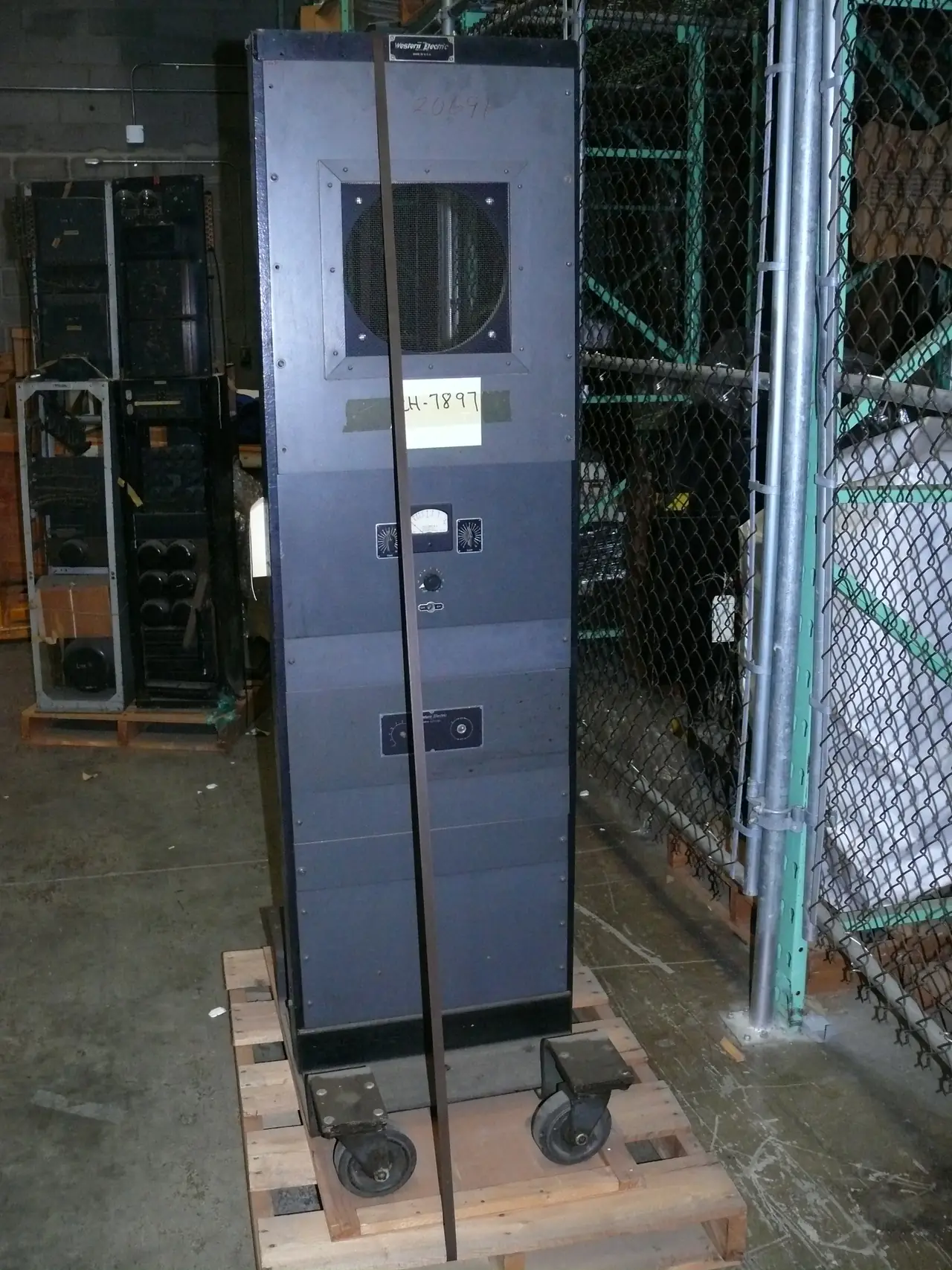
- 1939
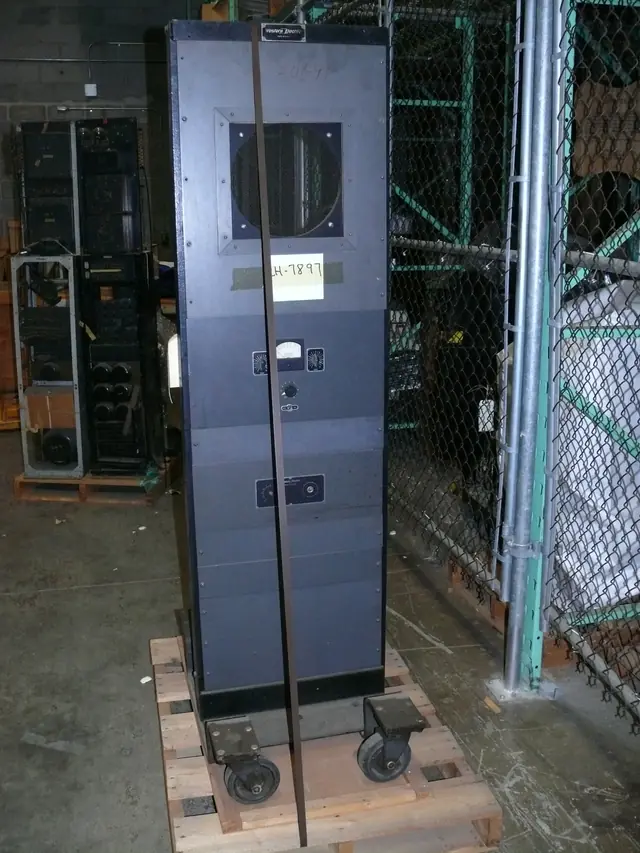
First version
Homer Dudley (Bell Labs, Voder); later John Kelly and Carol Lochbaum (Bell Labs), Texas Instruments, Dennis Klatt (MIT, DECtalk) and DeepMind (WaveNet)
Image: Photographer not credited; image copyright credited to AT&T / Bell Laboratories · Copyright AT&T / Bell Laboratories; sou… · Synthetic Sound Labs visit to the AT&T Archives… - 1961

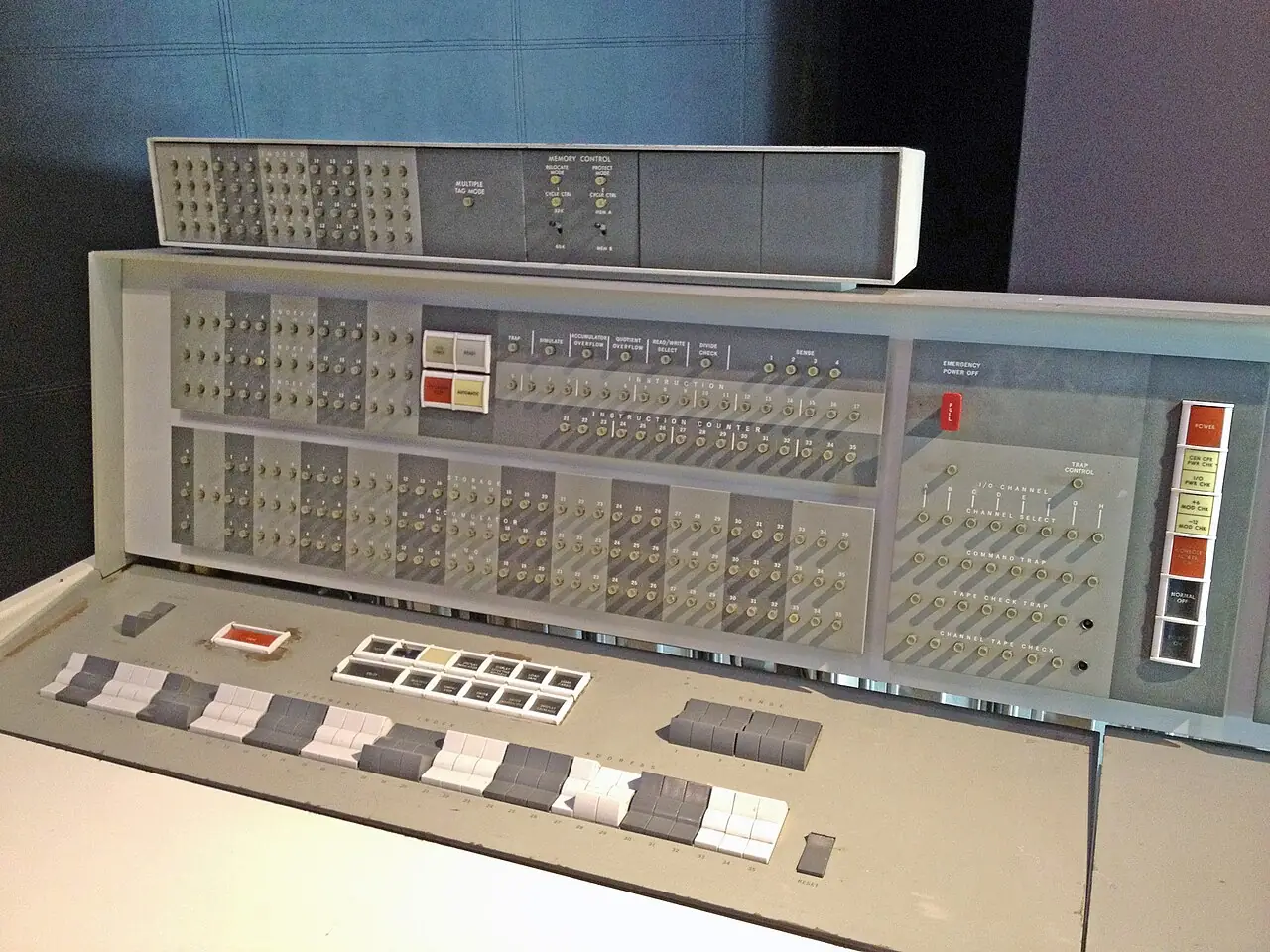
Computer-synthesised speech ('Daisy Bell')
Kelly and Lochbaum's vocal-tract model on an IBM computer at Bell Labs produces speech and song in software (dated 1961–62).
Image: ArnoldReinhold · CC BY-SA 3.0 · Wikimedia Commons - 1978
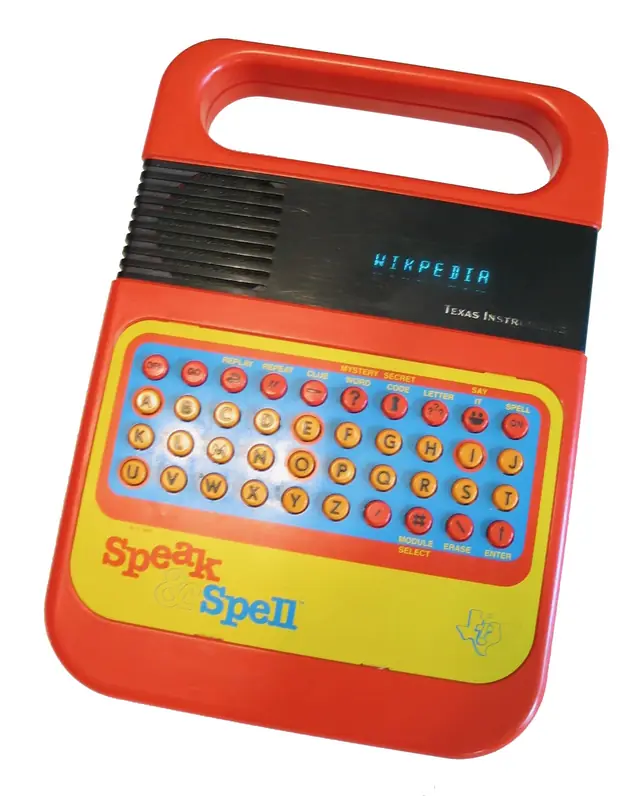
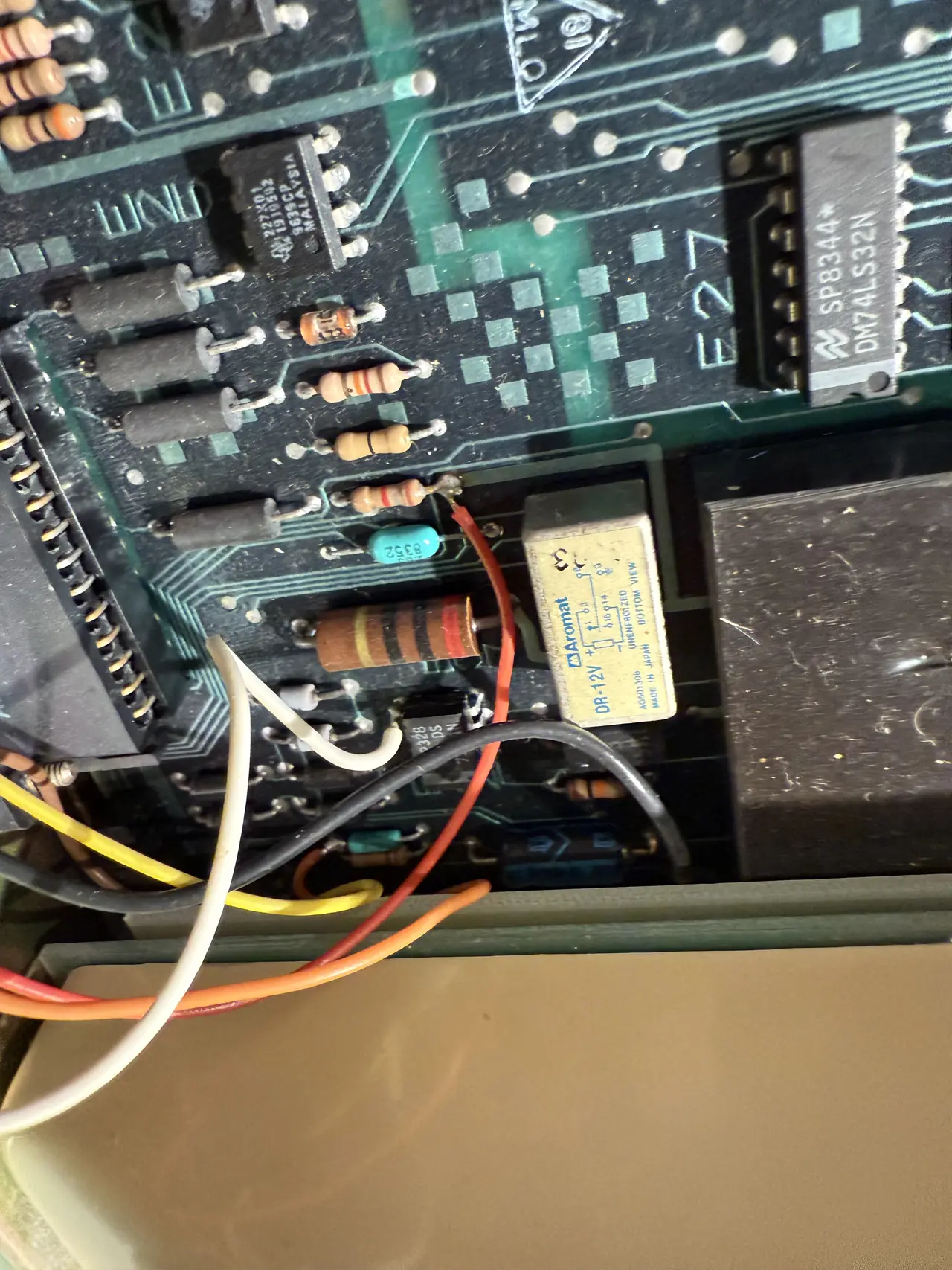
Speak & Spell (single-chip speech synthesis)
TI's linear-predictive-coding chip puts digital speech into a cheap consumer toy.
Image: FozzTexx · CC BY-SA 4.0 · Wikimedia Commons - 1984
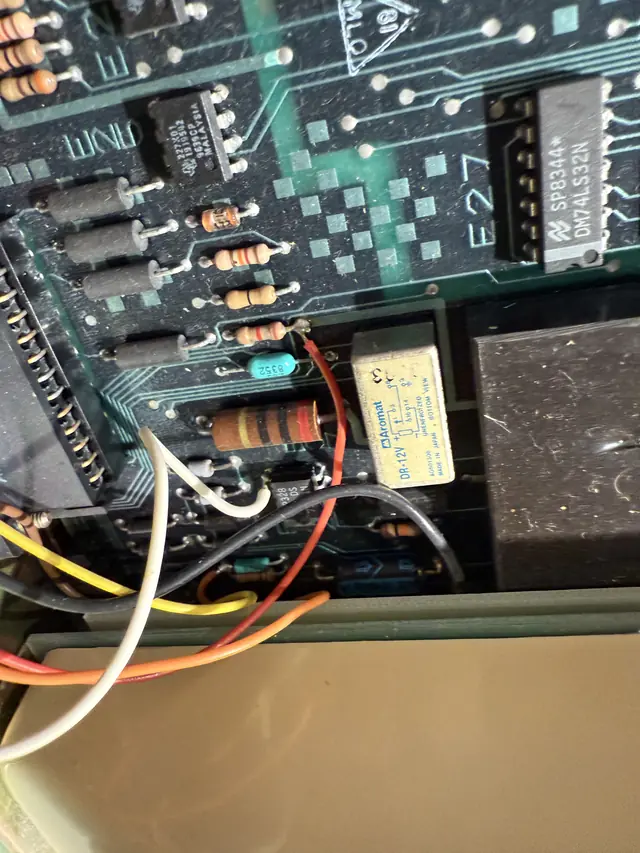
DECtalk text-to-speech
Rule-based synthesis reads any typed English text aloud in intelligible voices; built on Klatt's work, from which Stephen Hawking's voice also derived.
Image: DigitalRampage / Australian Computer Museum Society · Unclear; the Australian Computer Museum… · Australian Computer Museum Society Forum - 2016
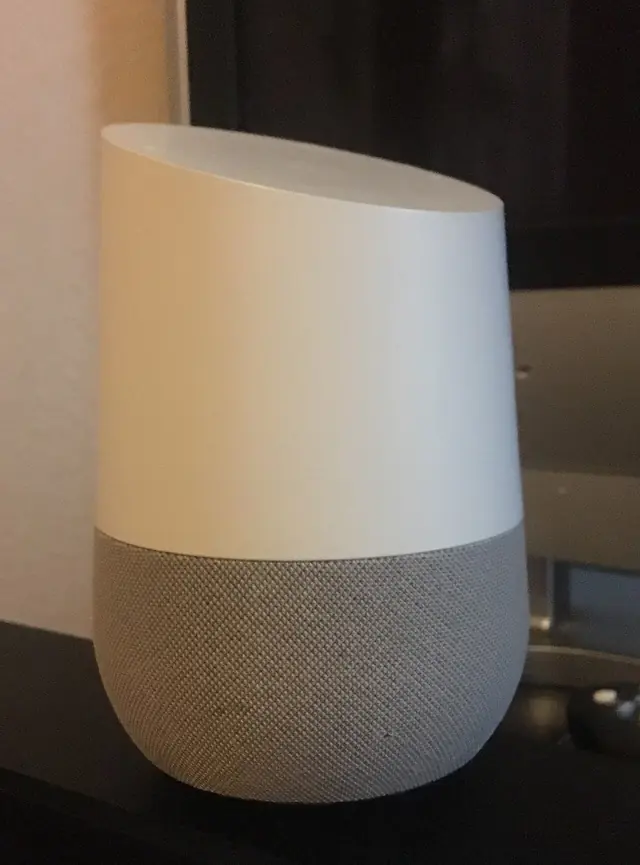
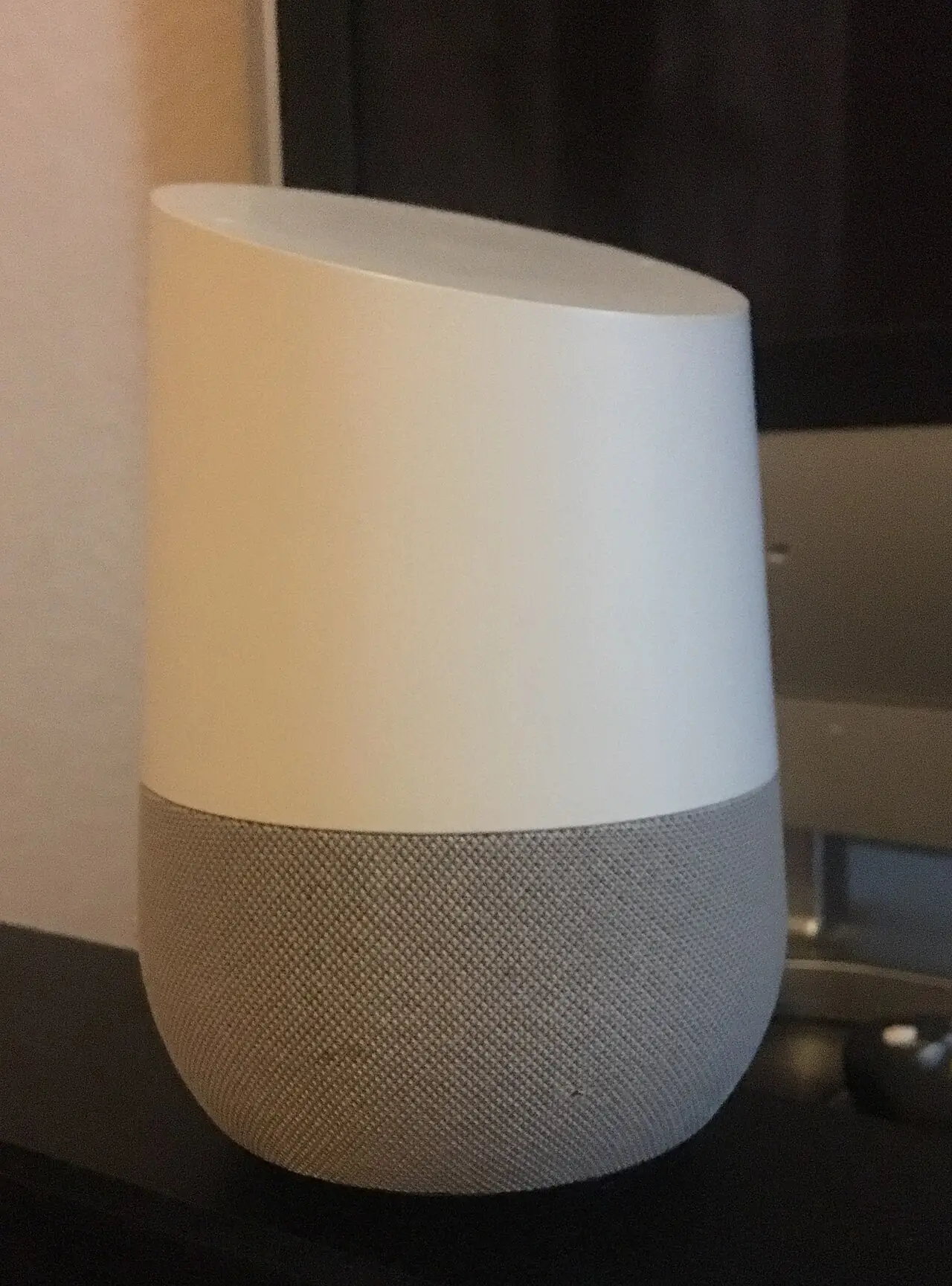
WaveNet neural speech
A deep neural network generates the raw audio waveform itself, closing much of the gap to human-sounding speech.
Image: MetricSupporter89 · CC BY-SA 4.0 · Wikimedia Commons