Computer viruses, worms and ransomware
Self-replicating and malicious code grew from lab curiosities into a global criminal industry, creating the cybersecurity field.
- 1971
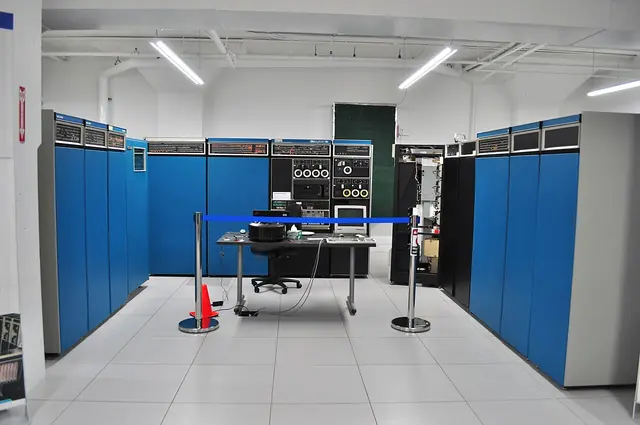
First version
Bob Thomas (BBN, Creeper); term 'computer virus' by Fred Cohen (1983)
Image: Joe Mabel · CC BY-SA 3.0 · Wikimedia Commons - 1982
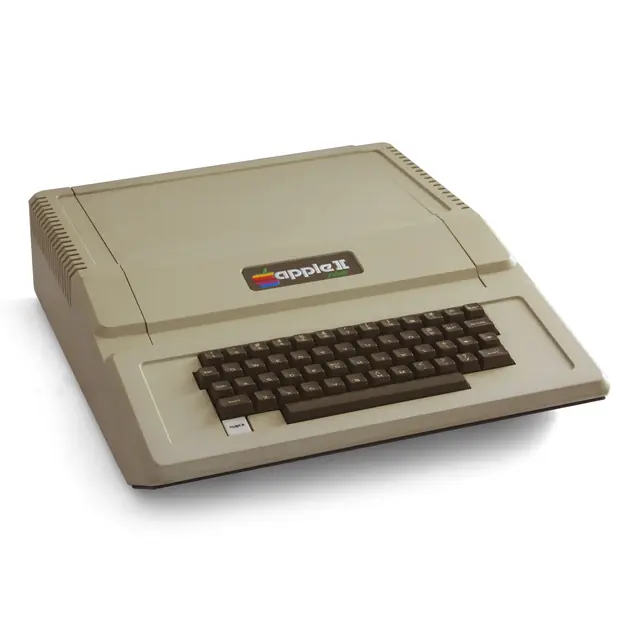
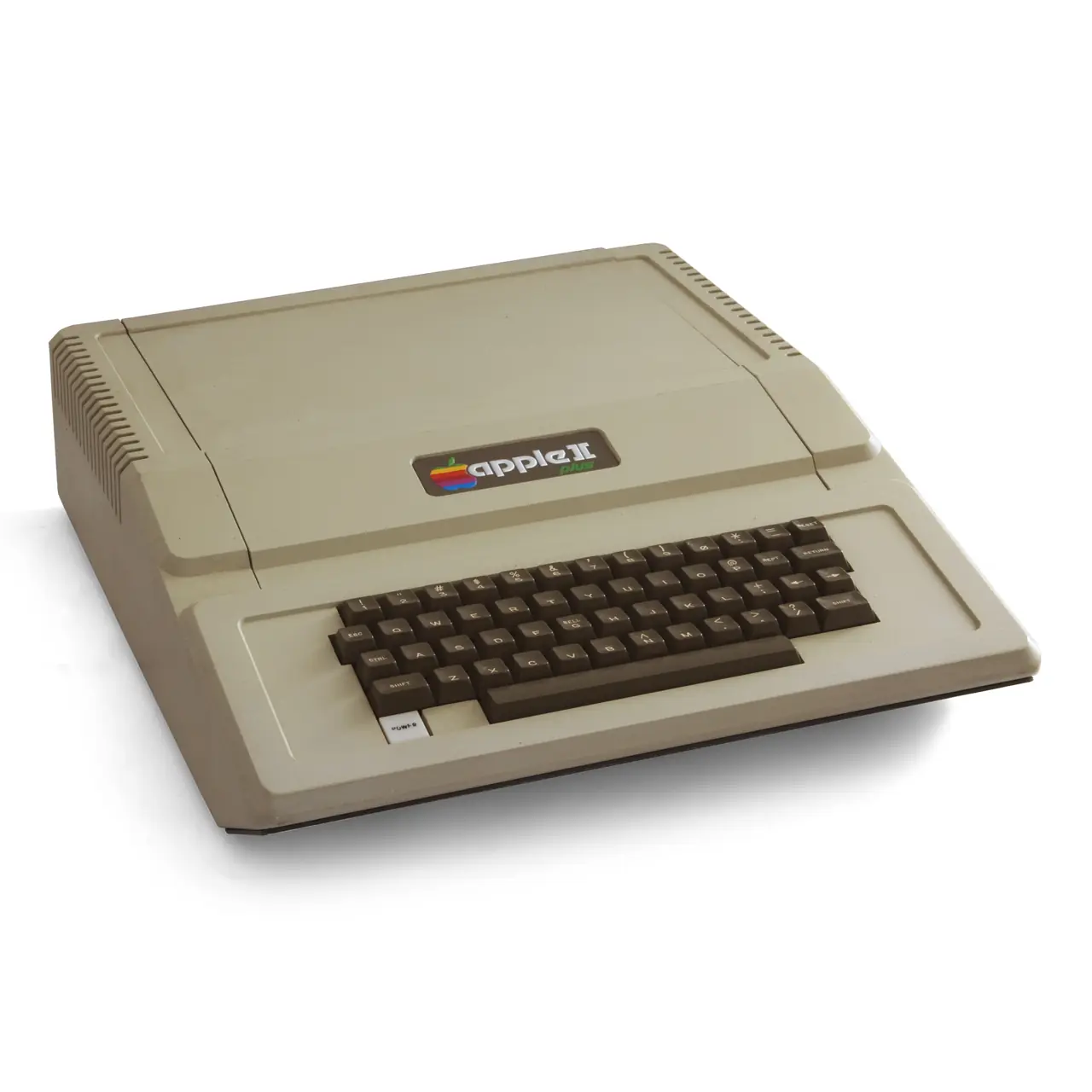
Elk Cloner
Apple II boot-sector virus spreads in the wild via floppy disks.
Image: Easterbilby (Flickr) · CC BY 2.0 · Flickr - 1988
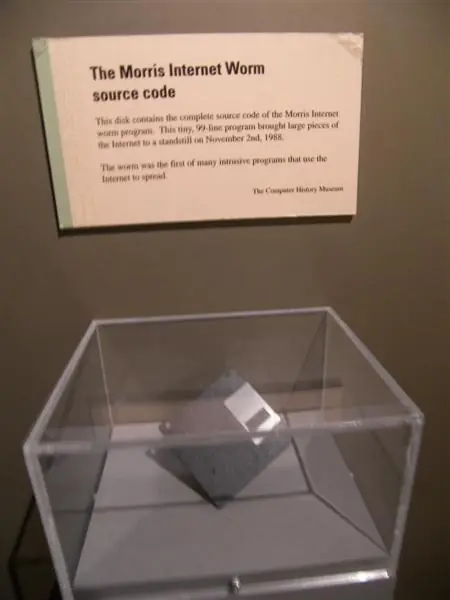
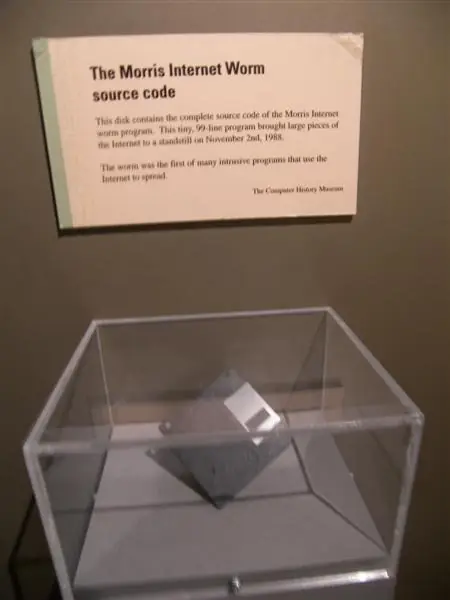
Morris worm
First worm to spread across the internet by itself, crippling thousands of machines.
Image: Go Card USA from Boston, USA · CC BY-SA 2.0 · Wikimedia Commons - 1989
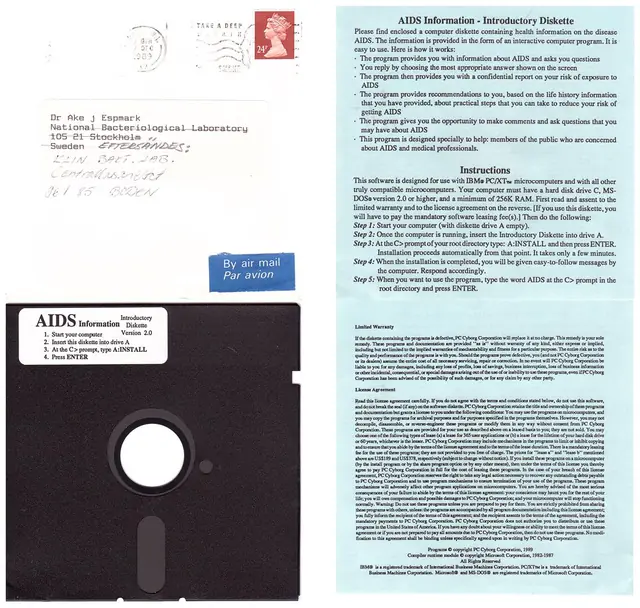
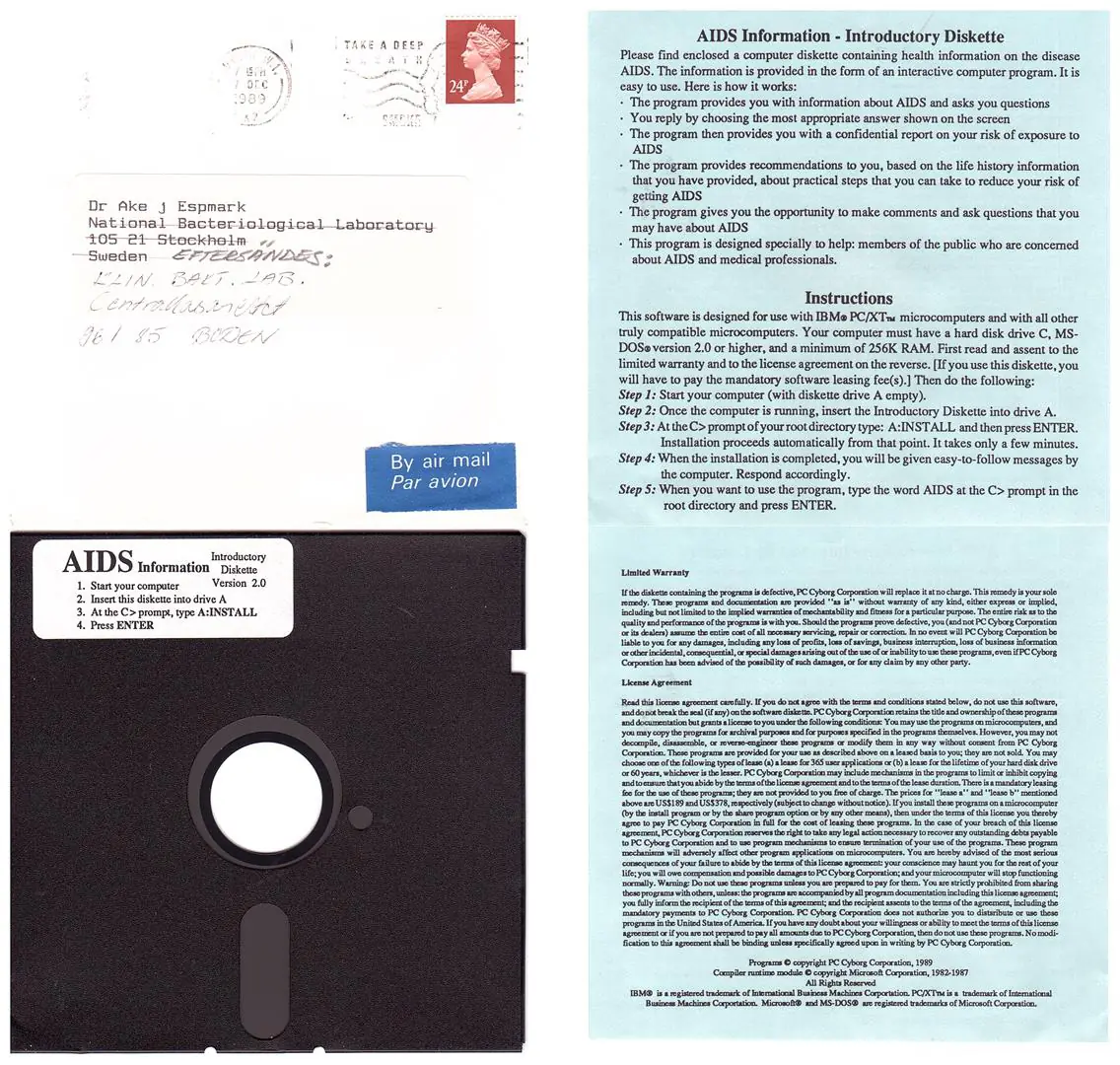
AIDS Trojan
First known ransomware encrypts filenames and demands payment by mail.
Image: Olle Gustavsson · CC BY-SA 4.0 · Wikimedia Commons - 2010
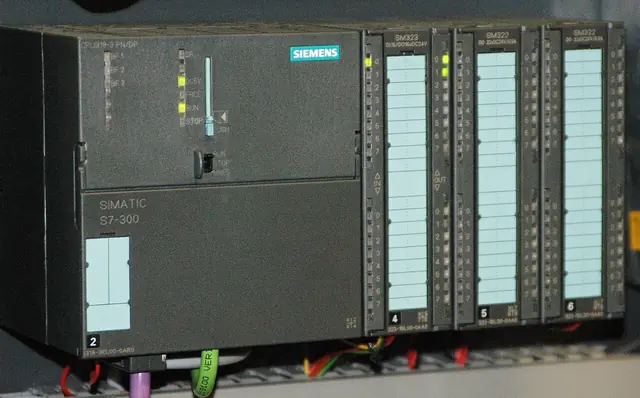
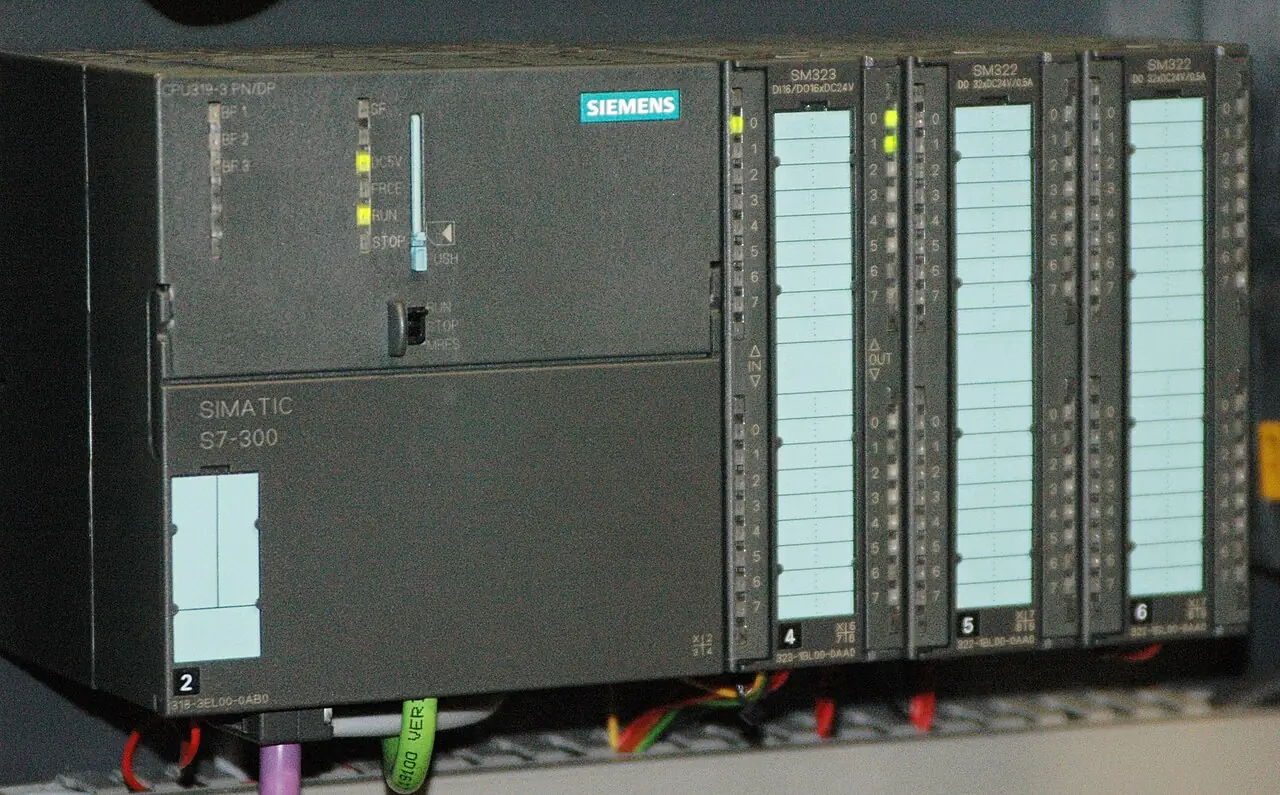
Stuxnet
First known cyberweapon: a worm that reprograms industrial controllers and wrecks Iranian uranium centrifuges.
Image: Ulli1105 · CC BY-SA 2.5 · Wikimedia Commons - 2013
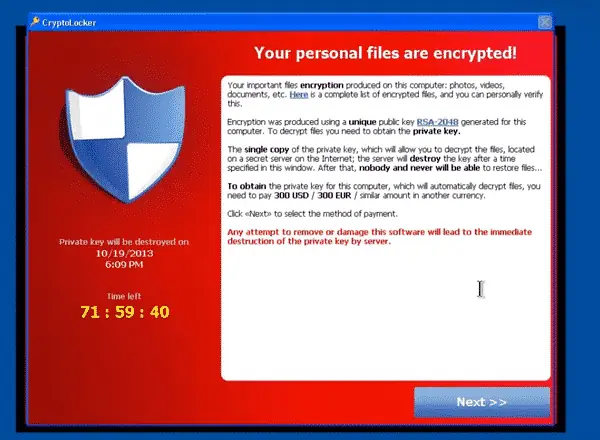
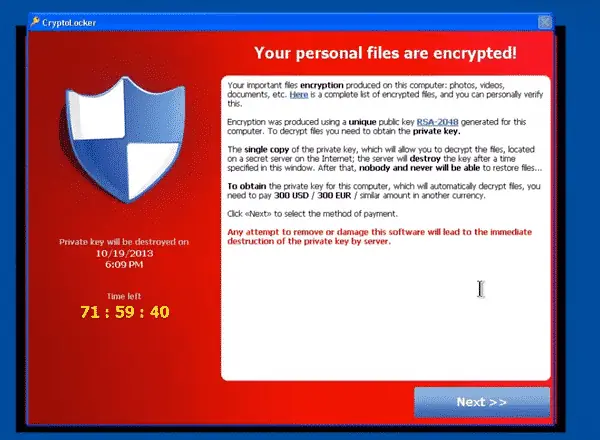
CryptoLocker
Unbreakable RSA file encryption plus Bitcoin ransoms; widely copied, it turns ransomware into a mass criminal business.
Image: CryptoLocker ransom window (2013), as published by Graham Cluley · Unclear; no licence stated (screenshot … · grahamcluley.com, 'CryptoLocker: What is it?' (… - 2017
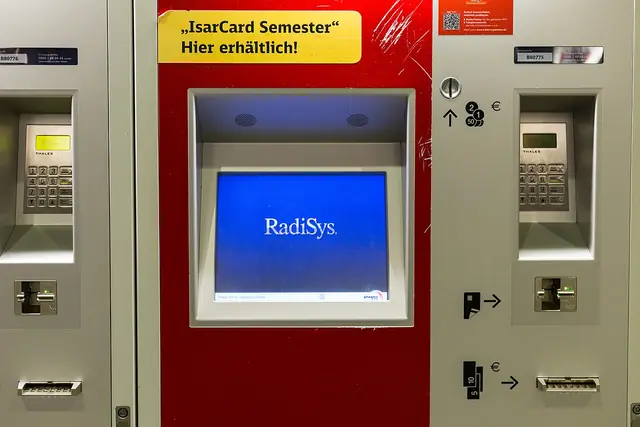
WannaCry and NotPetya
Worm-spread ransomware and wipers cause global, multi-billion-dollar disruption.
Image: User:Freddy2001 · CC BY-SA 3.0 · Wikimedia Commons
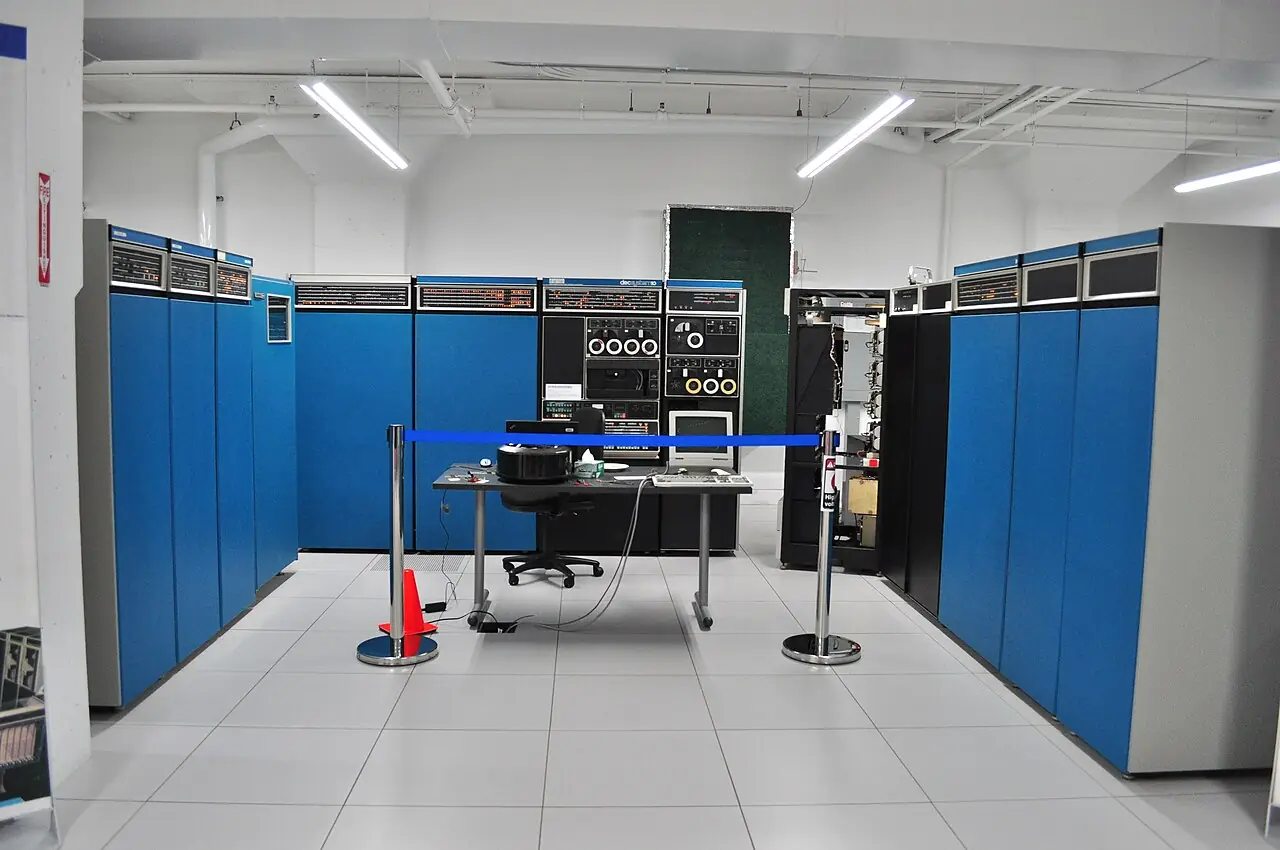


Contested: Creeper (1971) self-replicated but was harmless and not a true virus; Elk Cloner (1982) and Brain (1986) are also called 'first'.