Quantum computer
Computers using qubits and quantum effects to tackle certain problems beyond classical machines; still pre-fault-tolerant as of November 2026.
- 1998
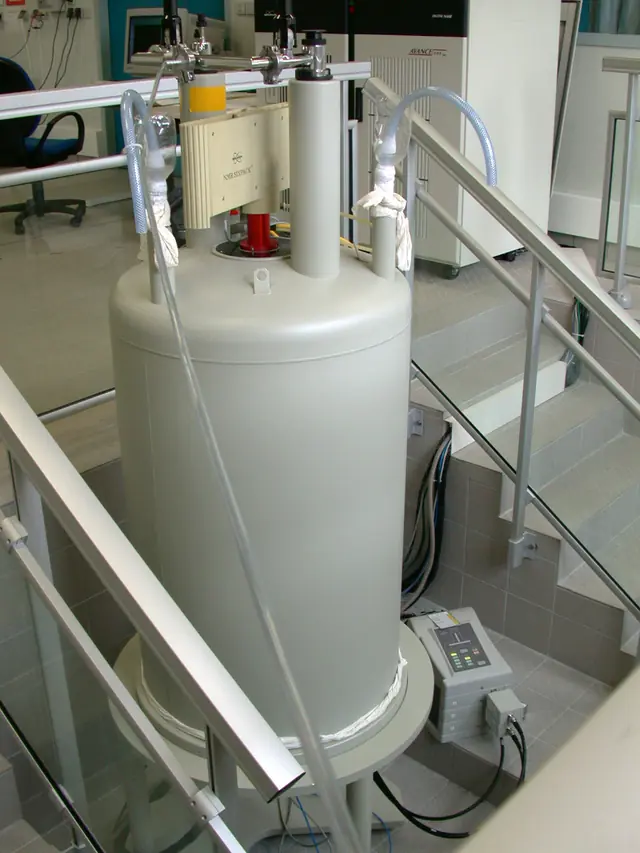
First version
Concept: Richard Feynman (1981); first demos: Oxford and IBM/Stanford groups; now Google, IBM, Quantinuum and others
Image: Mission PATSTEC / Université d'Angers (photo in heritage record fiche n° 1852) · © PATSTEC / Université d'Angers; no open licence stated · PATSTEC (Mission nationale de sauvegarde du patrimoine scientifique et technique contemporain), 'Spectromètre RMN Avance DRX 500', Université d'Angers - 1999

Superconducting qubit (NEC)
NEC's Nakamura, Pashkin and Tsai coherently control a qubit in a superconducting circuit made with chip lithography, the solid-state approach later scaled by IBM and Google.
Image: NEC Corporation · Public domain · Wikimedia Commons - 2011
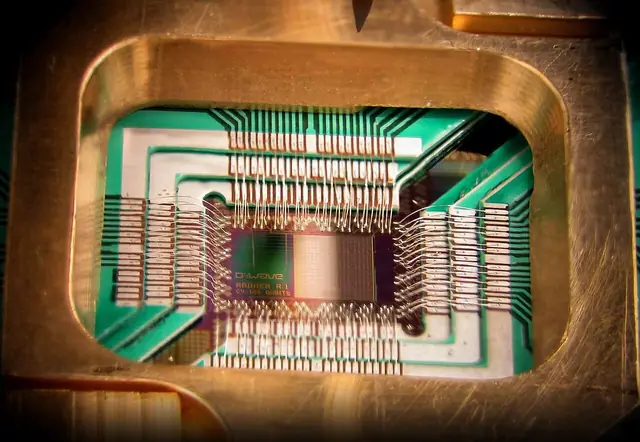
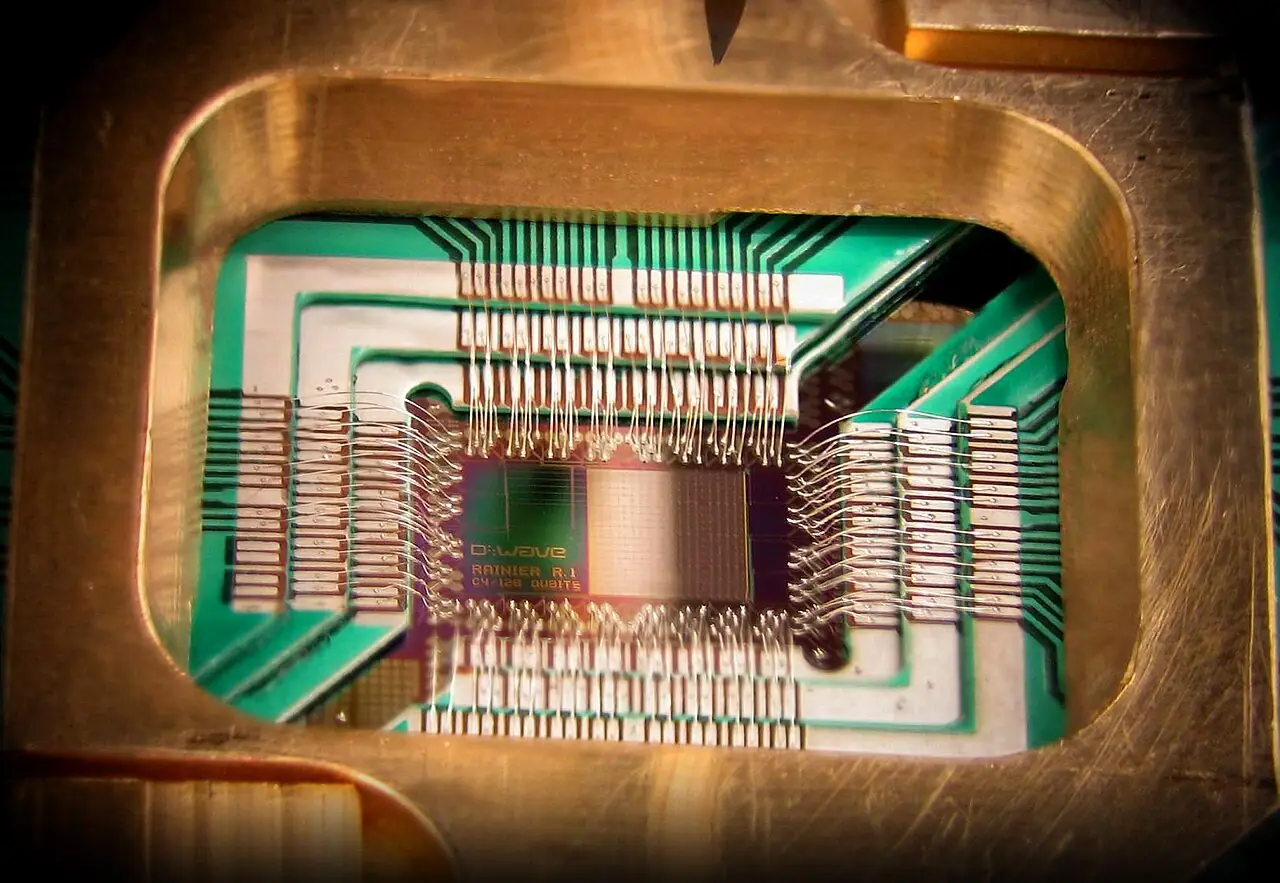
D-Wave One
First commercially sold quantum machine: a 128-qubit annealer for optimisation, not a general-purpose computer.
Image: D-Wave Systems, Inc. · CC BY 3.0 · Wikimedia Commons - 2016

IBM Quantum Experience
A 5-qubit processor opens to anyone over the cloud, turning quantum hardware into an online service.
Image: IBM · Public domain · Wikimedia Commons - 2019
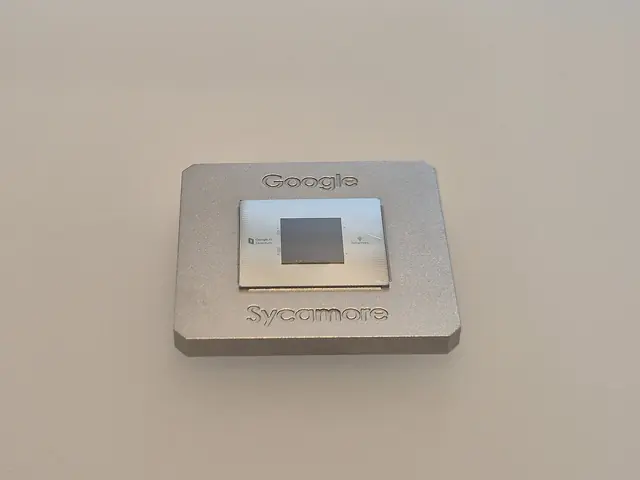
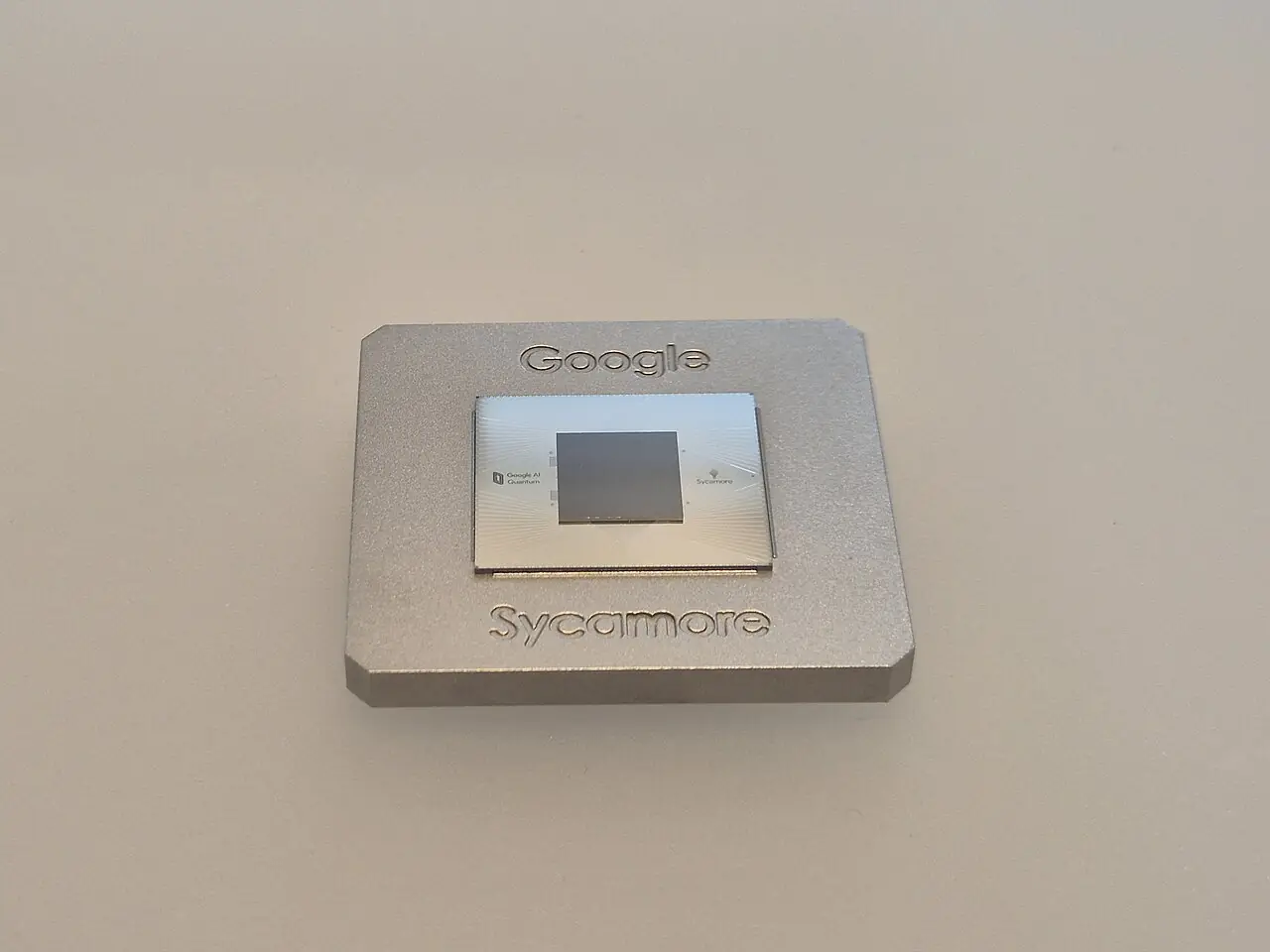
Google Sycamore
53-qubit chip claims quantum supremacy on a sampling task; IBM disputes the estimate.
Image: Coldupnorth · CC BY-SA 4.0 · Wikimedia Commons - 2023
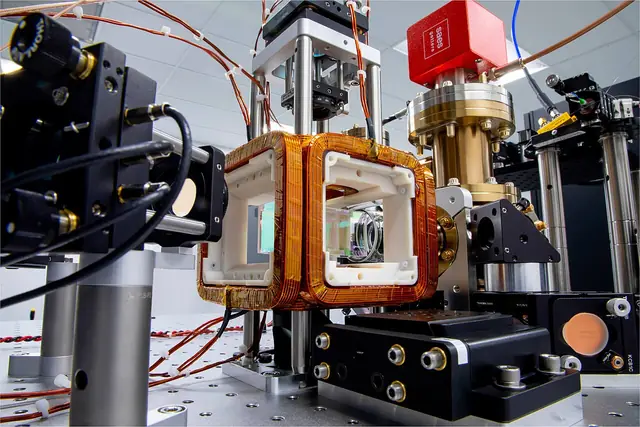
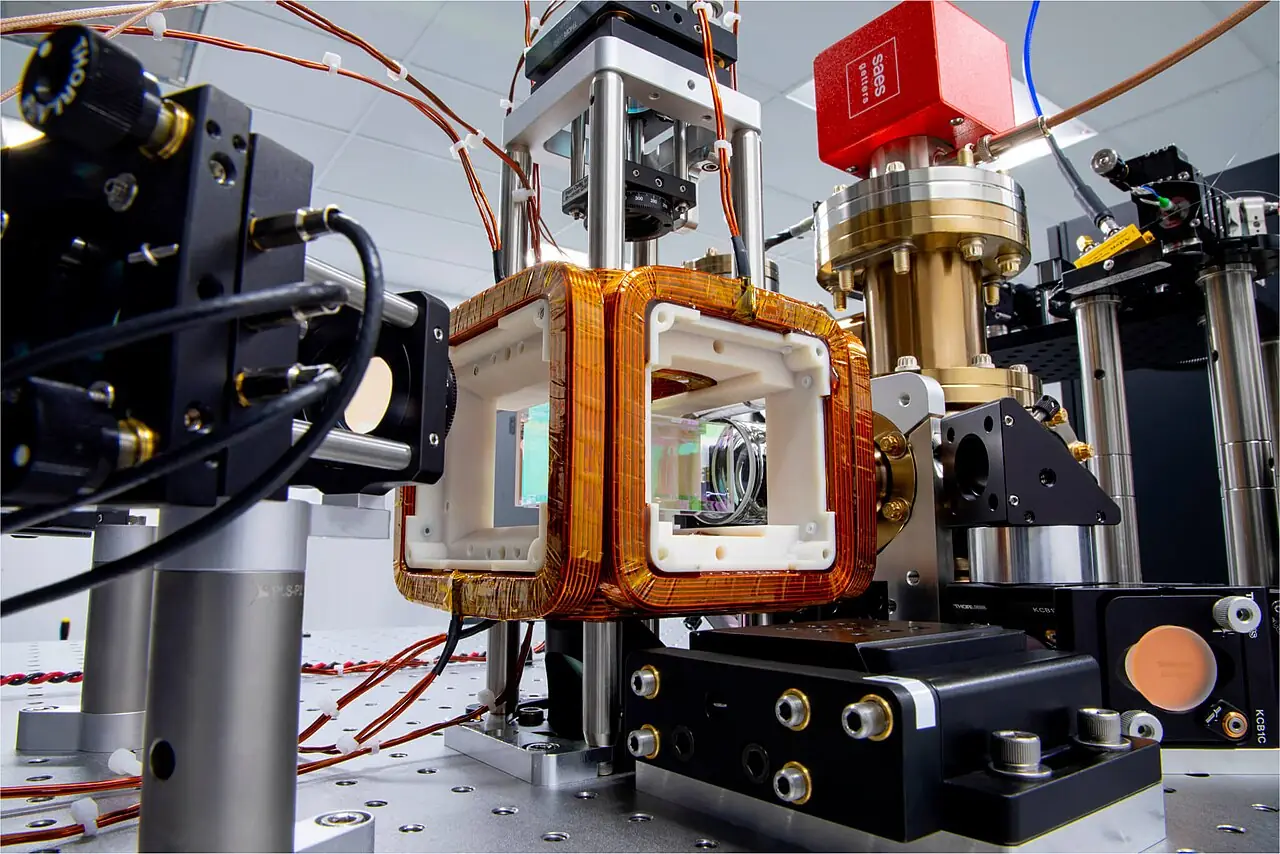
Logical quantum processor (Harvard–QuEra)
Neutral-atom array runs algorithms on up to 48 logical qubits, up from one to three before.
Image: QuEra Computing, Inc. · CC BY 4.0 · Wikimedia Commons - 2024
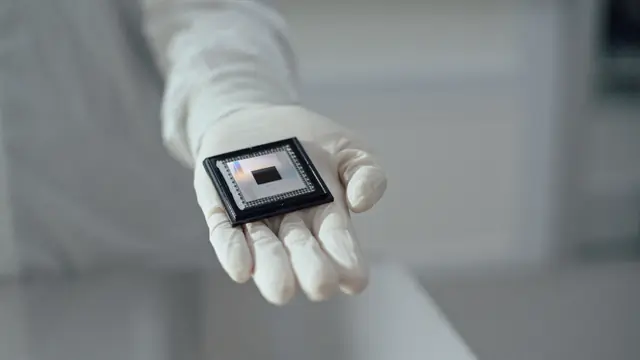
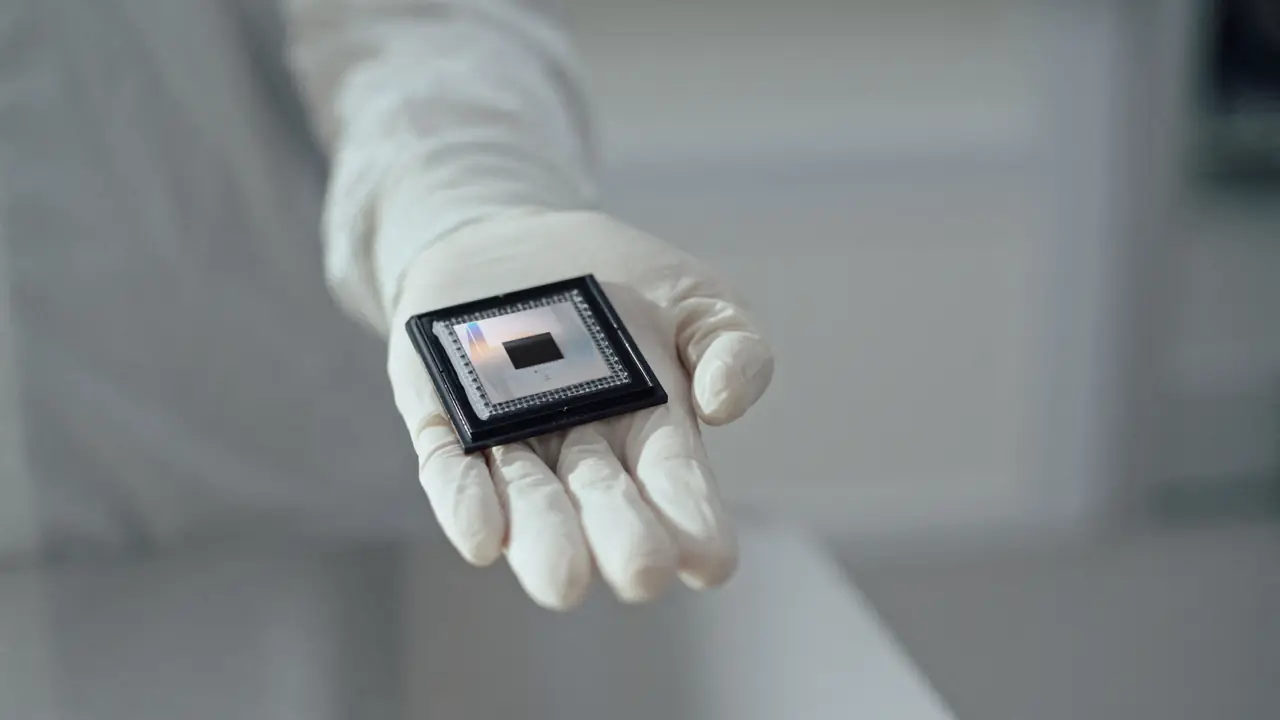
Google Willow
105-qubit chip shows below-threshold error correction: logical errors fall as code size grows.
Image: Google Quantum AI; photographer unidentified · © Google LLC; official handout distribu… · Google handout via Reuters, published by NPR/KG…
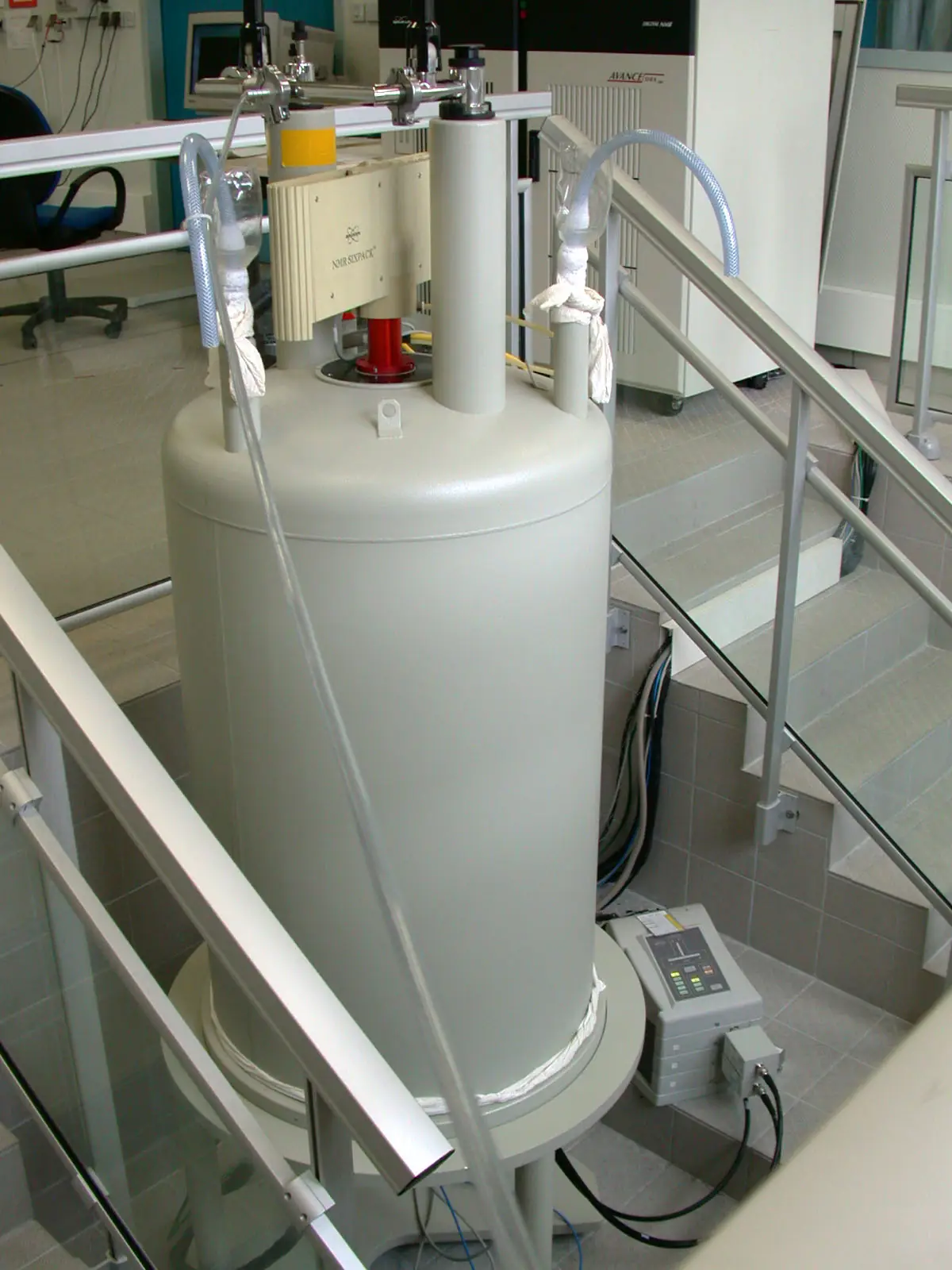




Contested: First 1998 NMR demo credited to Oxford (Jones, Mosca) or IBM/Stanford (Chuang); 'quantum advantage' claims are routinely challenged.