Ethernet
Wired local-area networking standard that became the universal LAN and data-centre link, scaling from 3 Mb/s to terabit speeds.
- 1973
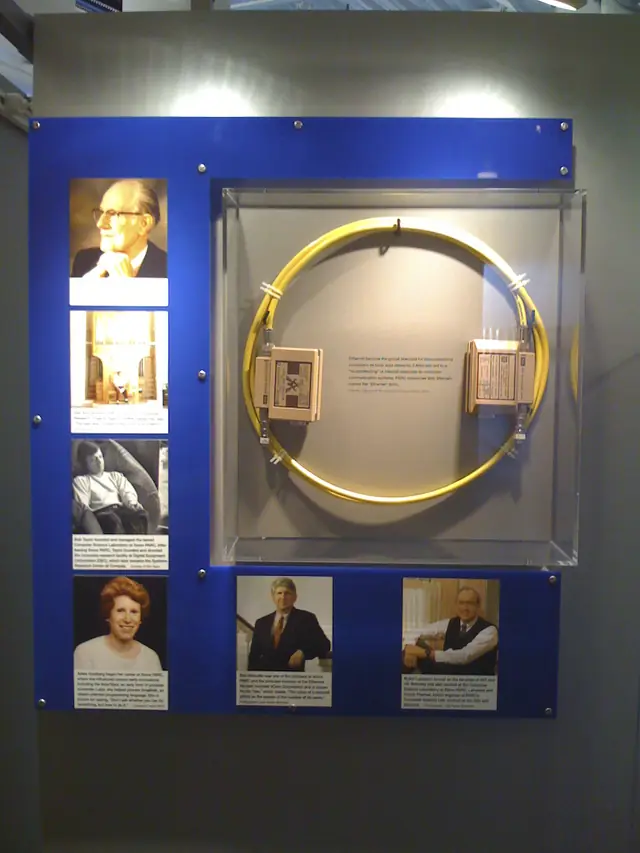
First version
Bob Metcalfe and David Boggs (Xerox PARC); standardized by DEC-Intel-Xerox and IEEE 802.3
Image: Saschapohflepp · CC BY 2.0 · Wikimedia Commons - 1983
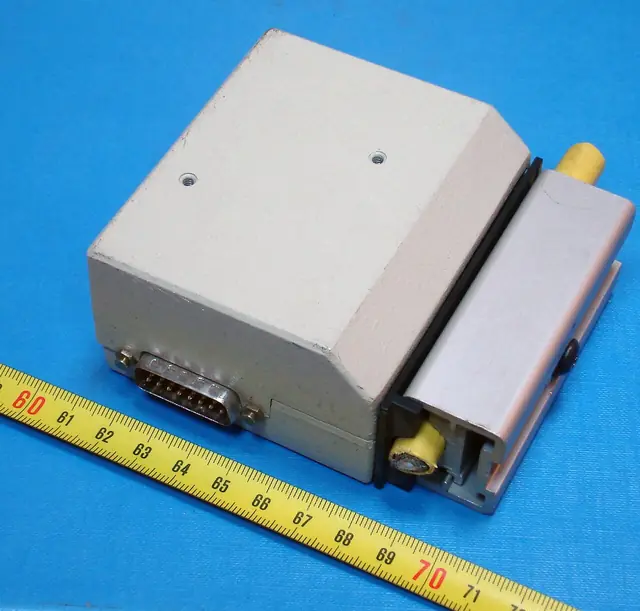
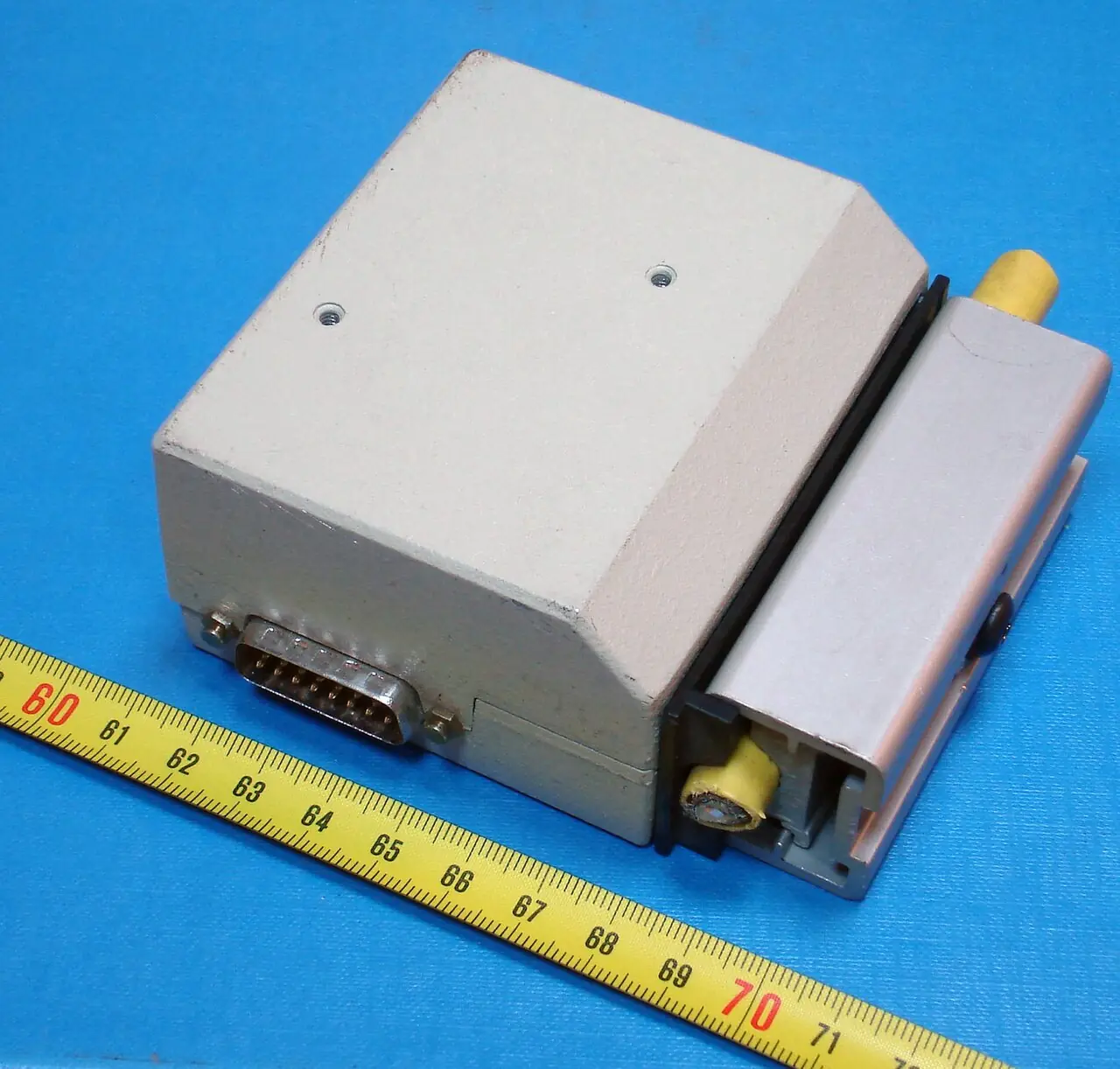
IEEE 802.3 10BASE5 (10 Mb/s)
Standardized from the 1980 DEC-Intel-Xerox spec; commercial LANs spread.
Image: No machine-readable author provided. Alistair1978 assumed (based on copyright c… · CC BY-SA 2.5 · Wikimedia Commons - 1990
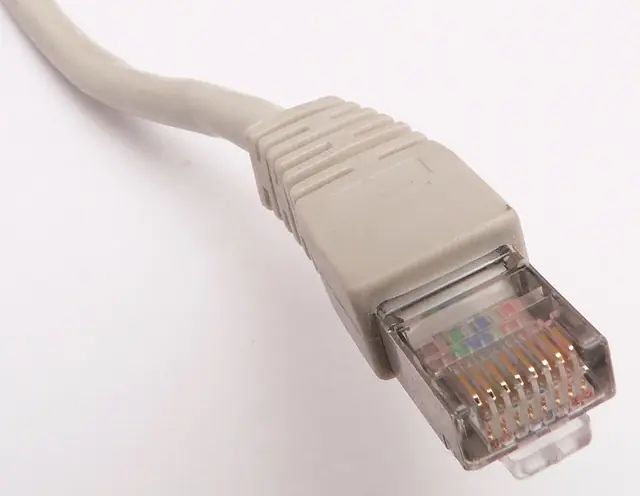
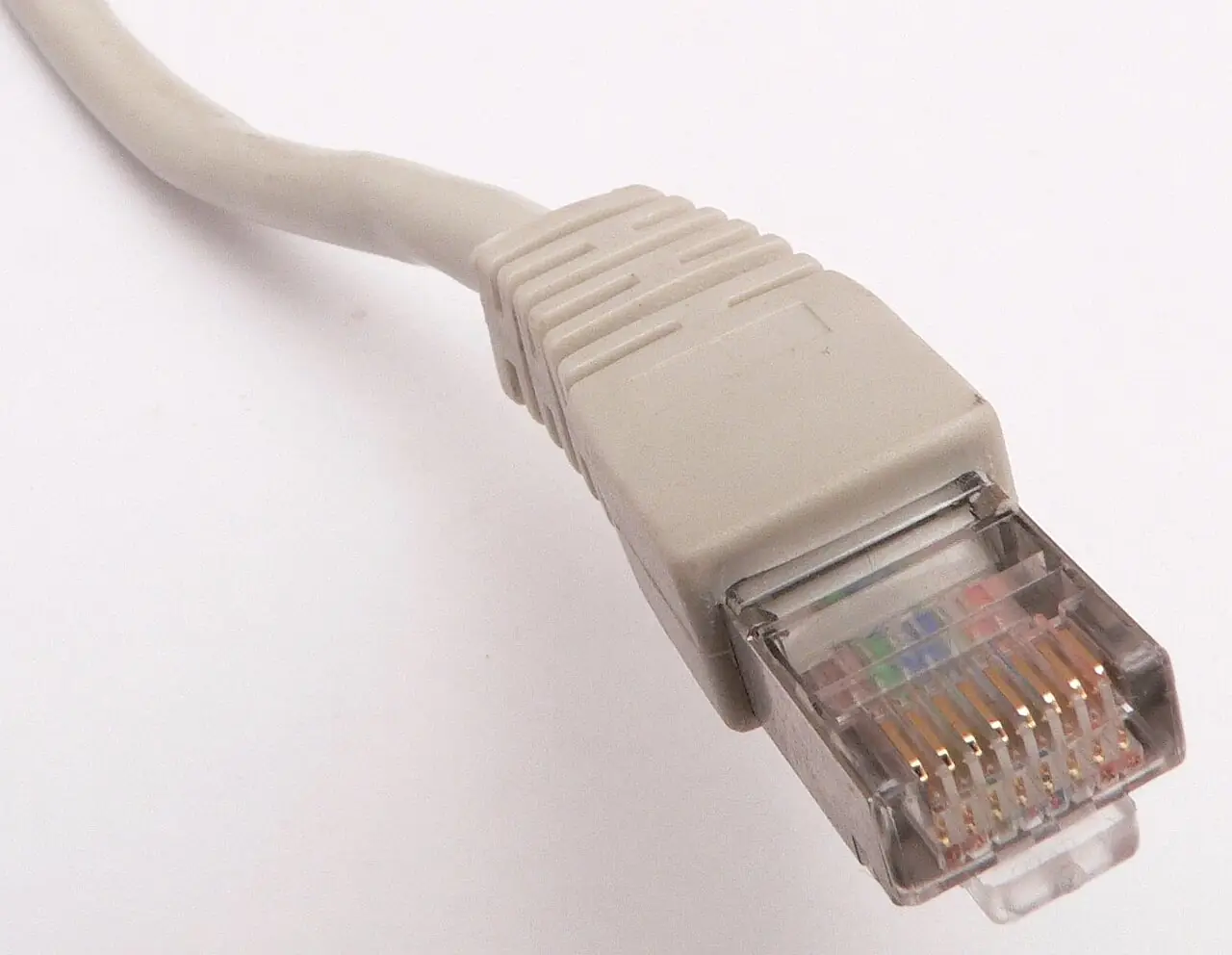
10BASE-T (802.3i)
Ethernet moves from shared coaxial cable to cheap twisted-pair wiring in a star around hubs.
Image: No machine-readable author provided. David.Monniaux assumed (based on copyright… · CC BY-SA 3.0 · Wikimedia Commons - 1995
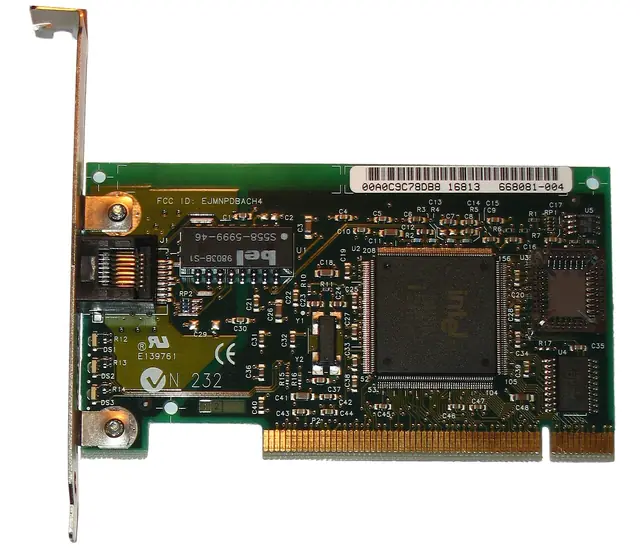
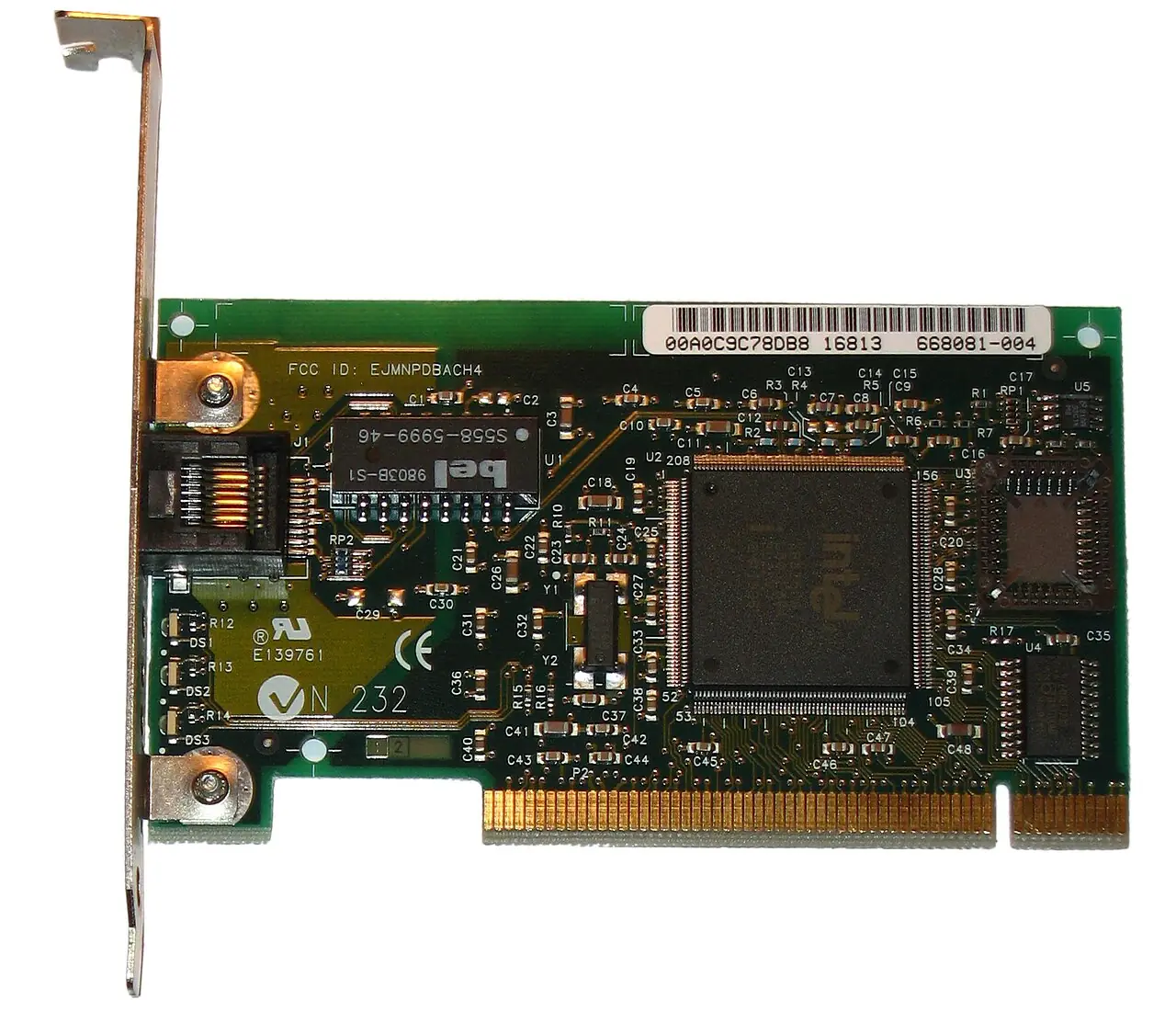
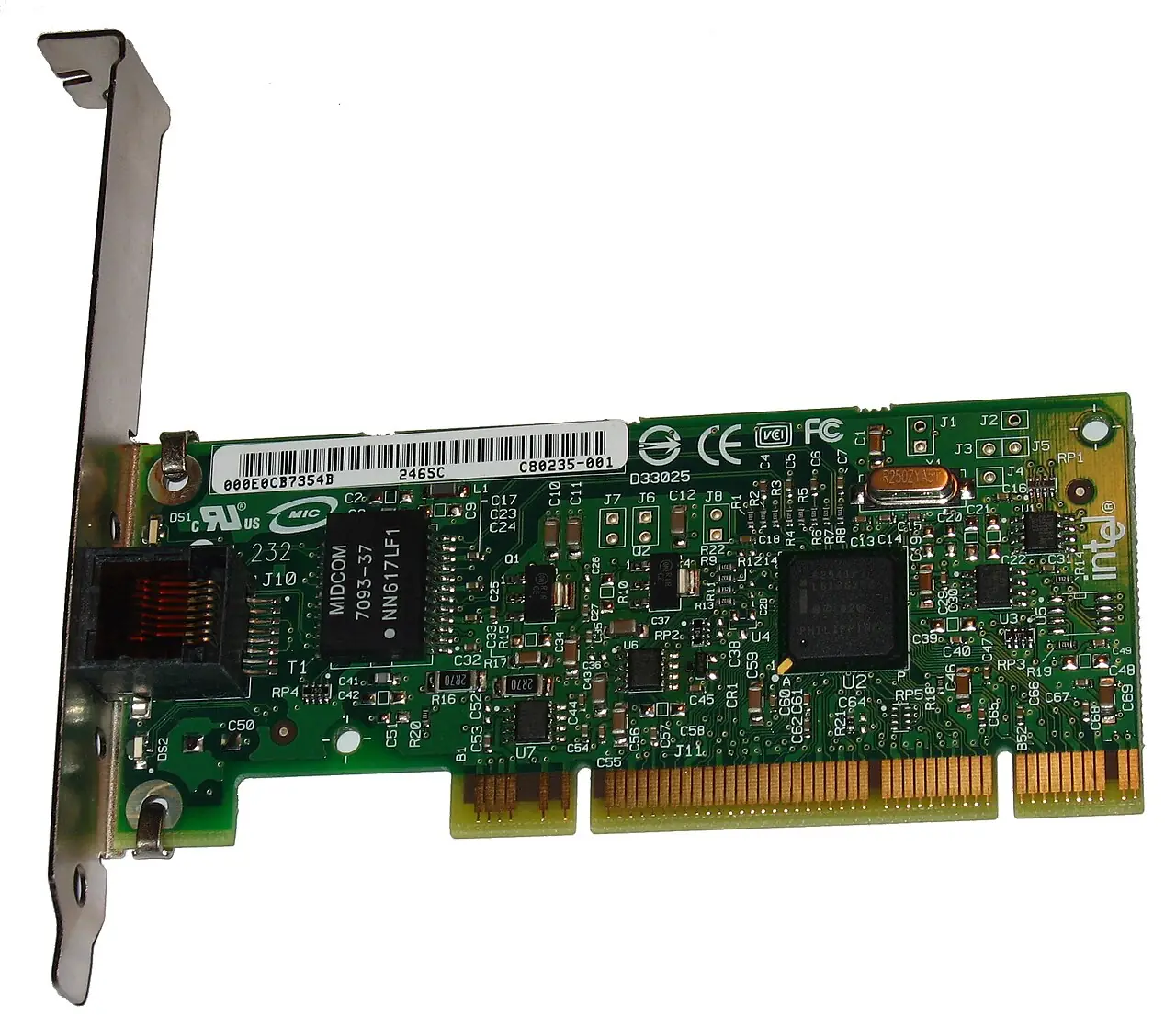
Fast Ethernet (802.3u)
100 Mb/s over twisted pair; switches start replacing shared hubs with dedicated, full-duplex links.
Image: ktims (talk) · Public domain · Wikimedia Commons - 1998
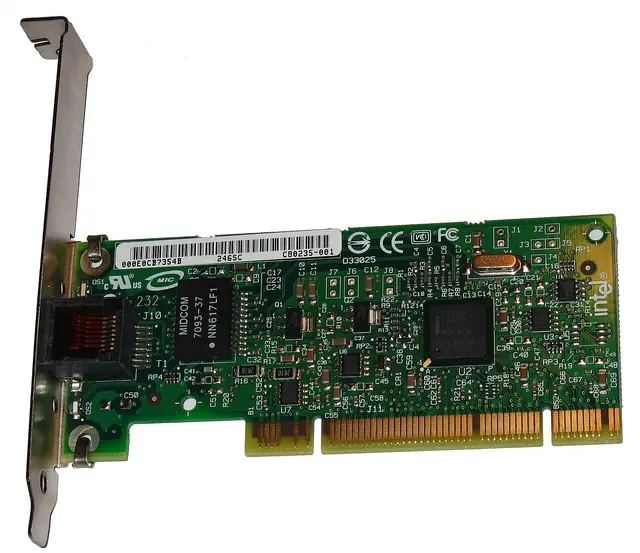
Gigabit Ethernet (802.3z)
Ten times faster at 1 Gb/s, over fibre and, from 1999, ordinary copper cabling.
Image: ktims (talk) · Public domain · Wikimedia Commons - 2002
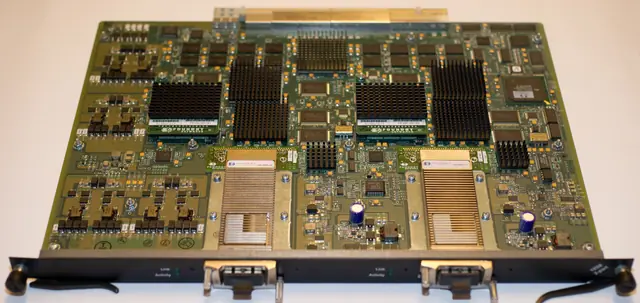
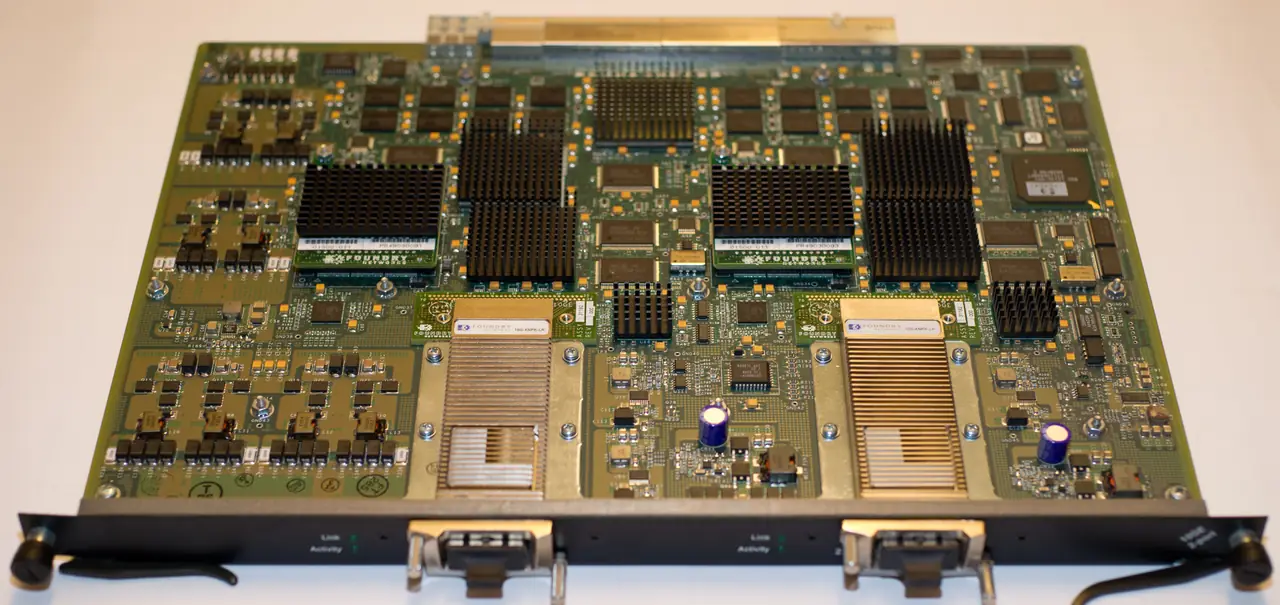
10 Gigabit Ethernet (802.3ae)
Ten times Gigabit speed over fibre, full-duplex only; Ethernet moves beyond the LAN into server uplinks, metro and carrier links.
Image: jackthegag (Flickr) · CC BY-SA 2.0 · Flickr - 2010
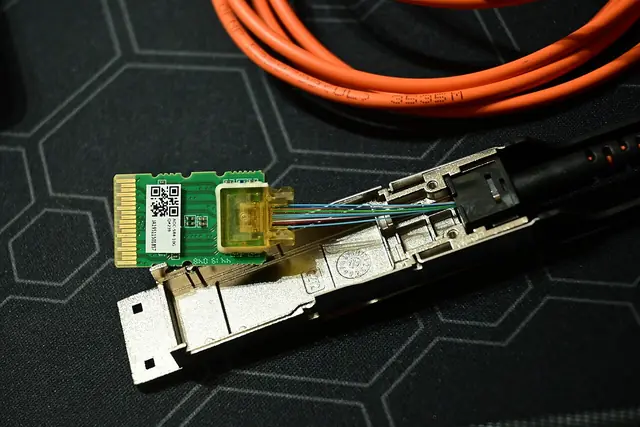
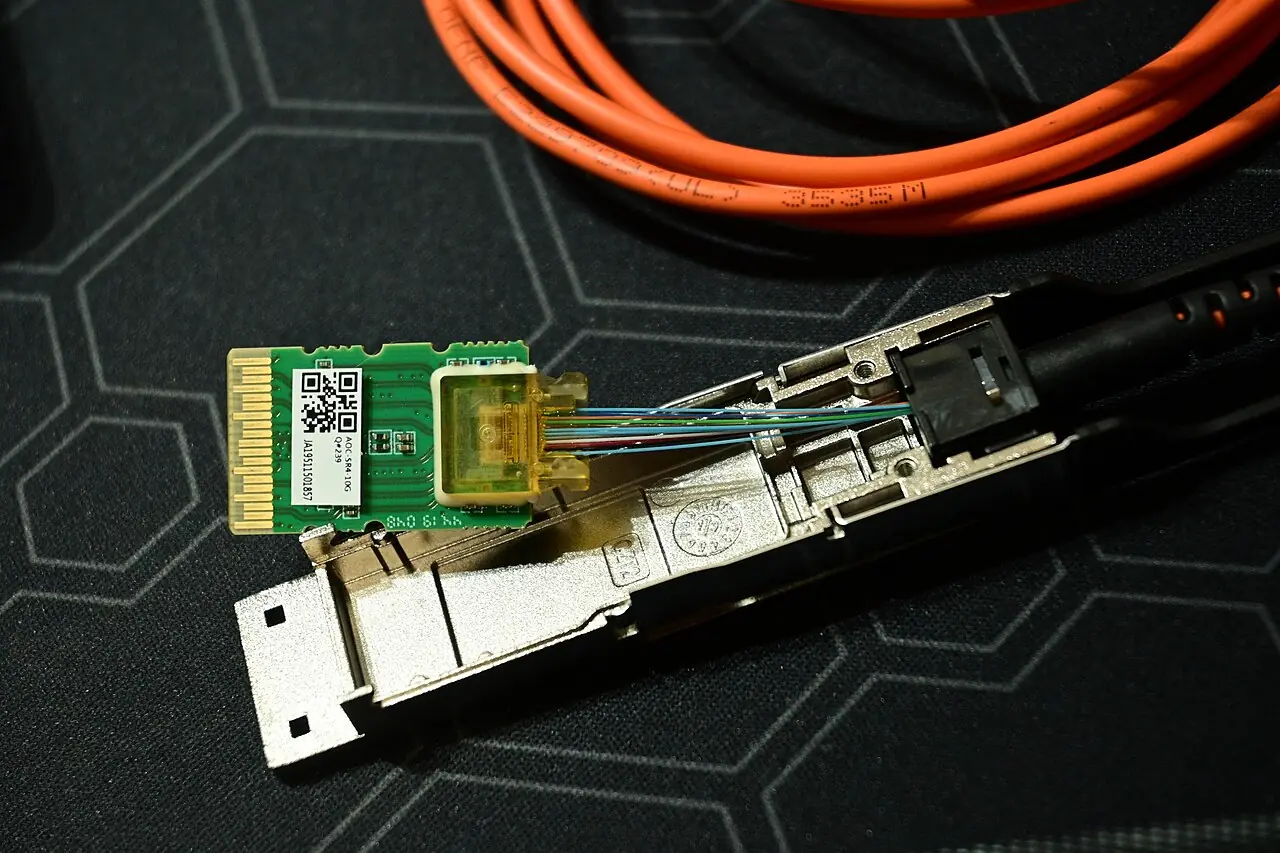
40/100 Gigabit Ethernet (802.3ba)
Data-centre and backbone speeds over multiple parallel lanes.
Image: Dragon Sully · CC0 · Wikimedia Commons - 2024
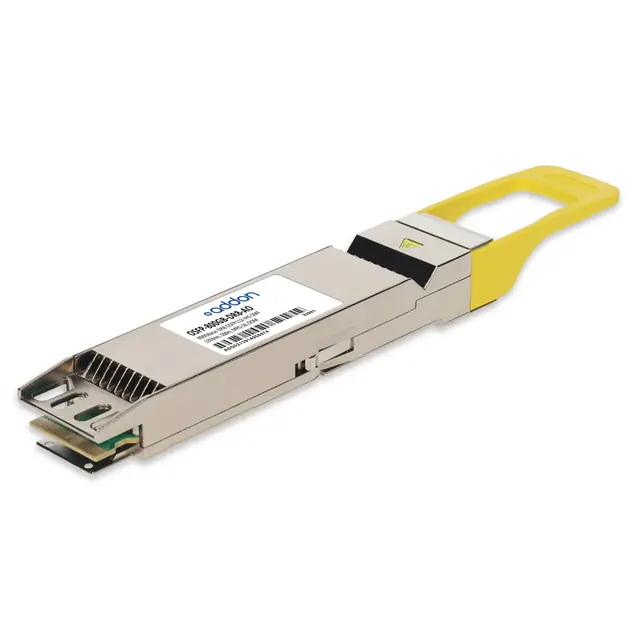
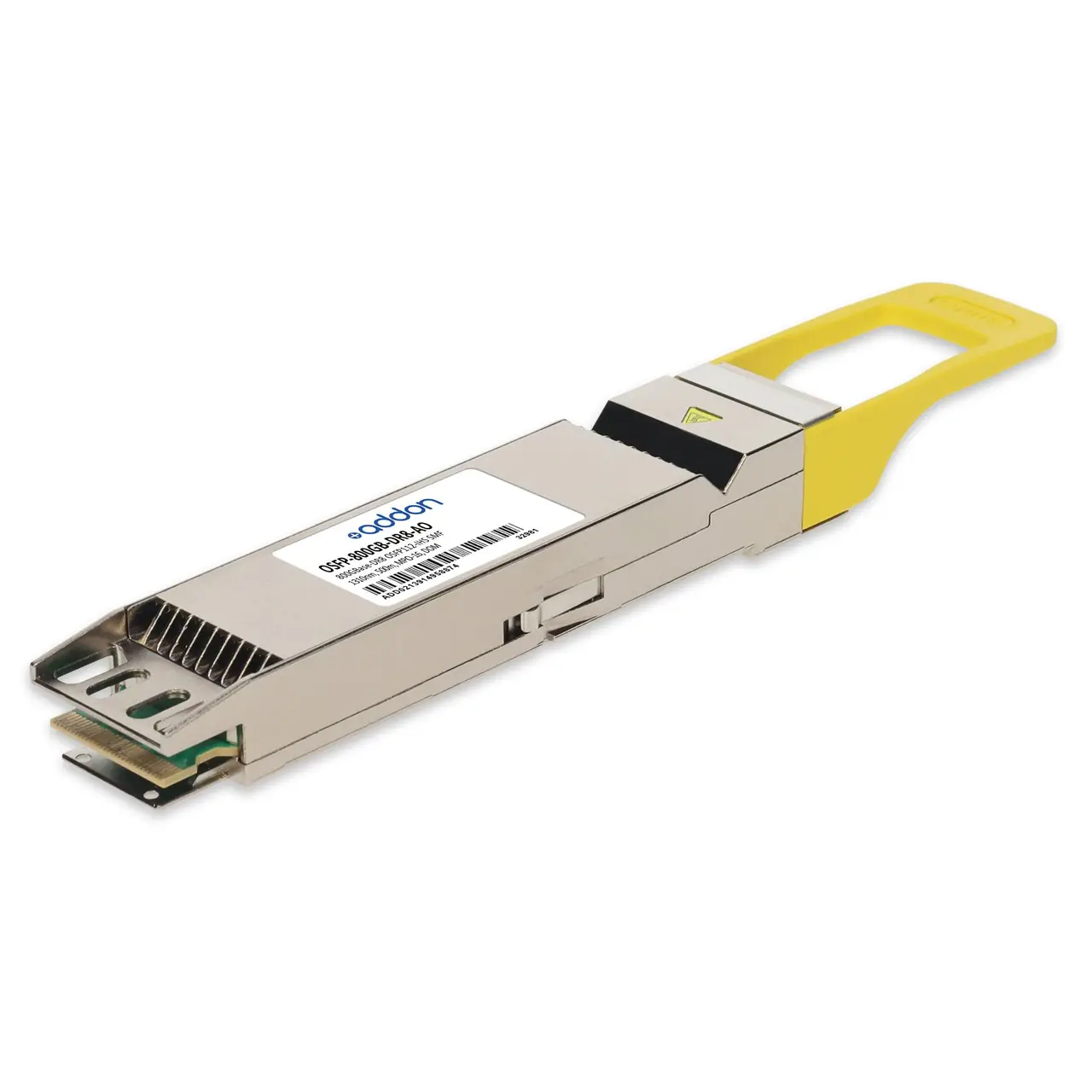
800 Gigabit Ethernet (802.3df)
Approved February 2024; eight 100 Gb/s lanes for AI and cloud data centres.
Image: AddOn Networks (product photo) · © AddOn Networks; no licence stated · AddOn Networks
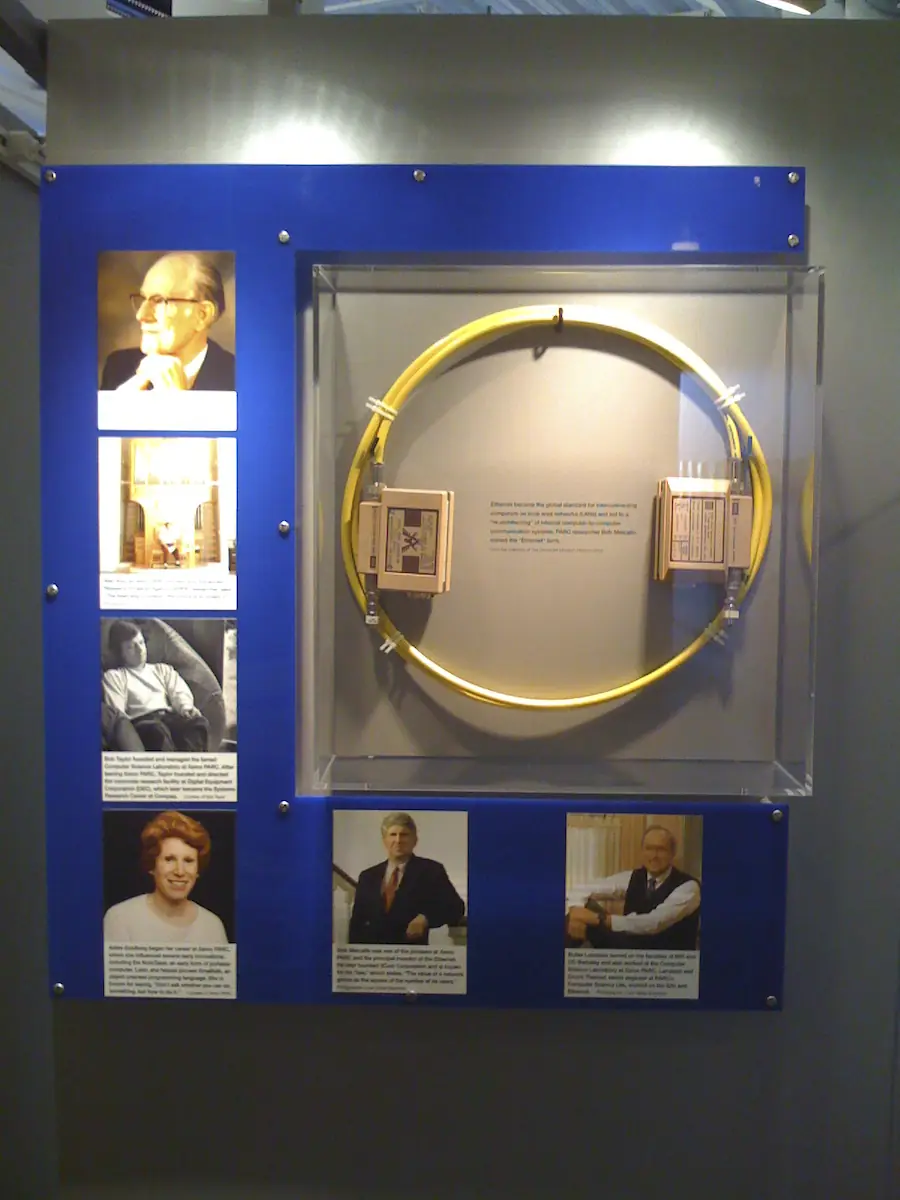


Contested: Metcalfe usually gets sole credit, but the Ethernet patent also names David Boggs, Chuck Thacker and Butler Lampson.