Modems and broadband access
Devices and access networks carrying data over phone, cable and fibre lines into homes; took the internet from dial-up to gigabit fibre.
- 1958
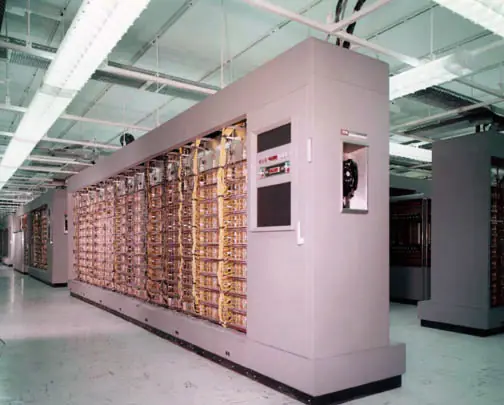
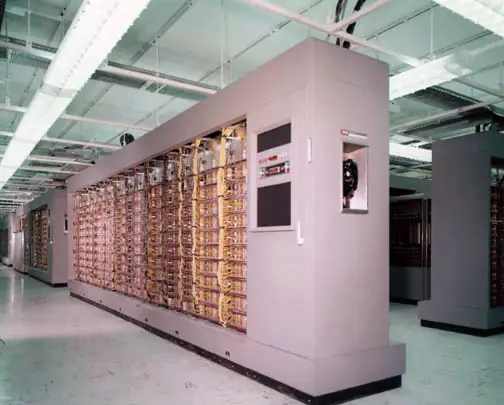
First version
AT&T / Bell Labs (Bell 101 modem for SAGE); later Hayes, Bellcore, CableLabs, ITU
Image: United States Air Force · Public domain · Wikimedia Commons - 1962
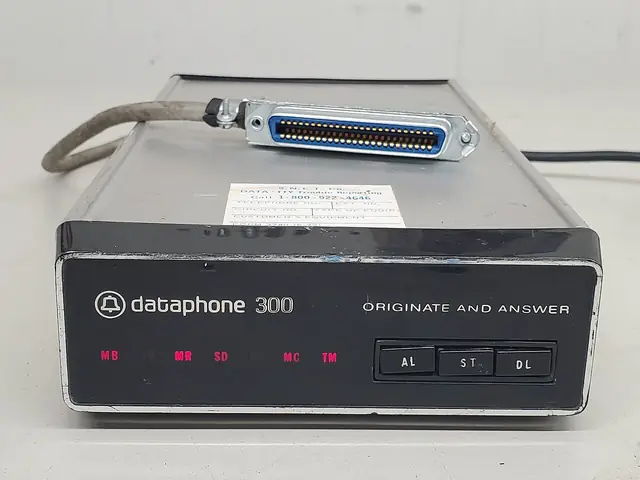
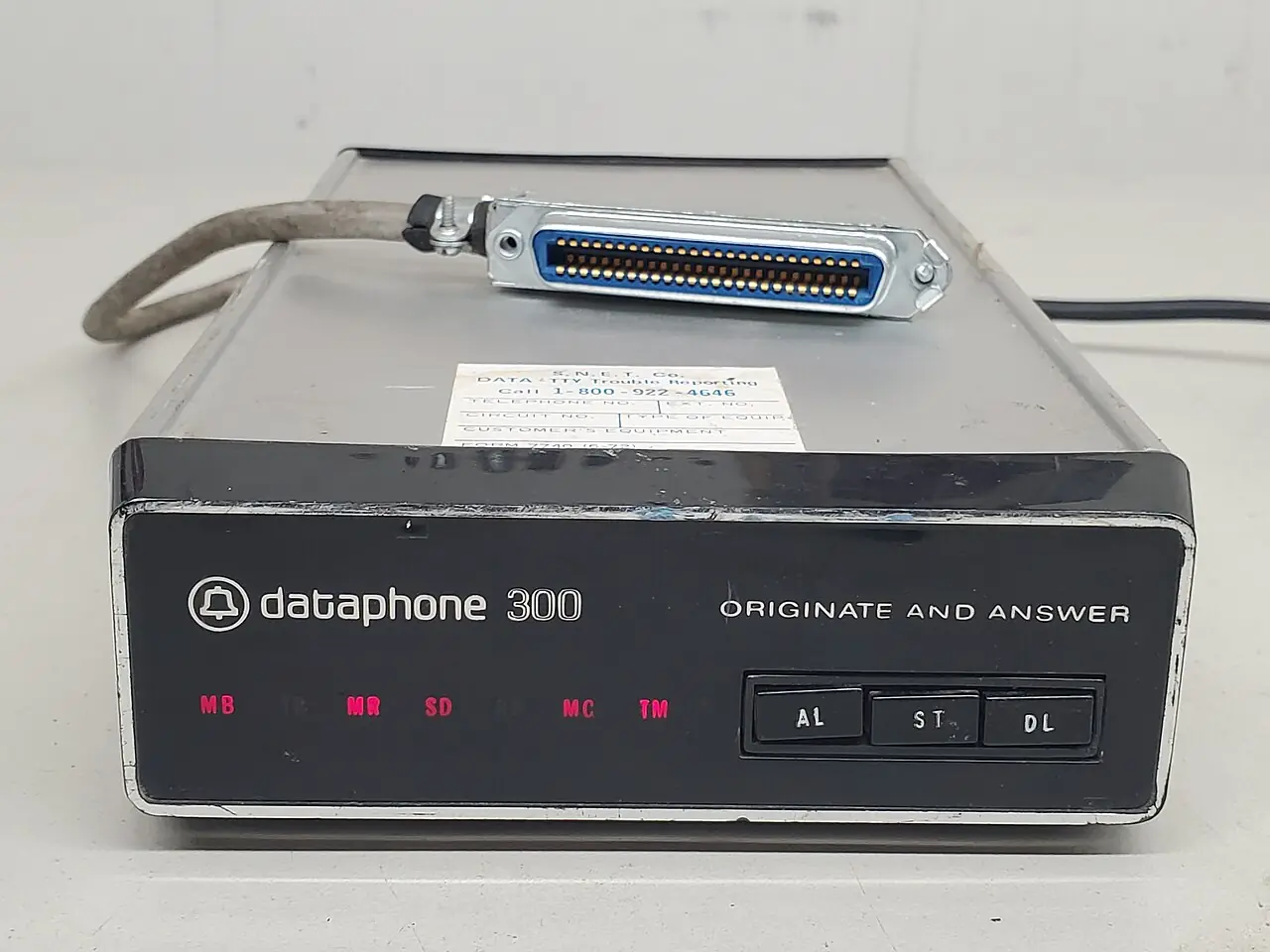
Bell 103 (300 bit/s)
Full-duplex modem over ordinary phone lines; became the de facto standard.
Image: Retro-Computing Society of Rhode Island · CC BY-SA 4.0 · Wikimedia Commons - 1981
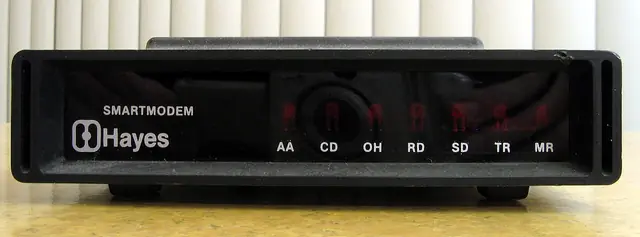
Hayes Smartmodem
Microprocessor modem dials and answers under software control via AT commands, enabling home bulletin boards and online services.
Image: Michael Pereckas from Milwaukee, WI, USA · CC BY-SA 2.0 · Wikimedia Commons - 1994
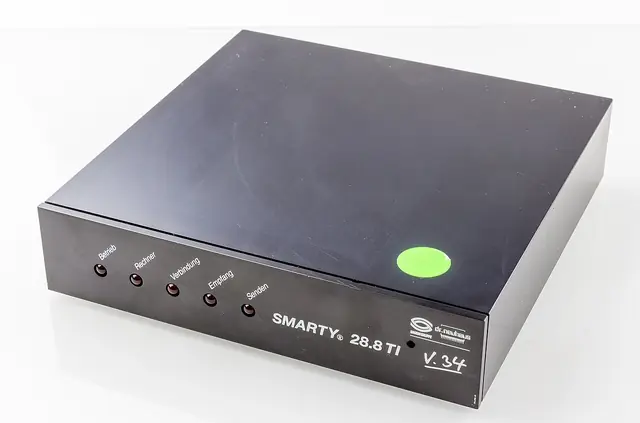
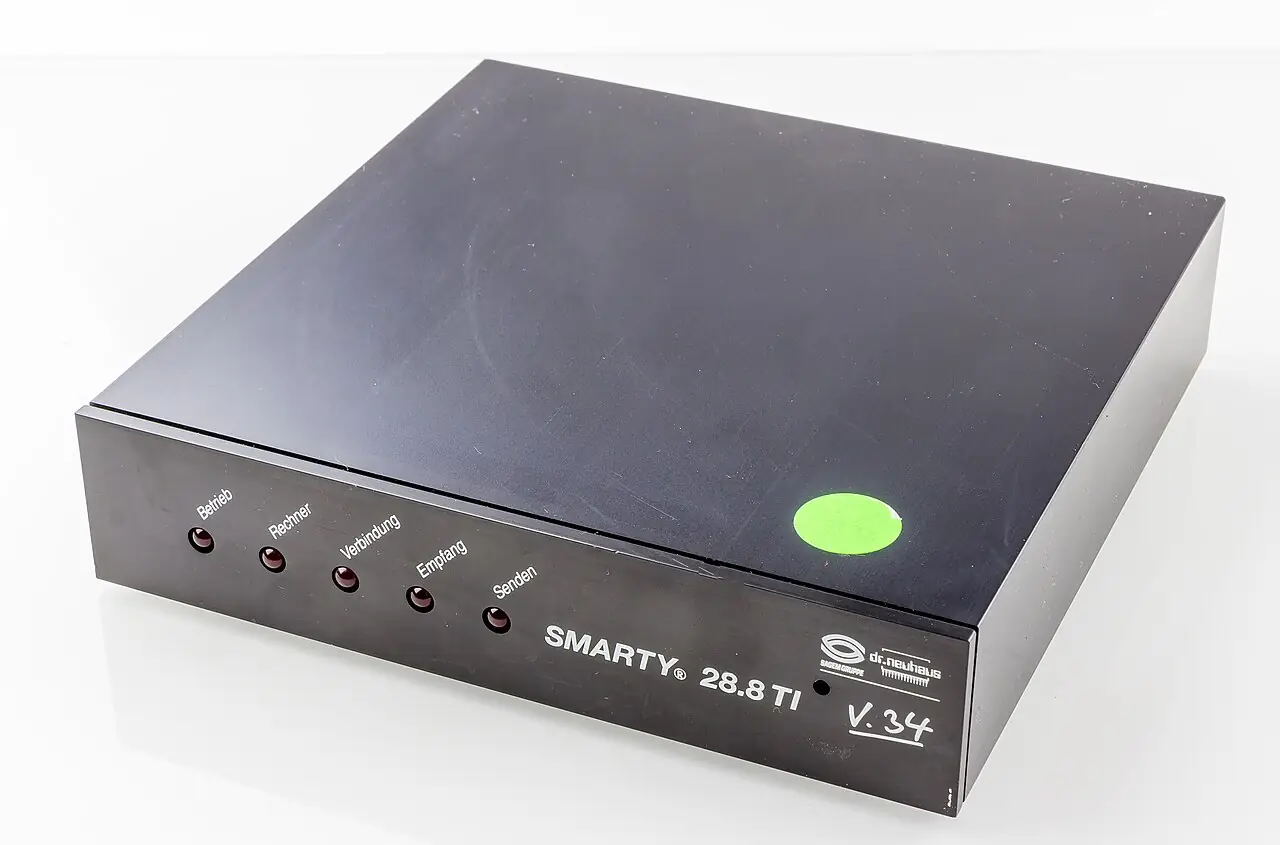
V.34 modems (28.8 kb/s)
ITU V.34 squeezes 28.8 kb/s (later 33.6) from an ordinary phone line, about 100 times Bell 103, making the graphical web usable over dial-up.
Image: Raimond Spekking · CC BY-SA 4.0 · Wikimedia Commons - 1999

ADSL (G.992.1) and cable modems (DOCSIS)
Always-on broadband over existing phone and cable-TV lines displaces dial-up.
Image: Branko Collin (24oranges.nl) · CC BY-SA 2.0 · Flickr - 2003

Fibre to the home (GPON, G.984)
Passive optical networks bring fibre directly to homes at gigabit-class speeds.
Image: International Telecommunication Union · Unclear; no licence stated (organisation logo) · Wayback Machine capture of itu.int, 1 Aug 2003