TCP/IP (Internet Protocol suite)
Open-architecture protocols that let different networks interconnect end-to-end through gateways; the defining technology of the internet.
- 1974
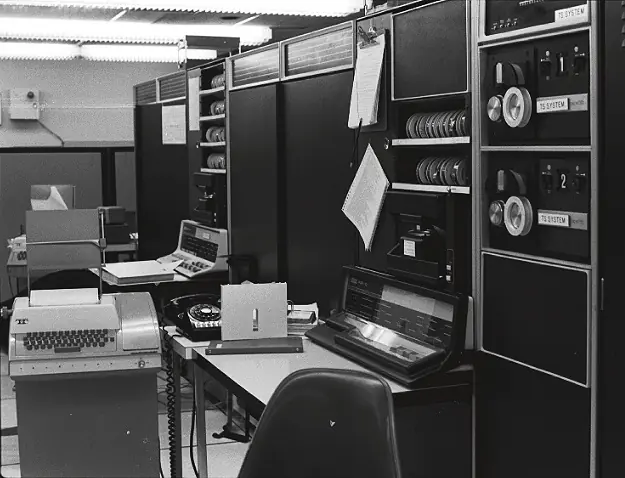
First version
Vint Cerf (Stanford) and Bob Kahn (DARPA)
Image: Unknown photographer · Public domain · Wikimedia Commons - 1981

IPv4 (RFC 791) and TCP (RFC 793)
TCP split from IP; 32-bit addresses; becomes the ARPANET standard.
Image: University of Southern California · Public domain (Commons) · Wikimedia Commons - 1988
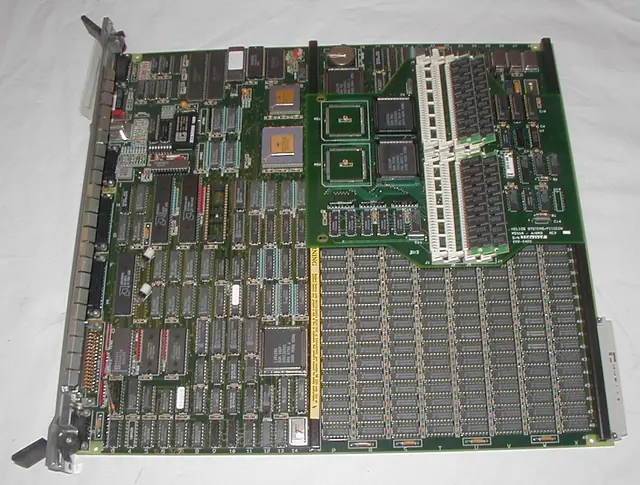
TCP congestion control (Jacobson)
Van Jacobson's slow-start and backoff algorithms let TCP adapt to load, ending congestion collapses.
Image: Robert Harker (Robert.Harker at English Wikipedia) · CC BY-SA 2.5 · Wikimedia Commons - 1998

IPv6 (RFC 2460)
128-bit addresses to replace scarce IPv4; became Internet Standard RFC 8200 in 2017.
Image: 6bone project (IETF IPng/ngtrans IPv6 testbed) · Unclear; no licence stated · Wayback Machine capture of www.6bone.net, 22 Ap… - 2021

QUIC (RFC 9000)
Encrypted, multiplexed transport over UDP replaces TCP for much web traffic, with faster connection setup.
Image: IETF QUIC Working Group · Trademark logo, used to identify the pr… · quicwg.org, the IETF QUIC Working Group site
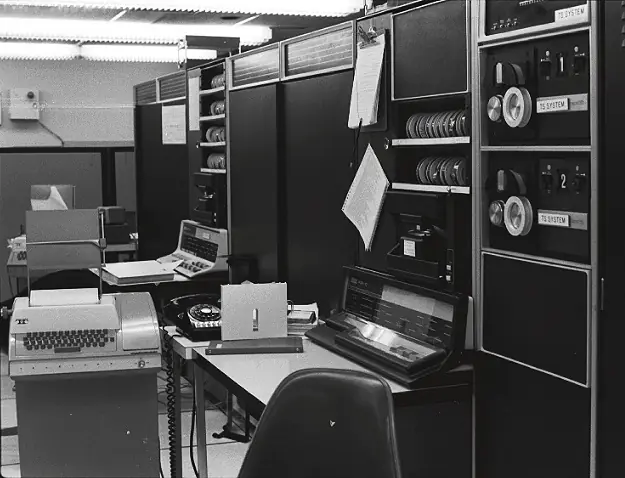





Contested: Cerf and Kahn are credited, but Pouzin's CYCLADES datagrams shaped the design; the internet's 'birth' is dated to 1974 or the 1983 cutover.