Brain–computer interface (BCI)
Reads brain signals and turns them into commands, letting people control computers by thought; aimed first at restoring movement and speech to paralysed people.
- 1969

First version
Eberhard Fetz (University of Washington); Jacques Vidal (UCLA) named the field in 1973
Image: University of Washington · Fair use (en.wikipedia non-free logo); … · English Wikipedia - 1977

EEG-controlled cursor (Vidal, UCLA)
Scalp EEG signals steer a cursor-like object through a maze on screen: the first non-invasive BCI.
Image: Original University of California seal: probably Tiffany & Co,; This SVG file: … · Public domain · Wikimedia Commons - 2005
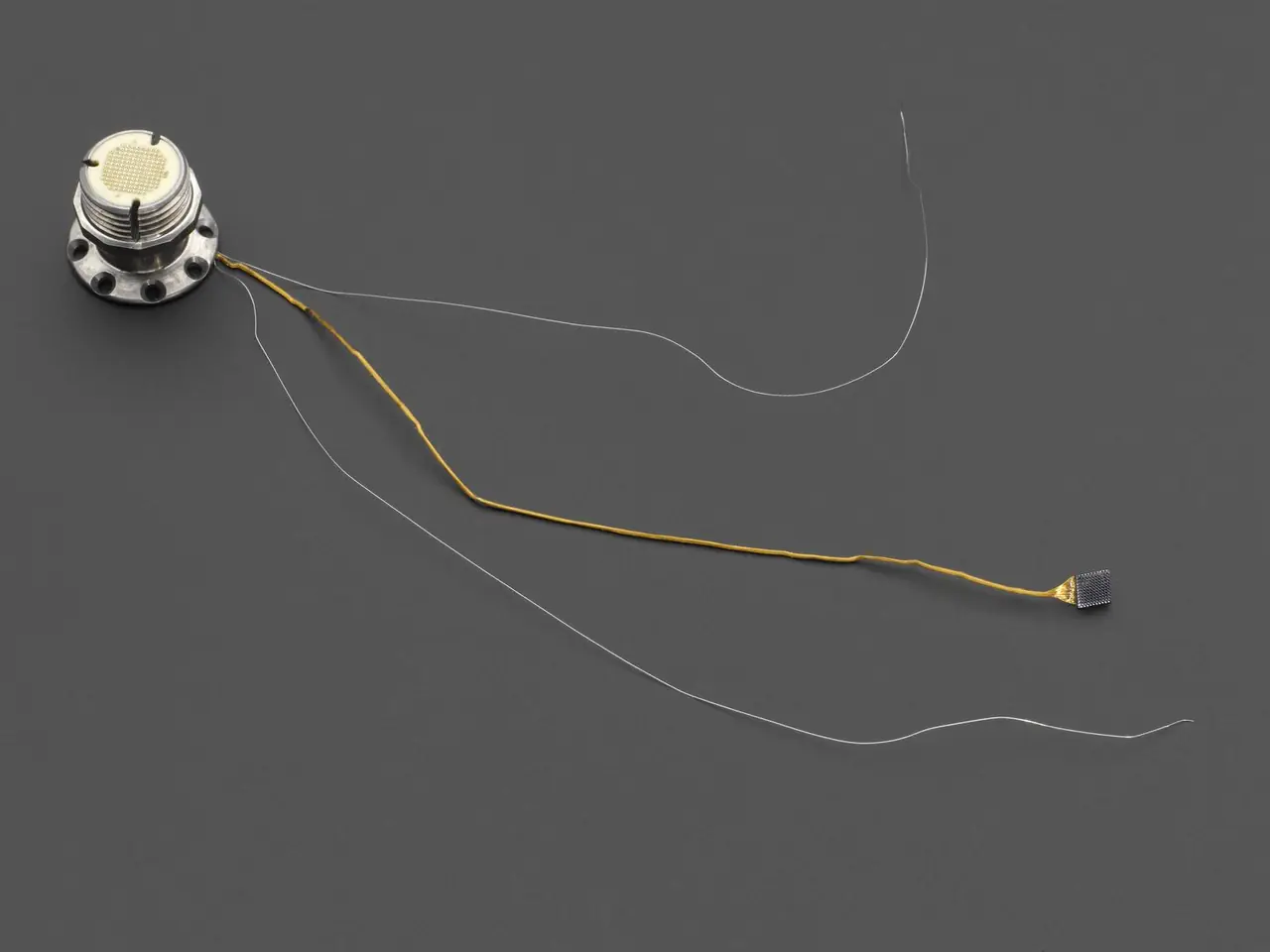
BrainGate implant
A 96-electrode array in Matt Nagle's motor cortex lets a paralysed man move a cursor, operate a TV and open a prosthetic hand.
Image: Science Museum Group · CC BY-NC-SA 4.0 · Science Museum Group collection (object 2010-8,… - 2023
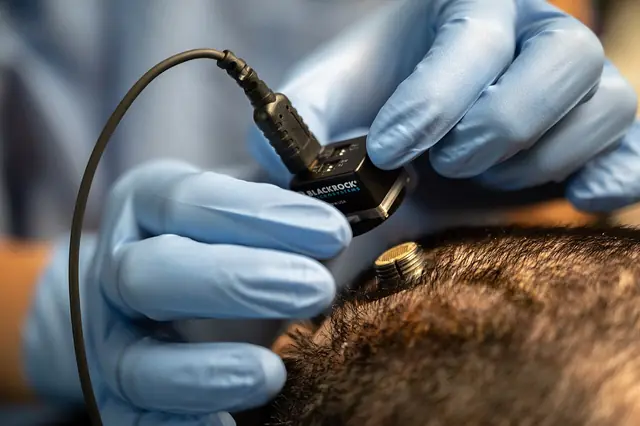
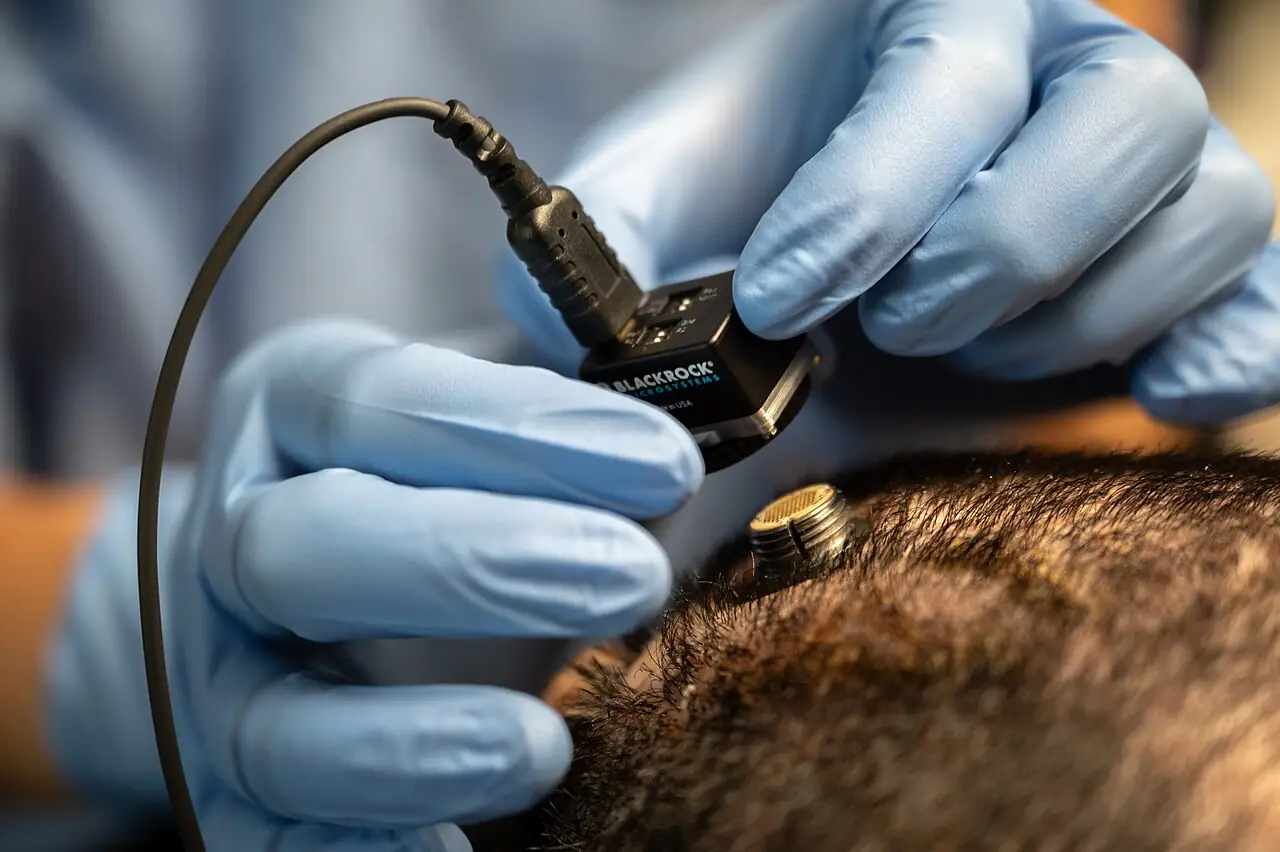
Speech neuroprosthesis
Implanted arrays and a recurrent neural network decode attempted speech at 62 words per minute, 3.4 times the previous record.
Image: Mike Cai Chen · CC0 · Wikimedia Commons - 2024
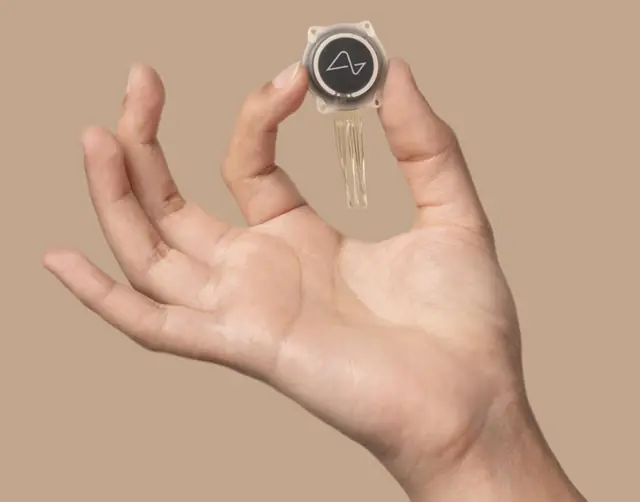
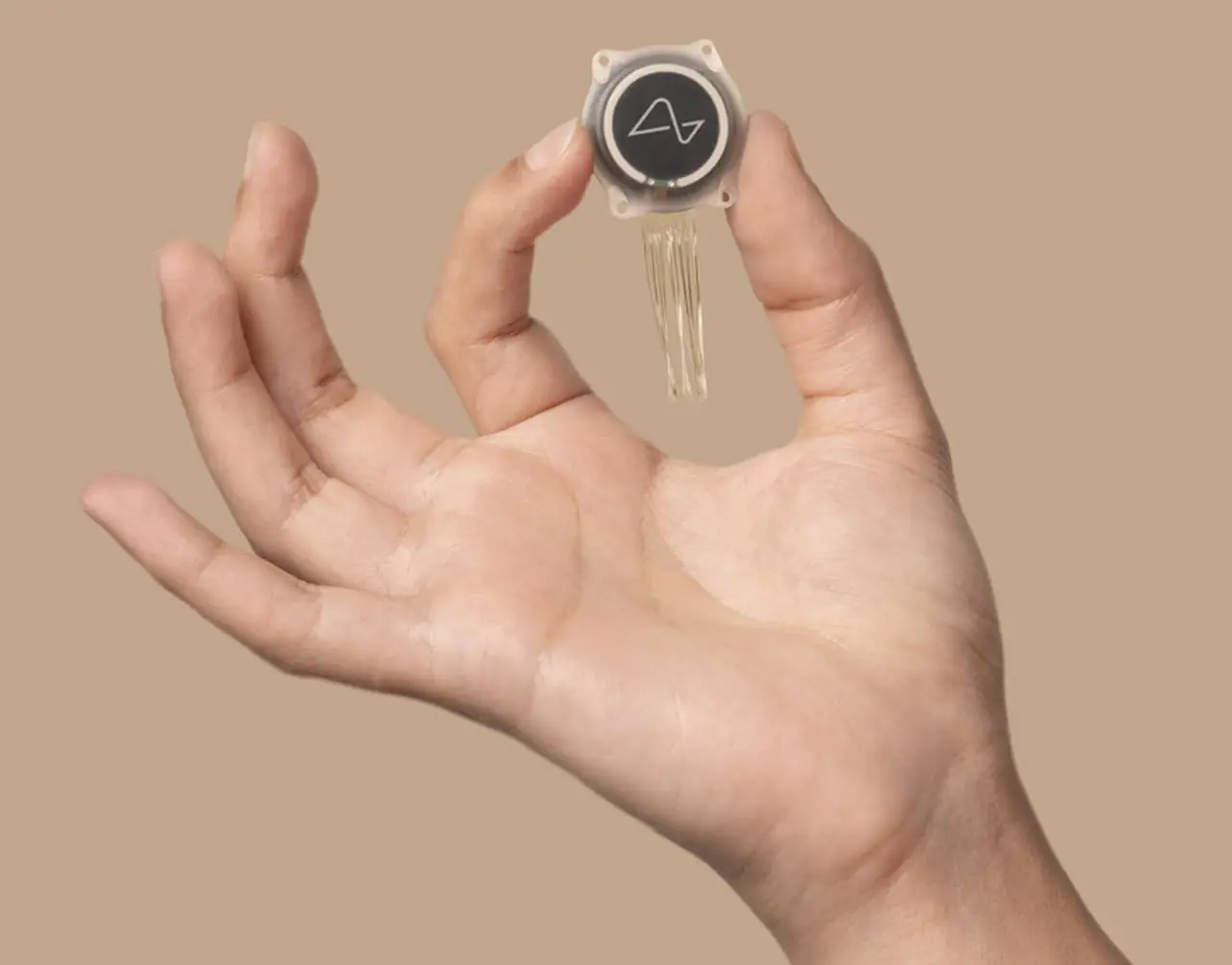
Neuralink wireless implant
A fully implanted, wireless, battery-powered device lets Noland Arbaugh move a cursor and play online chess with no cable through the skull.
Image: Neuralink press image via The Register · © Neuralink; editorial reproduction by … · The Register / Neuralink PRIME-study material