Electronic paper (e-paper / E Ink)
Reflective, bistable display that holds an image without power and reads like paper. It enabled e-readers, shelf labels and low-power signage.
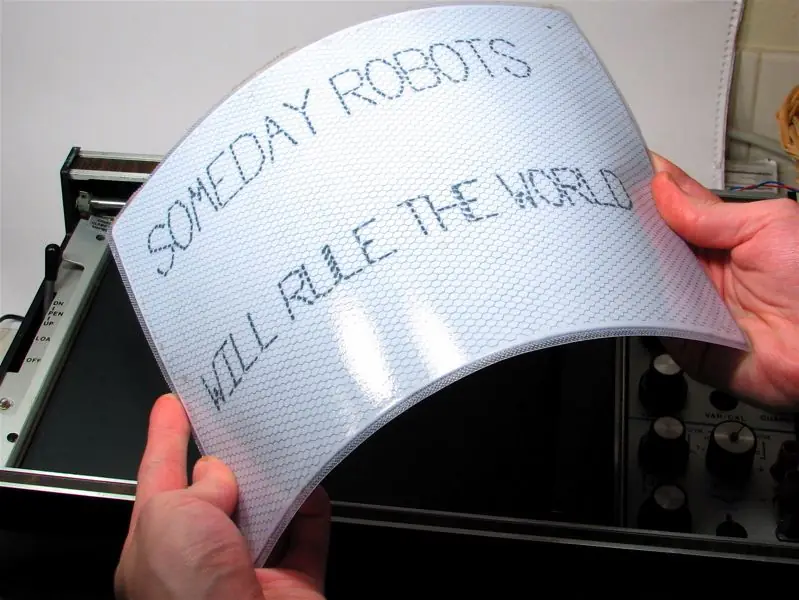
- 1975
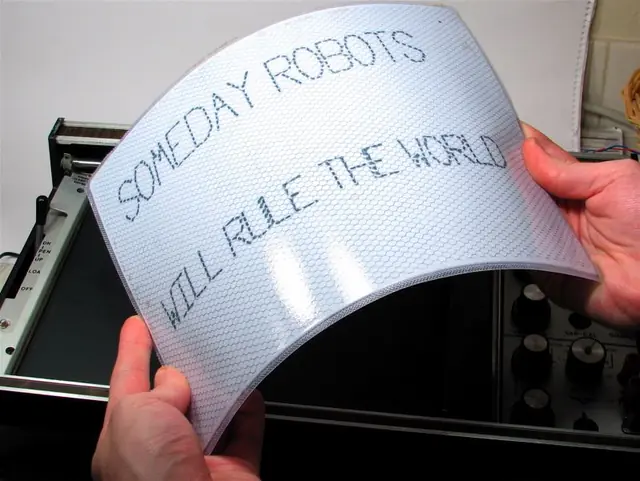
First version
Nicholas Sheridon (Xerox PARC, Gyricon); Joseph Jacobson and team (MIT / E Ink)
Image: Windell Oskay from Sunnyvale, CA, USA · CC BY 2.0 · Wikimedia Commons - 1997
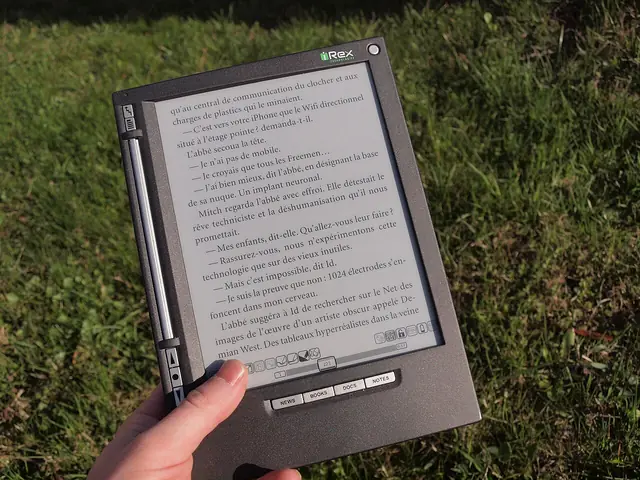
E Ink microcapsules
Microcapsules of charged black and white particles make a thin, paper-like display.
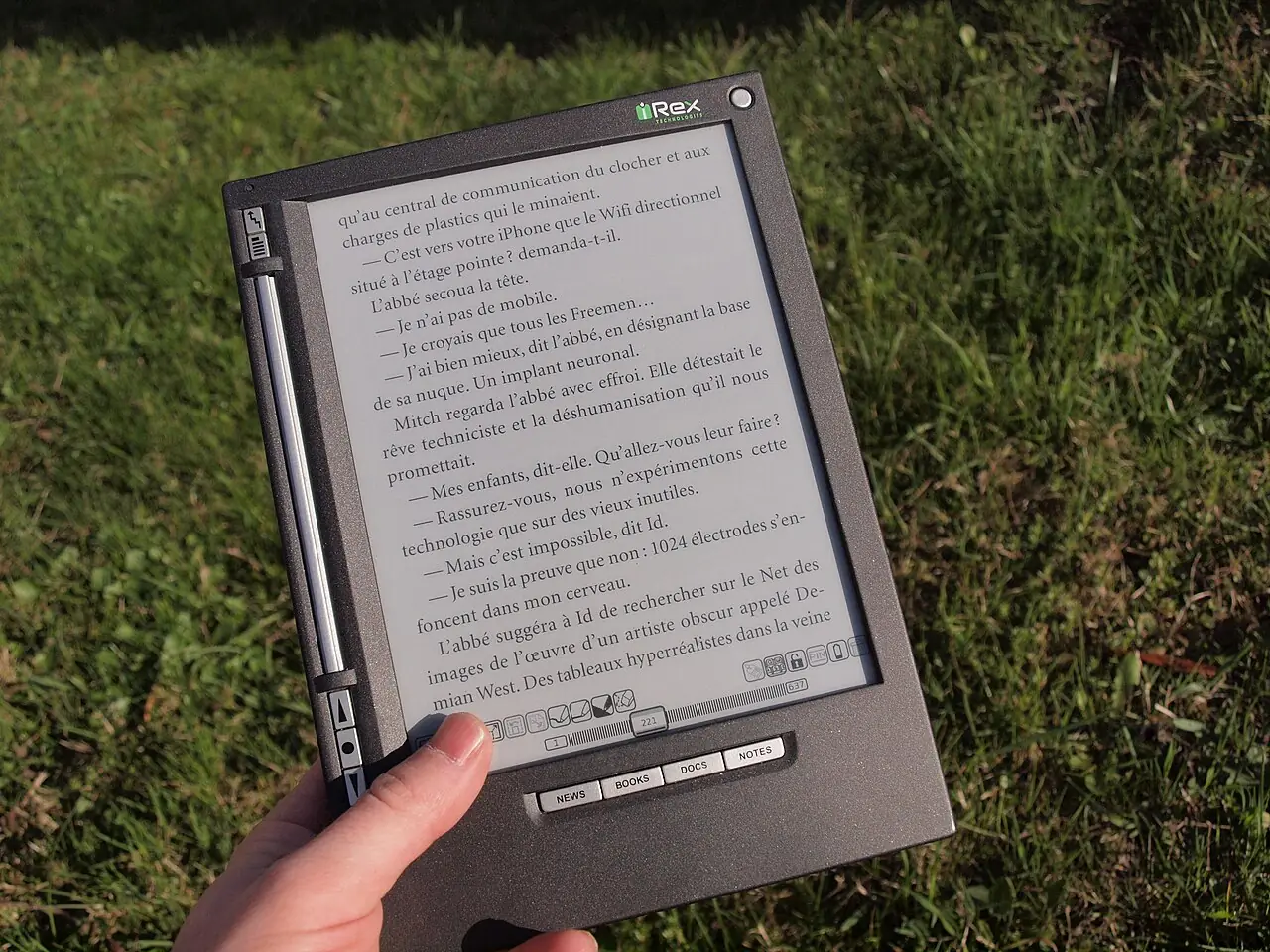
Image: Martouf · Public domain · Wikimedia Commons - 2004
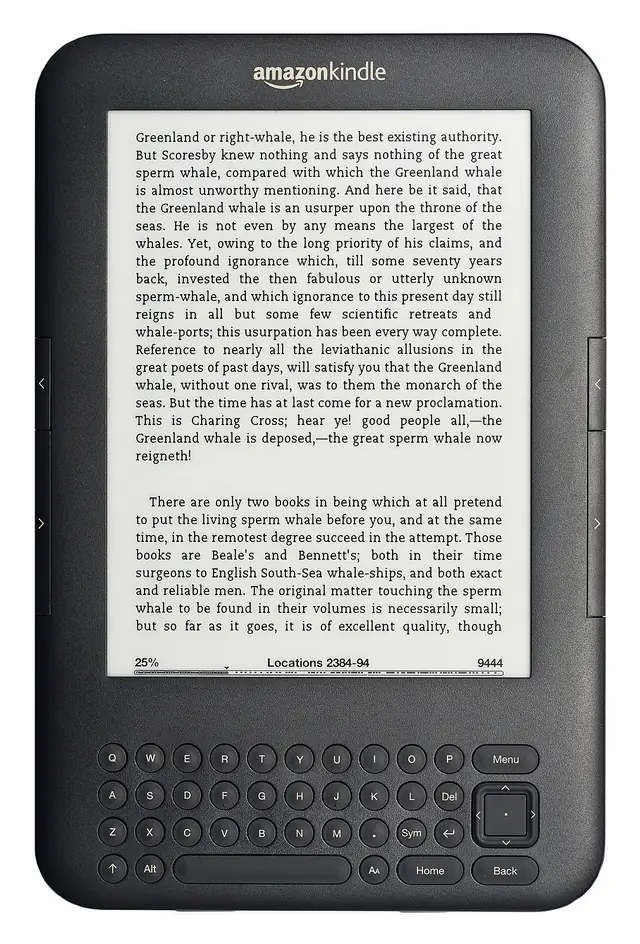
Sony LIBRIé
First widely recognised consumer e-reader using E Ink.
Image: NotFromUtrecht · CC BY-SA 3.0 · Wikimedia Commons - 2010
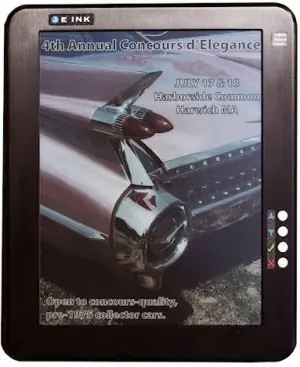
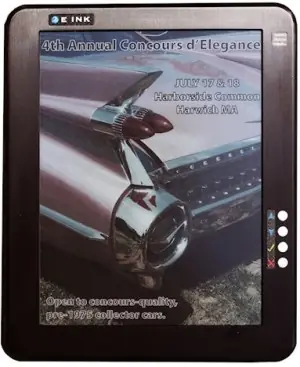
E Ink Triton colour
A colour-filter layer over E Ink adds 4,096 colours, still readable in sunlight.
Image: TechCrunch/CrunchGear (E Ink press image) · Unclear; no licence stated · TechCrunch article E Ink Color Triton E-Paper S… - 2022
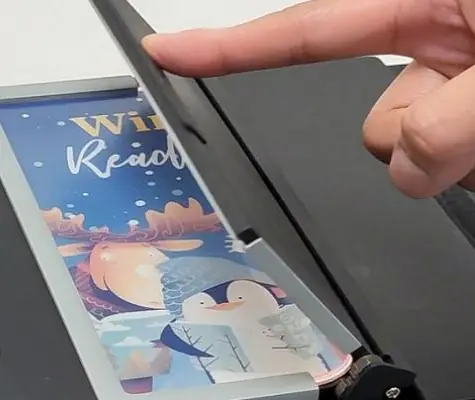
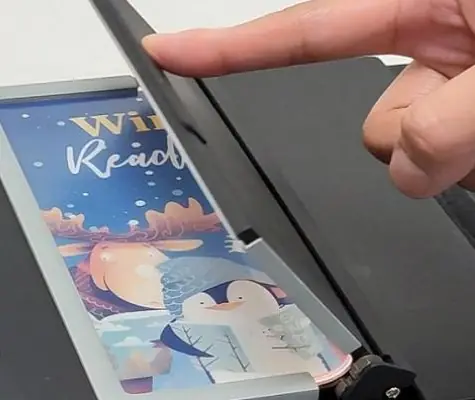
E Ink Gallery 3
Four coloured pigments in every pixel give full colour without a filter, fast enough for e-readers.
Image: E Ink Holdings press material via Al Ain · © E Ink Holdings Inc.; editorial reprod… · Al Ain, reporting E Ink's 2022 launch
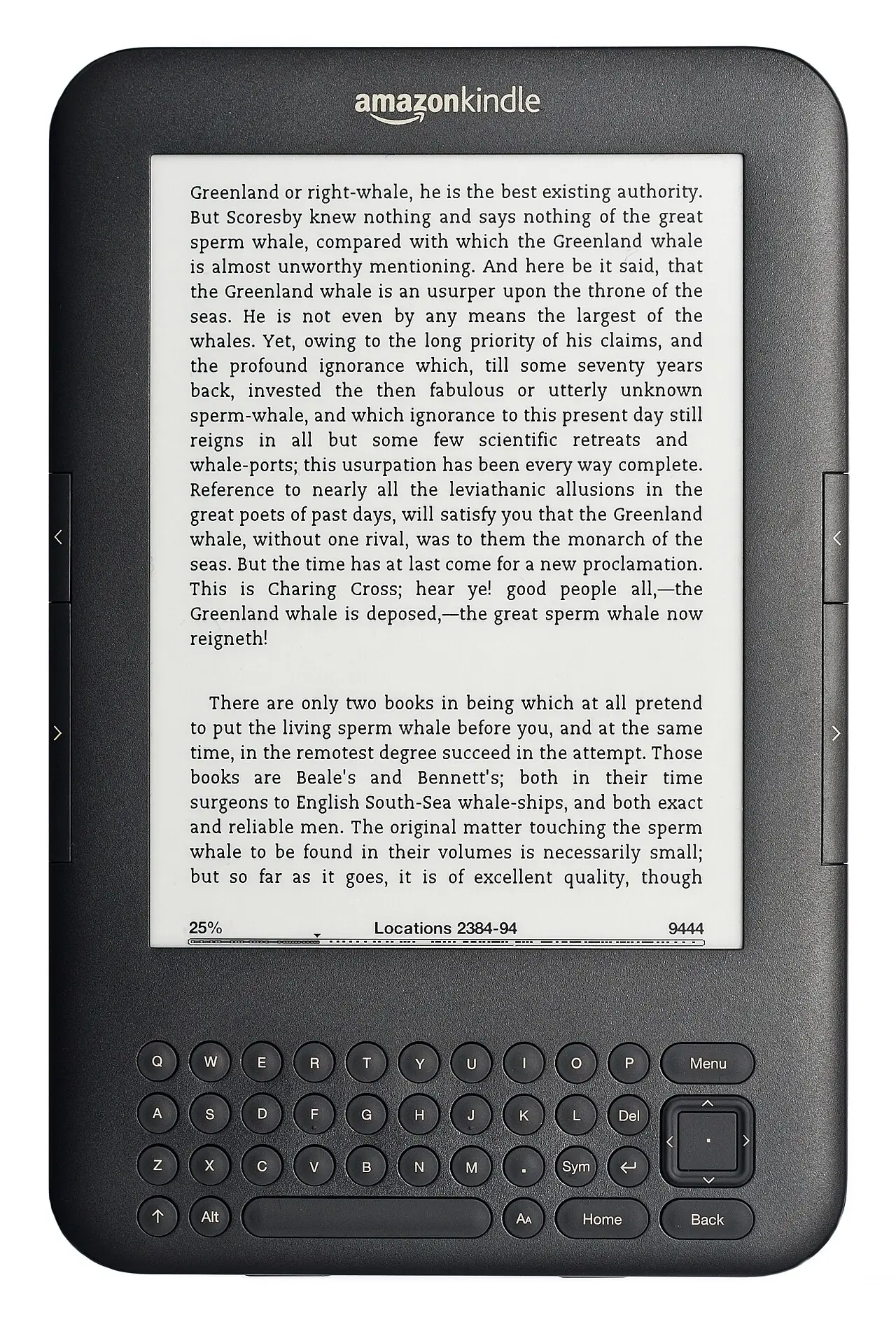


Contested: Gyricon is dated 1974 or 1975. E Ink's 1997 microencapsulated electrophoretic approach, not Gyricon, became the commercial standard.