LiDAR and 3D depth sensing
Measures distance with light, by timing laser pulses or reading projected patterns, to build 3D maps; it lets self-driving cars, robots and phones see depth.
- 1961

First version
Malcolm Stitch's team at Hughes Aircraft ('Colidar')
Image: Hughes Aircraft Company · Public domain · Wikimedia Commons - 2007
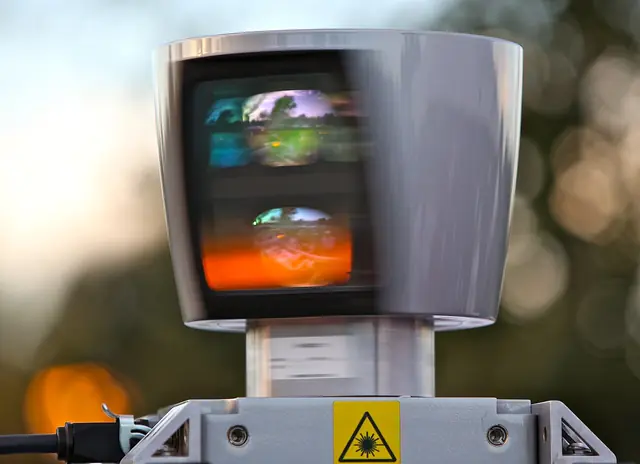
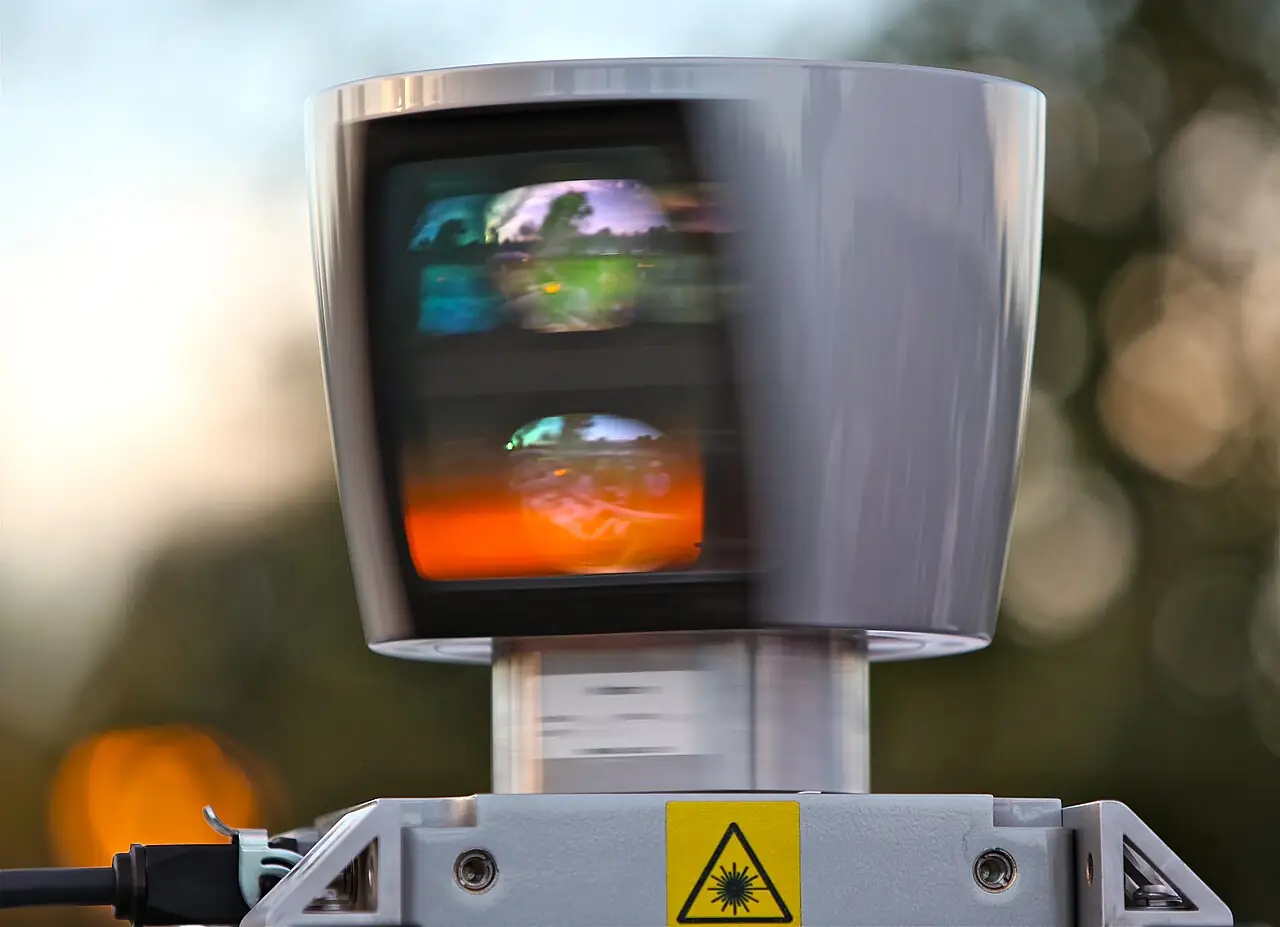
Velodyne HDL-64E spinning lidar
64 spinning lasers give 360-degree 3D point clouds; five of the six finishers of the DARPA Urban Challenge rely on it.
Image: Steve Jurvetson · CC BY 2.0 · Wikimedia Commons - 2010

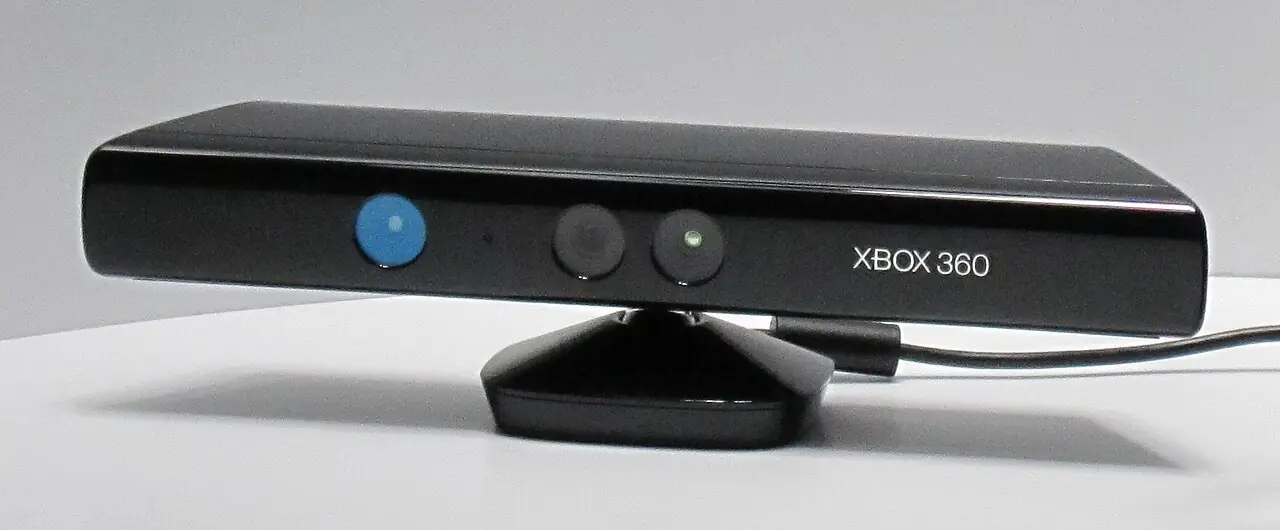
Kinect depth camera
PrimeSense's structured-light camera brings depth sensing to the living room; it sets a record as the fastest-selling consumer electronics device.
Image: James Pfaff (litheon) · CC BY 2.0 · Wikimedia Commons - 2017
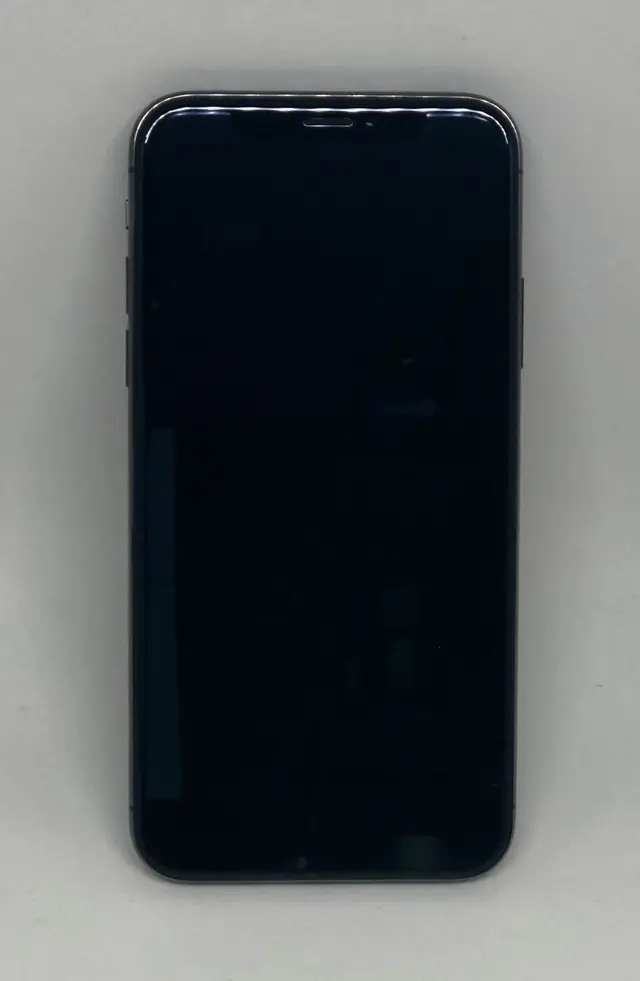
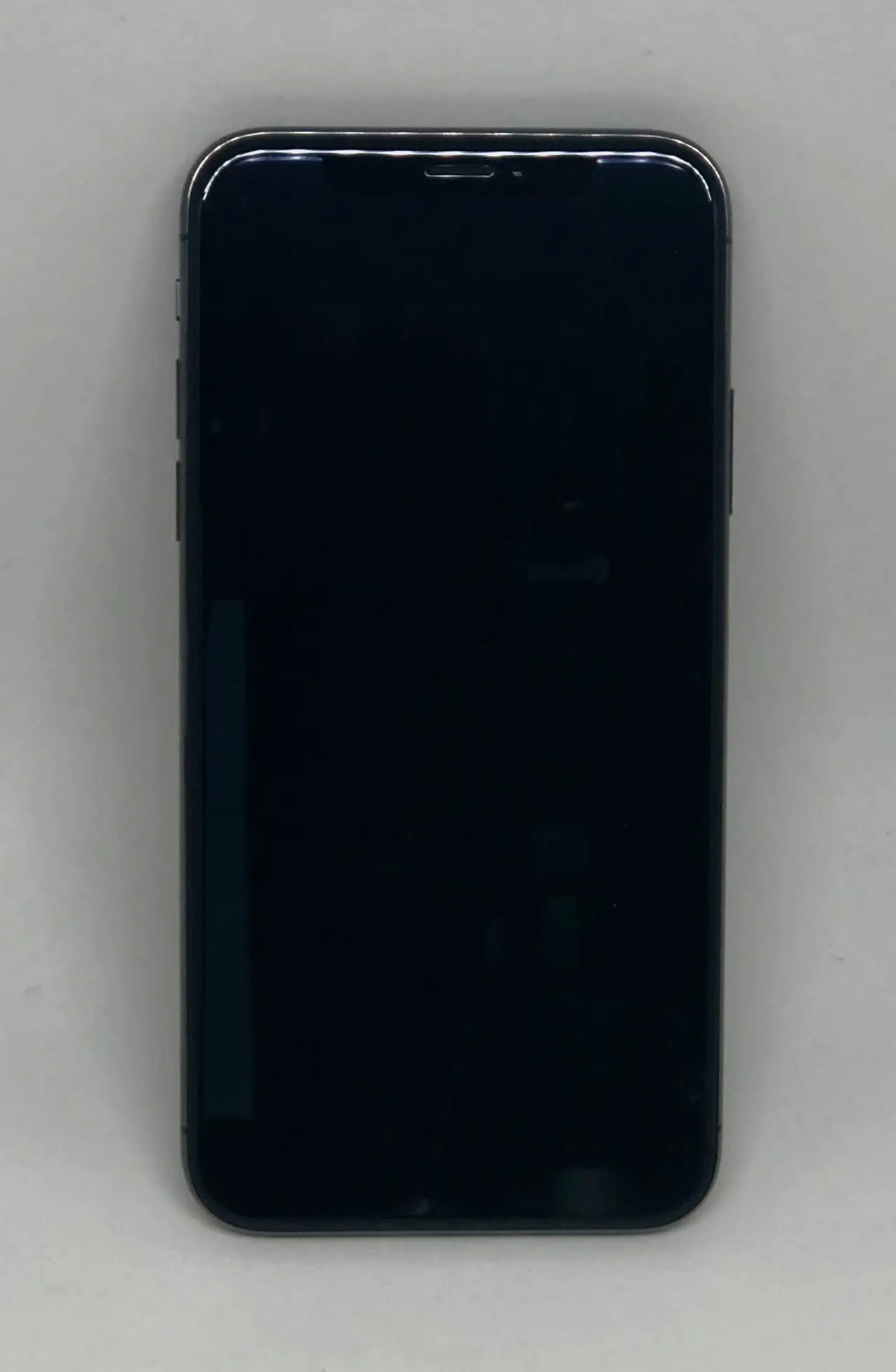
TrueDepth camera and Face ID
The iPhone X projects more than 30,000 infrared dots to map a face in 3D and unlock the phone.
Image: Gregory Varnum · CC BY-SA 4.0 · Wikimedia Commons - 2020
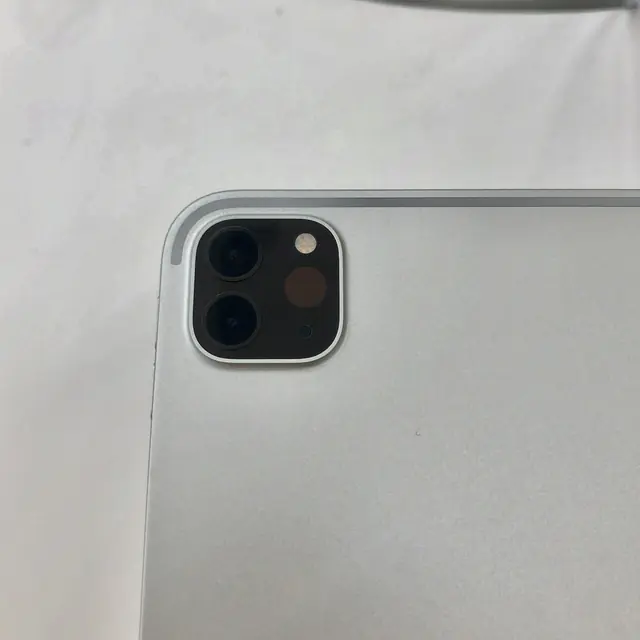
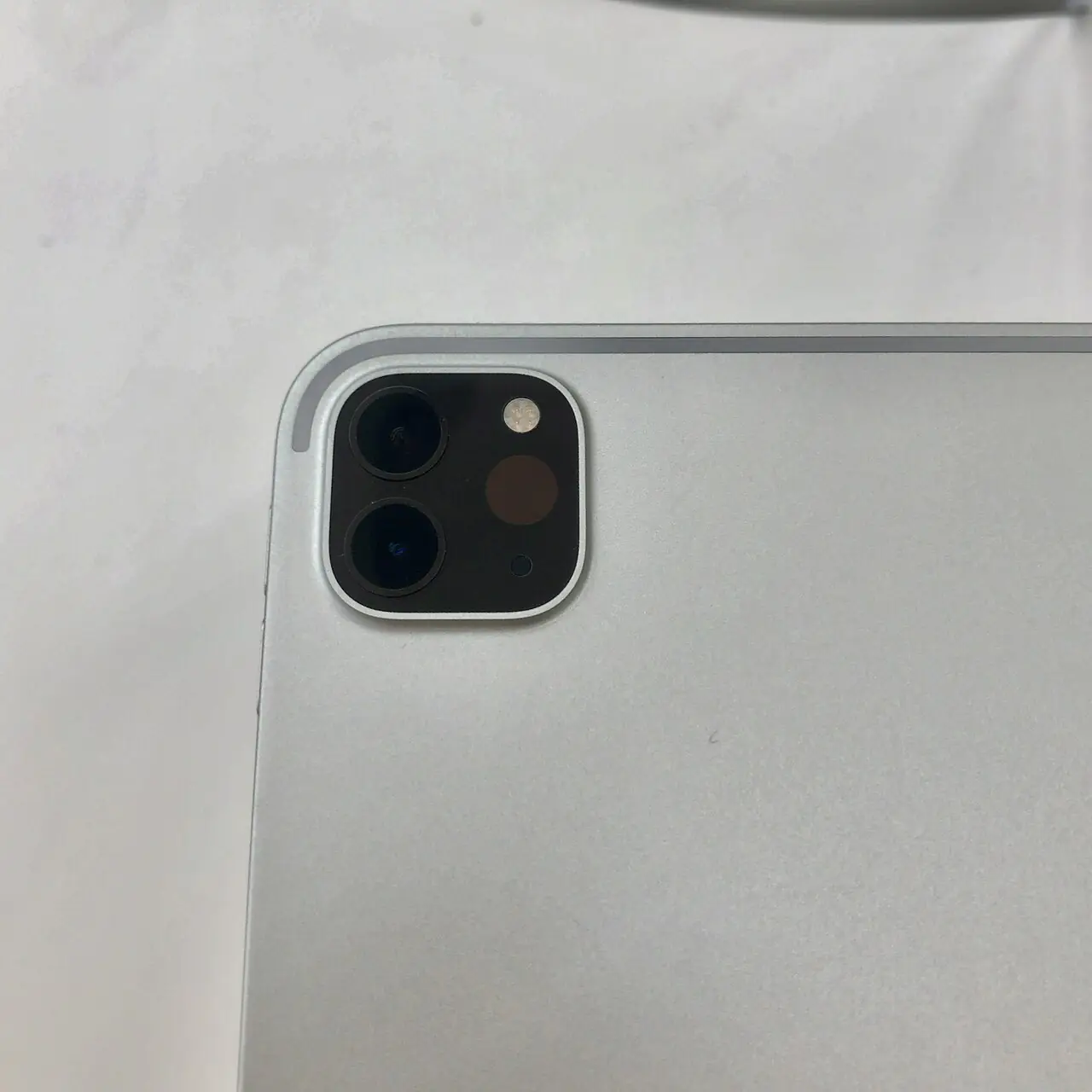
LiDAR Scanner in the iPad Pro
A tablet-sized lidar measures distances up to 5 m at nanosecond speeds, for AR and camera focus; the iPhone 12 Pro follows.
Image: KKPCW · CC BY-SA 4.0 · Wikimedia Commons