OLED display
Self-emissive organic-diode display with true blacks and thin, flexible panels; now standard in premium phones, TVs, monitors and laptops.
- 1987

First version
Ching W. Tang, Steven Van Slyke (Eastman Kodak)
Image: Eastman Kodak · Public domain · Wikimedia Commons - 1997

Pioneer car-stereo display
First commercial OLED product.
Image: Pioneer Corporation, via Semiconductor History Museum of Japan · © Pioneer Corporation; no open licence · Semiconductor History Museum of Japan, exhibit 342 - 2003
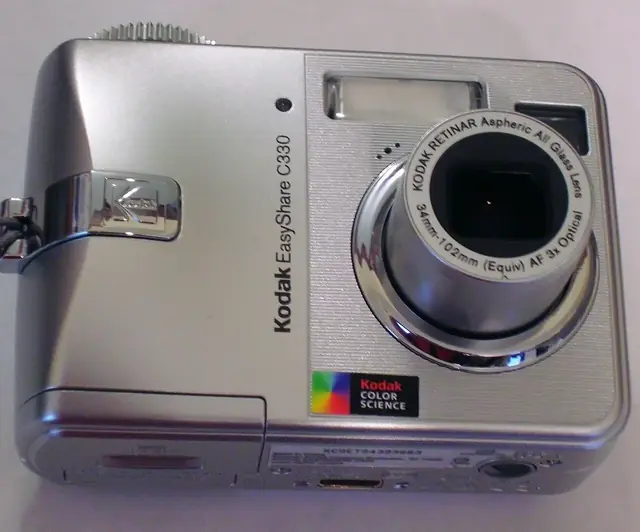
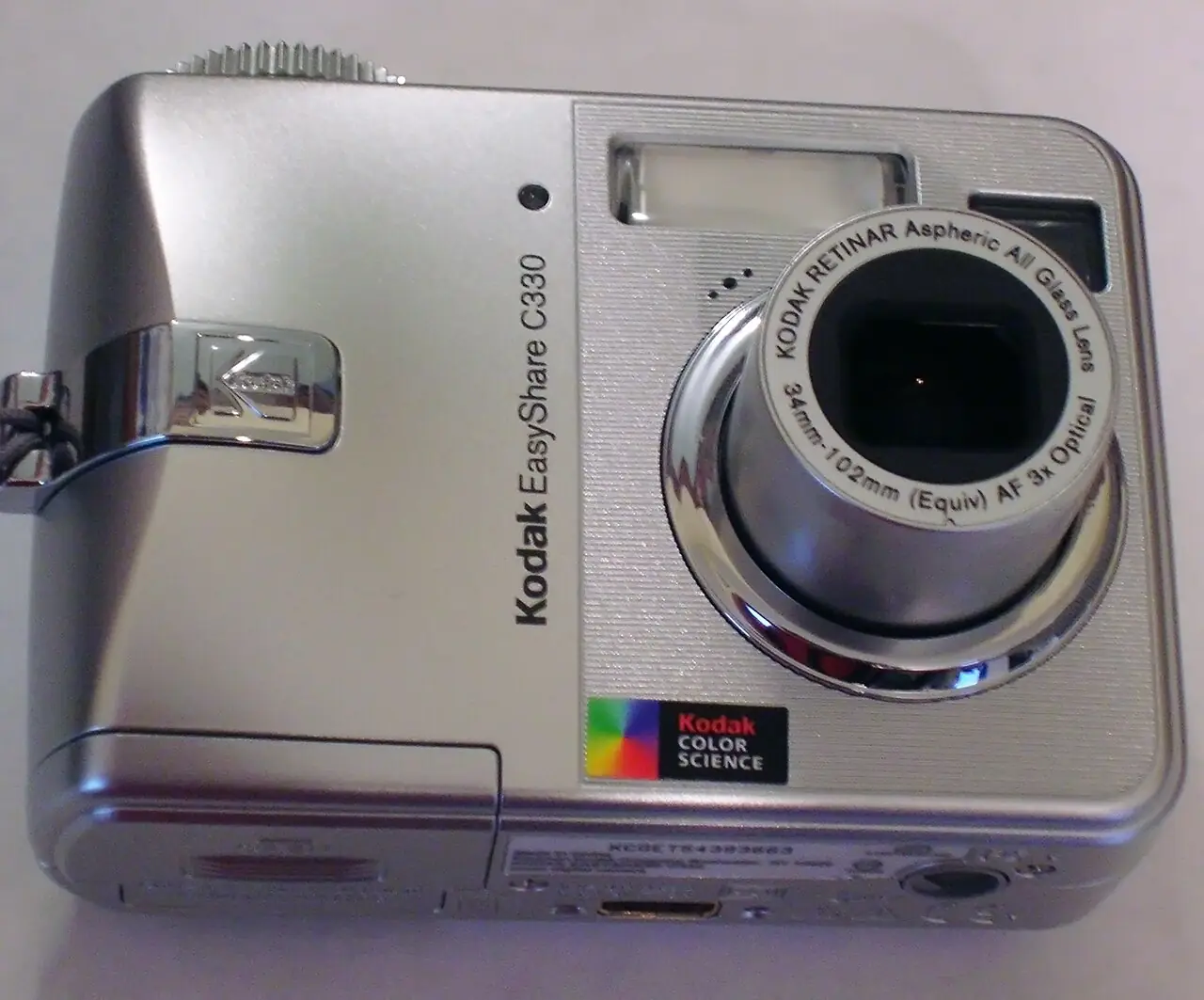
Kodak EasyShare LS633
First consumer product with a full-colour OLED display.
Image: Linuerist · Copyrighted free use · Wikimedia Commons - 2013
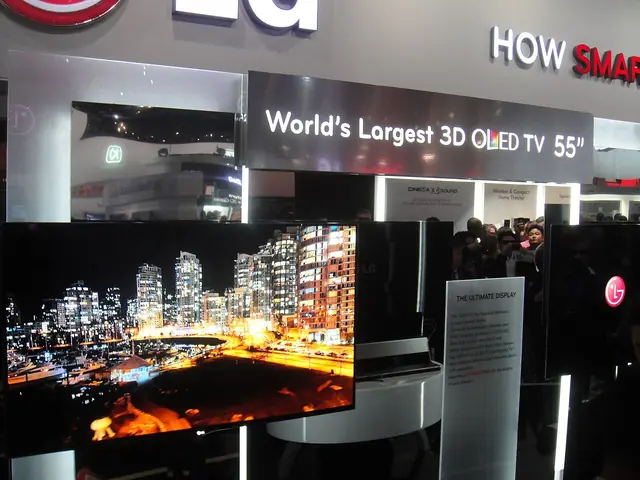
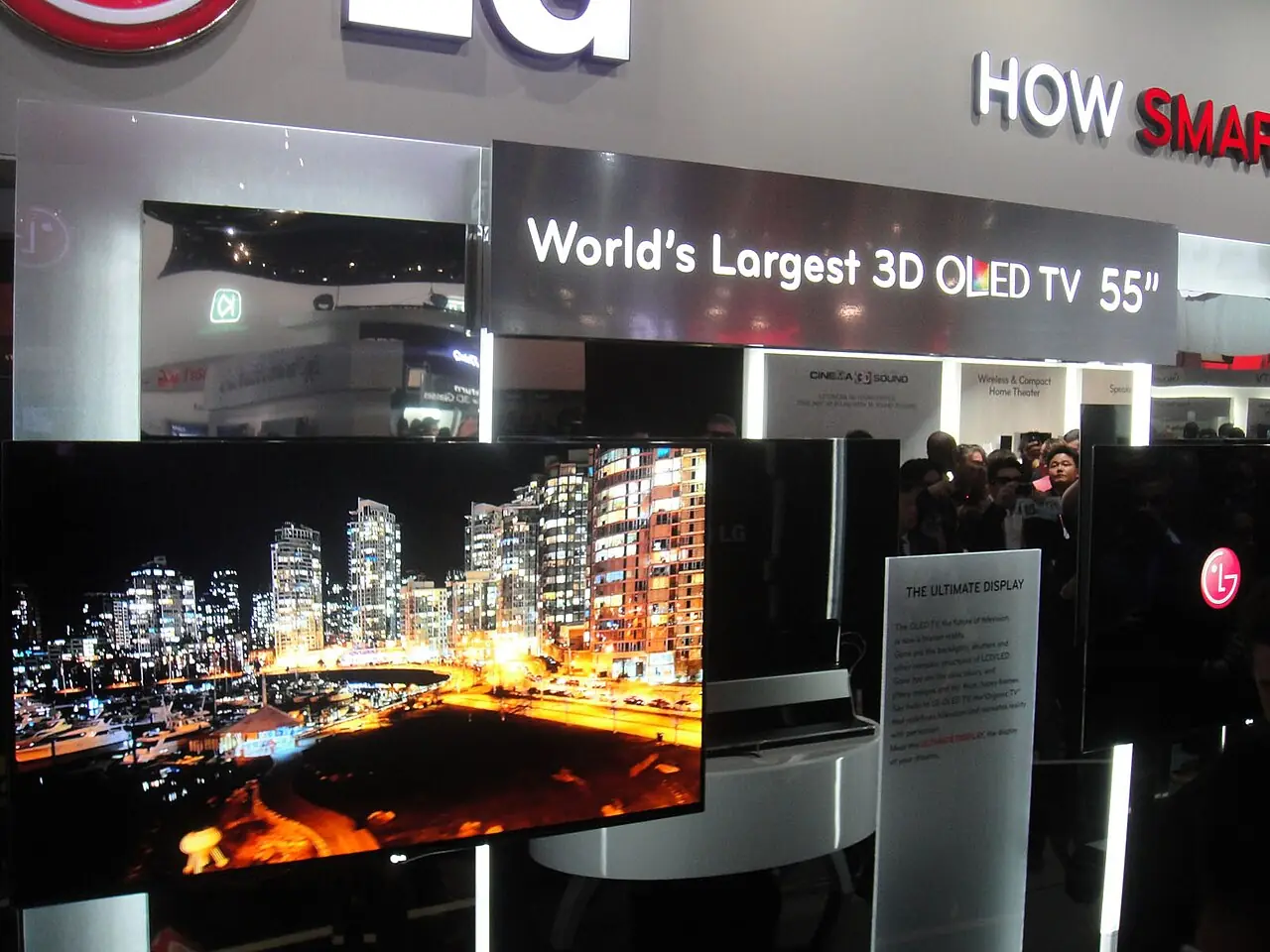
Large OLED TVs
LG sells 55-inch OLED TVs in Korea, about $10,000; OLED enters living rooms.
Image: The Conmunity - Pop Culture Geek from Los Angeles, CA, USA · CC BY 2.0 · Wikimedia Commons - 2019
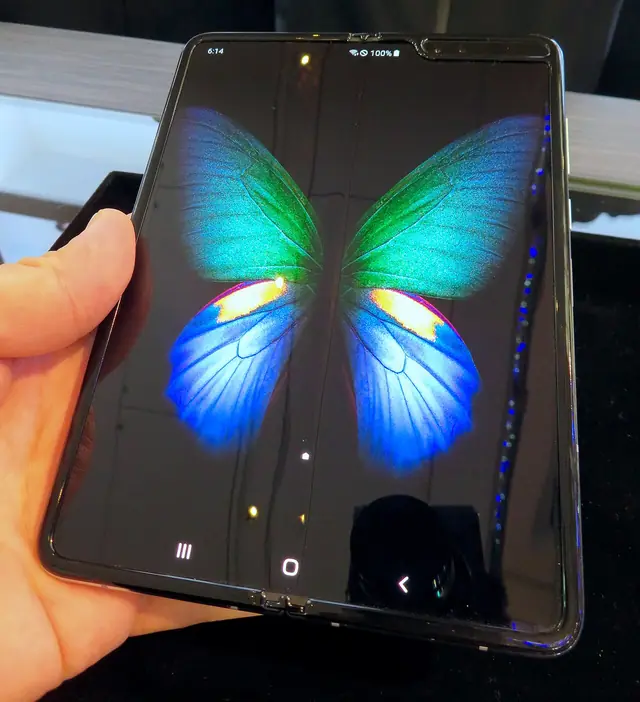
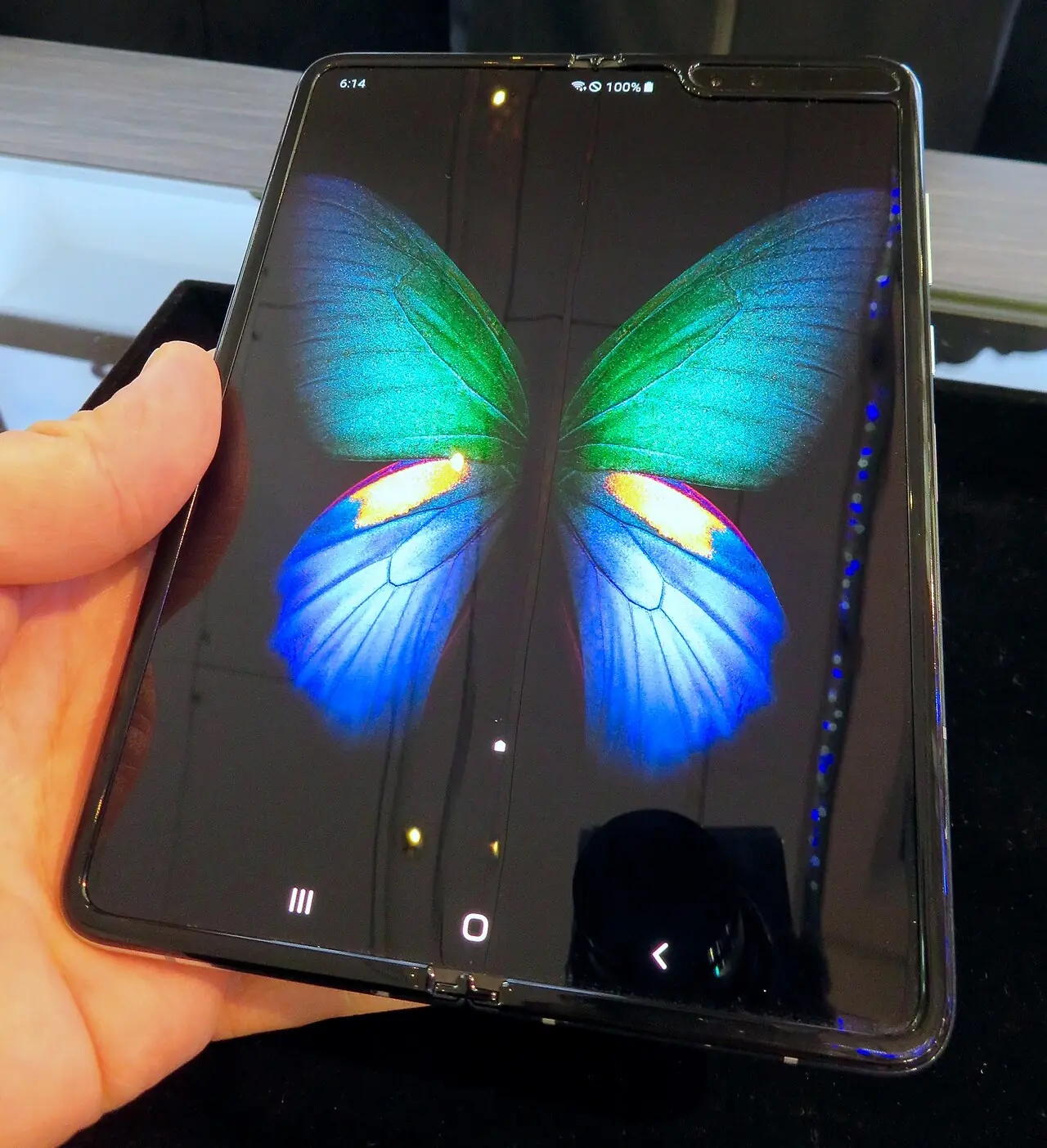
Foldable OLED (Samsung Galaxy Fold)
Flexible plastic OLED folds in half, turning a phone into a small tablet.
Image: KKPCW · CC BY-SA 4.0 · Wikimedia Commons - 2022
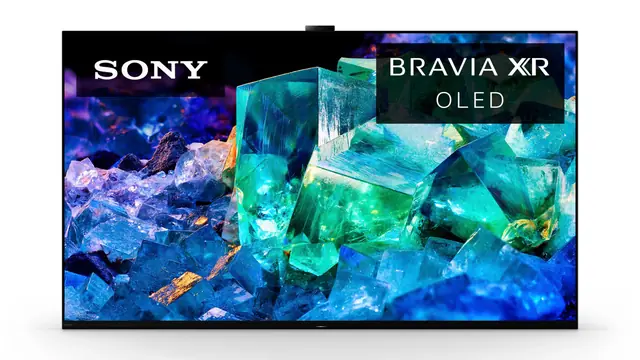
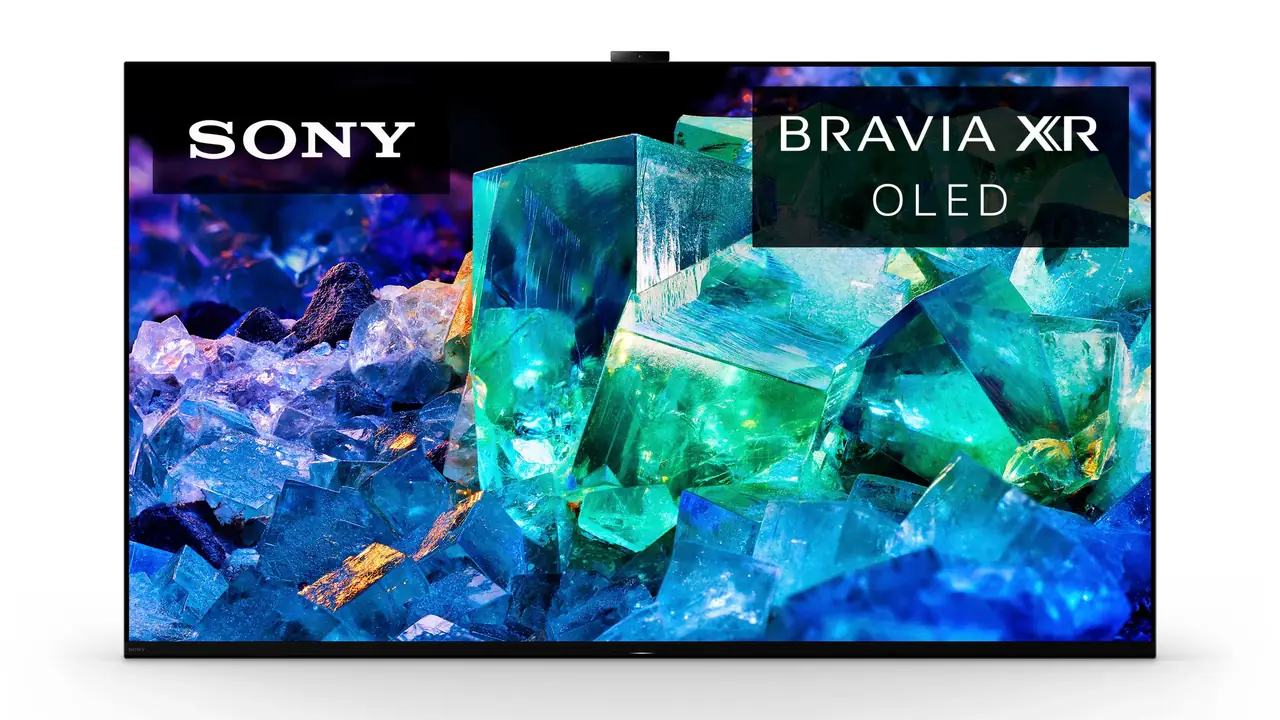
QD-OLED
Blue OLED light passes through quantum-dot converters for red and green, for brighter colour.
Image: Sony (press image via TechRadar) · © Sony; press image, no open licence · TechRadar - 2024
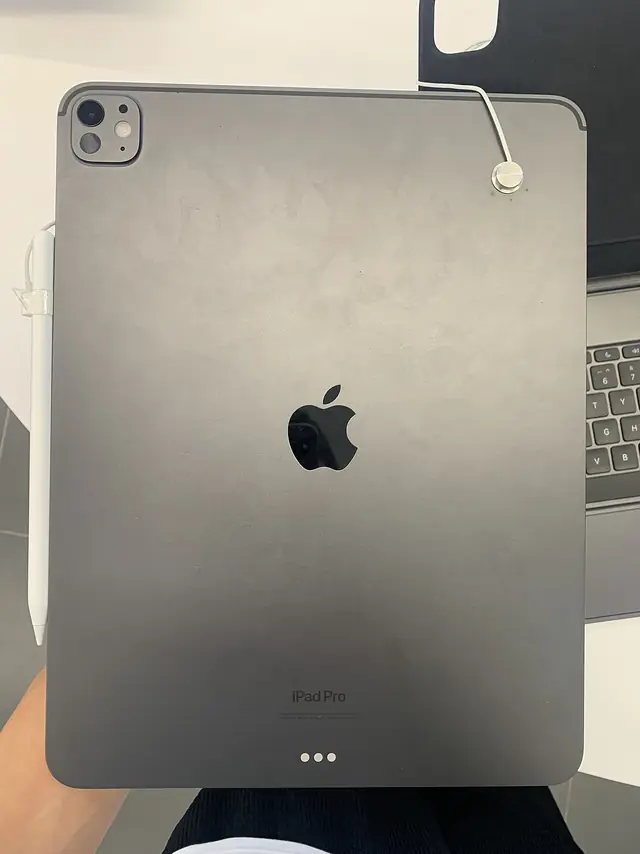
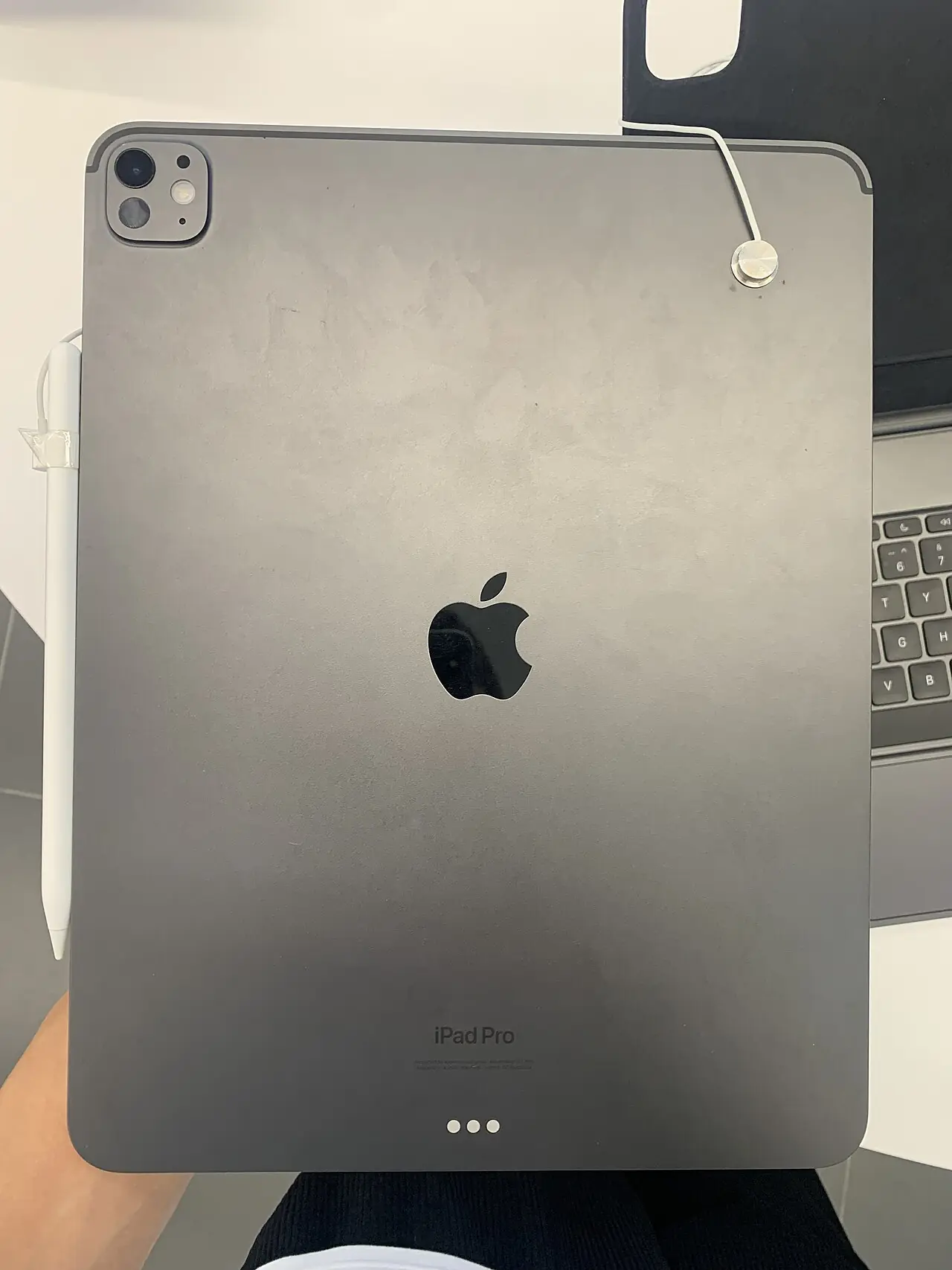
Tandem OLED (iPad Pro)
Two stacked OLED layers combine their light for much higher full-screen brightness.
Image: 茅野ふたば · CC BY-SA 4.0 · Wikimedia Commons




Contested: Kodak's OLED work began in the late 1970s; the 1987 Applied Physics Letters paper is the usual invention date.