Touchscreen
Display that senses finger contact directly, removing the separate pointing device. It is the foundation of phone, tablet, kiosk and now laptop interfaces.
- 1965
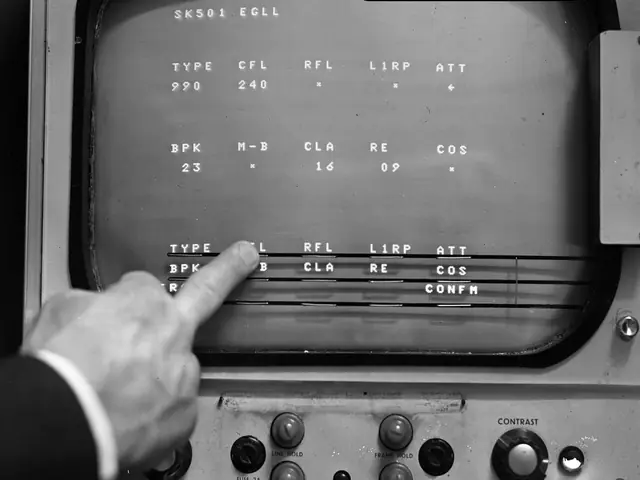
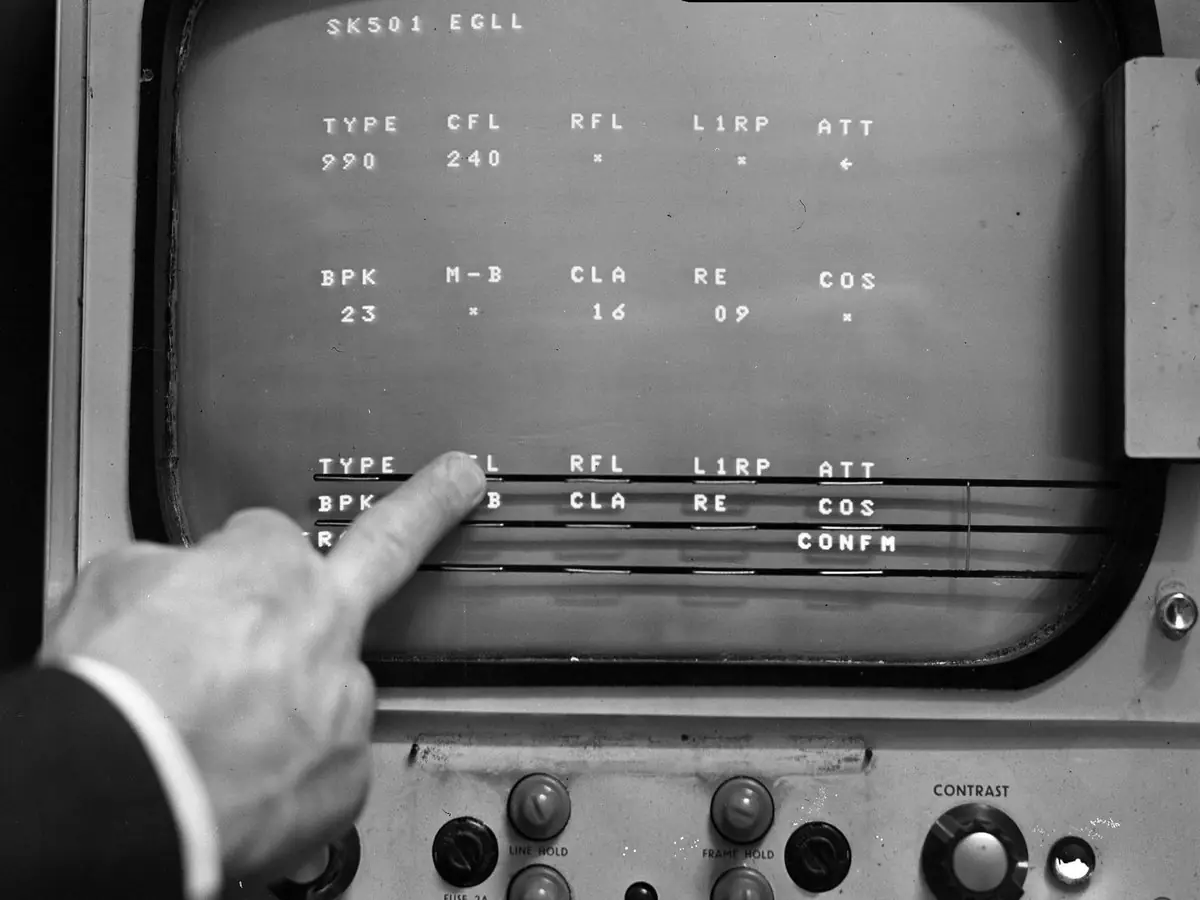
First version
E. A. Johnson (Royal Radar Establishment, Malvern, UK)
Image: Photographer uncredited; original RRE/E. A. Johnson period photograph · No reuse license stated; original photo… · 4D Systems repost of the period RRE photograph - 1972
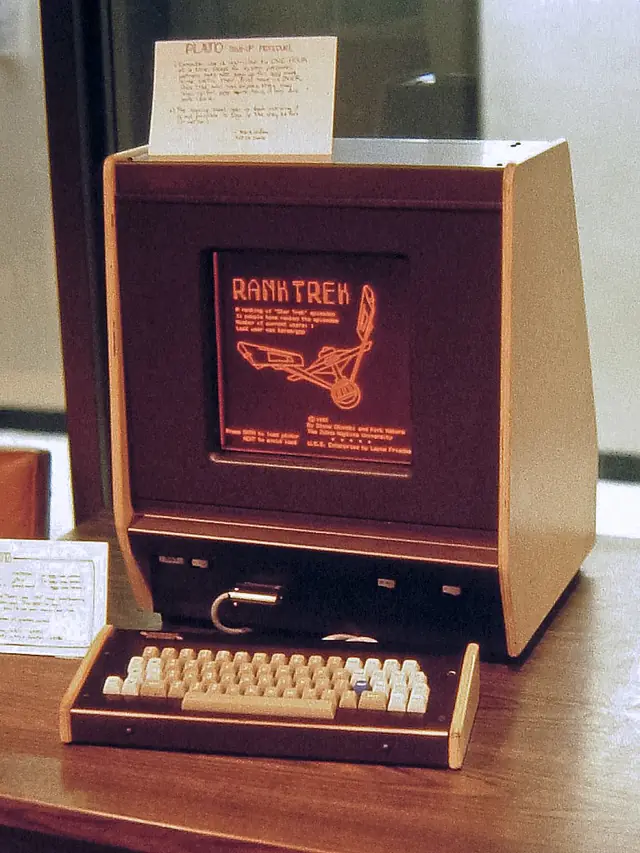
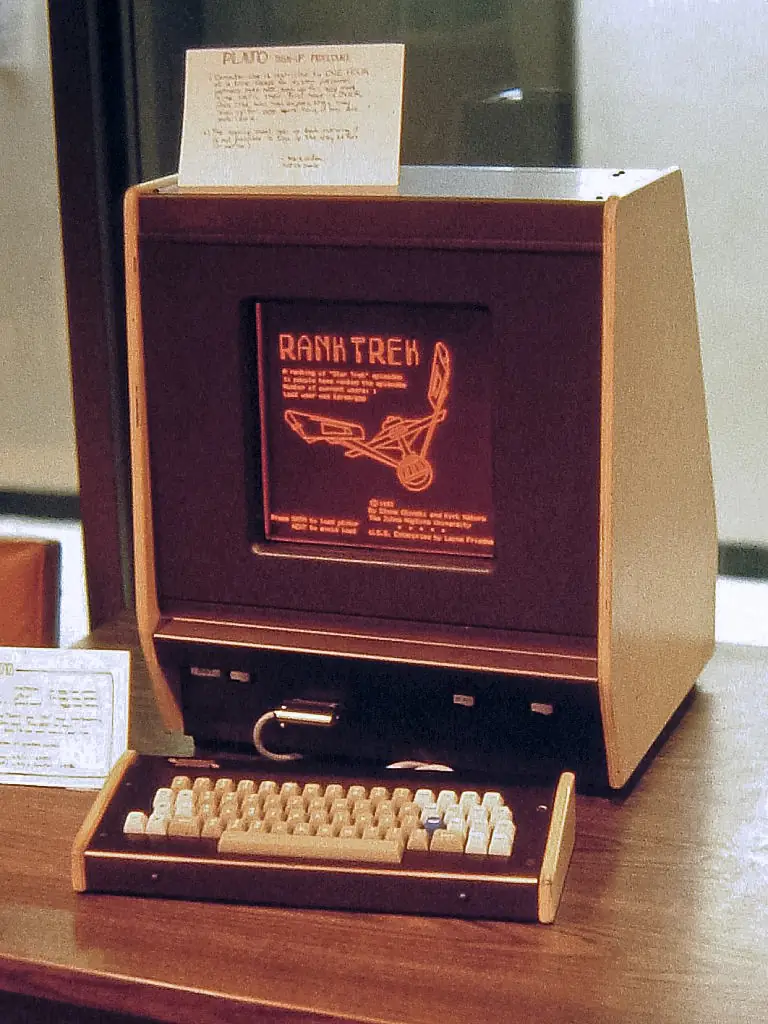
PLATO IV infrared touch panel
A 16x16 grid of infrared beams over the screen finds where a finger breaks them, so students answer by touching the display.
Image: Mtnman79 [1] · CC BY 3.0 · Wikimedia Commons - 1973
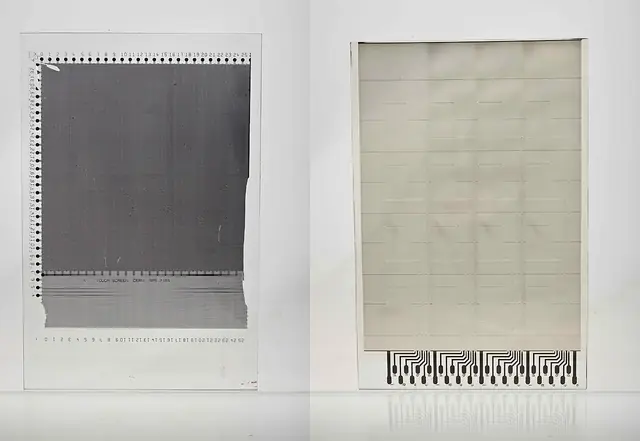
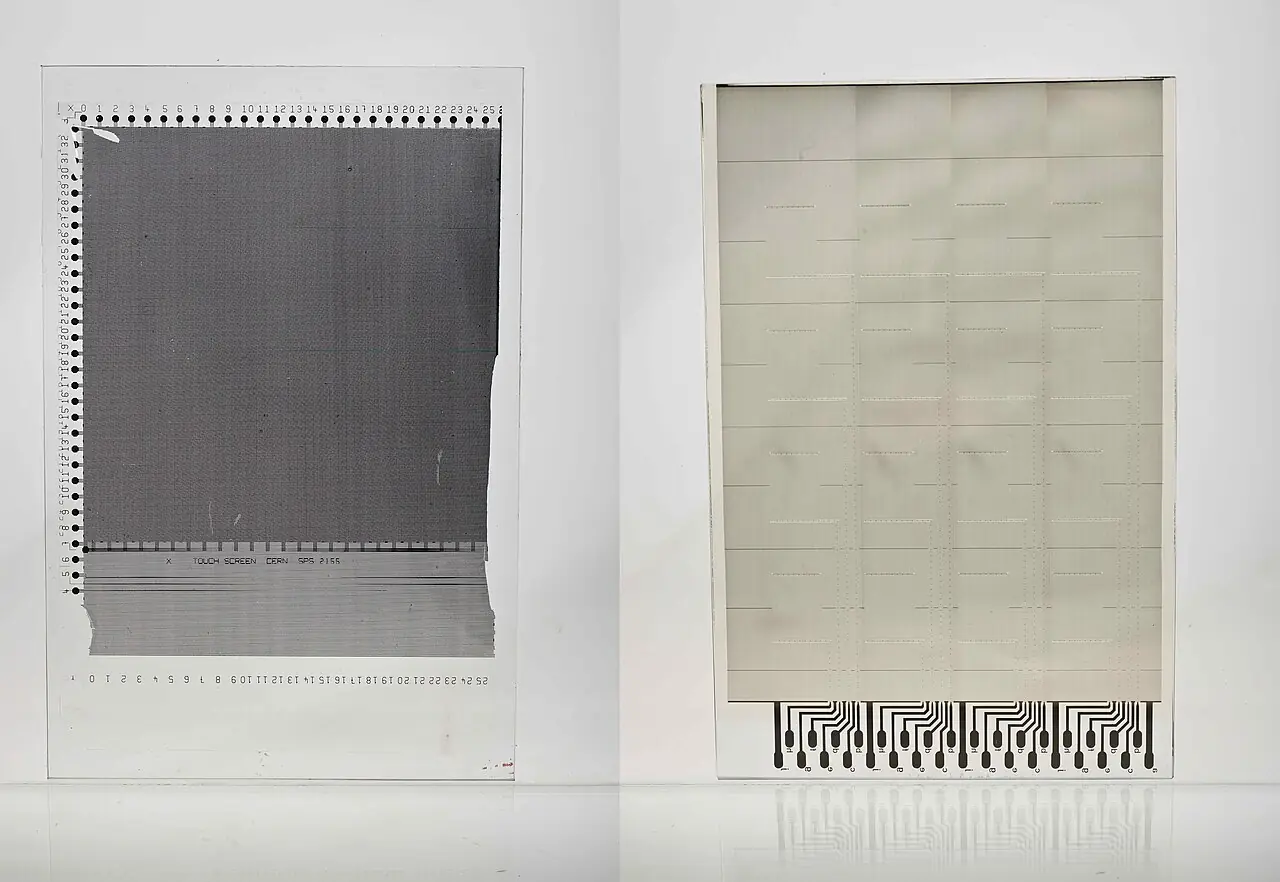
CERN capacitive touchscreen
Stumpe and Beck's self-capacitance screens run CERN control rooms; mutual capacitance follows in 1977.
Image: Maximilien Brice · CC BY 2.0 · Wikimedia Commons - 1975
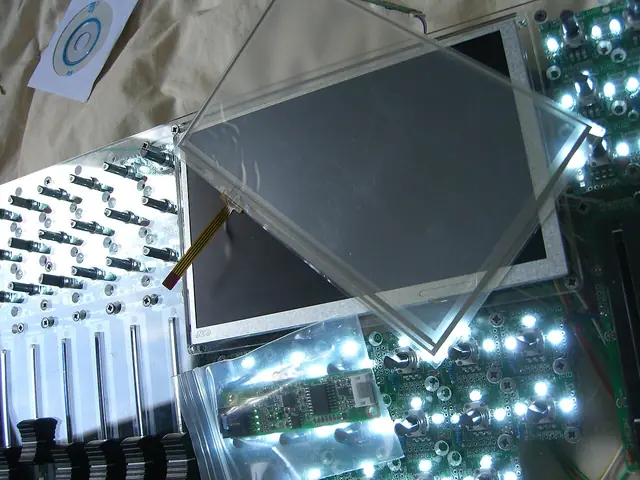
Hurst resistive (Elographics)
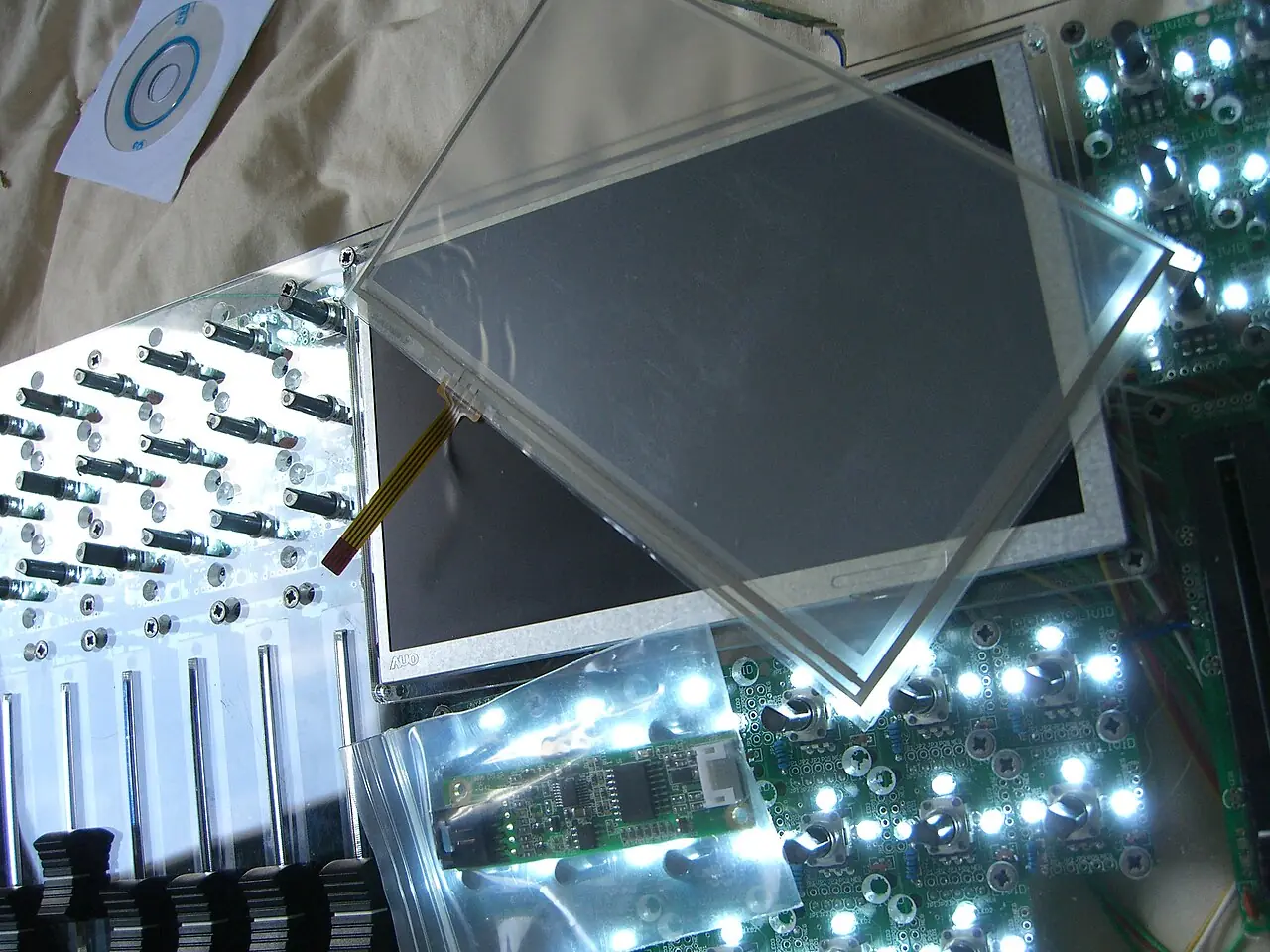
Pressure-based resistive sensing works with any finger or stylus; transparent ITO versions follow.
Image: c-g. · CC BY 2.0 · Wikimedia Commons - 2007
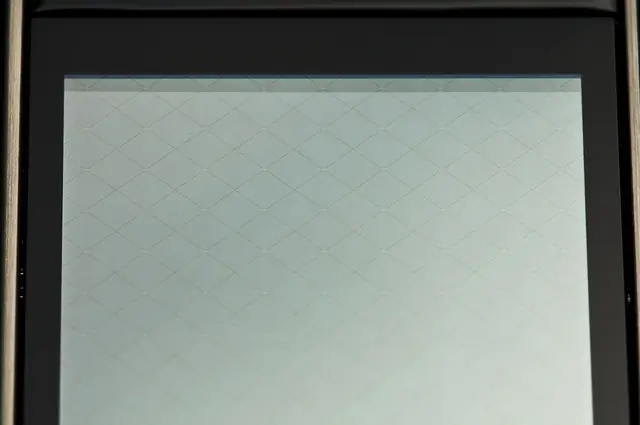
Projected-capacitive multi-touch
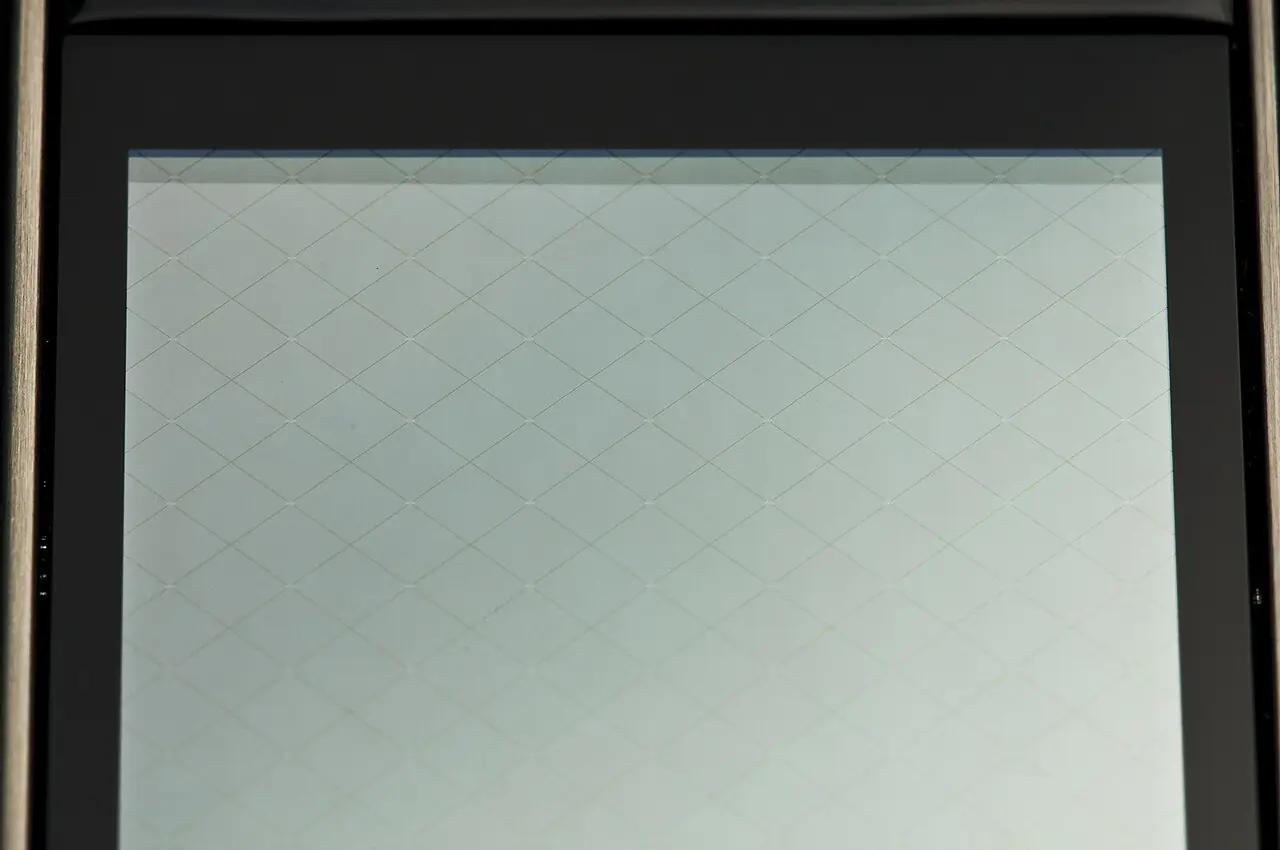
Multi-finger glass touchscreens go mass-market in phones.
Image: Medvedev · CC BY 3.0 · Wikimedia Commons


Contested: Johnson's 1965 capacitive work usually comes first, but CERN (Stumpe/Beck, 1972–73) and Hurst's resistive screens (1971–1977) have rival 'first' claims.