Data cards: magnetic stripe to smart card
Plastic cards that carry machine-readable data, first on a magnetic stripe and then on a chip; they made bank, ID, transit and SIM cards work everywhere.
- 1960
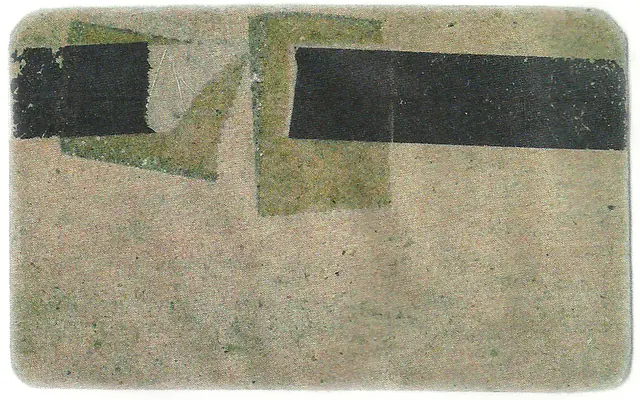
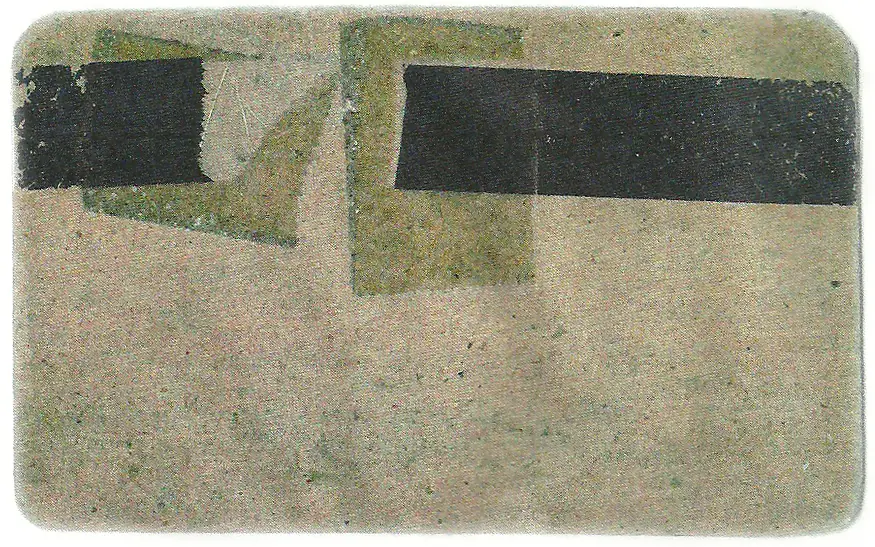
First version
Forrest Parry (IBM), magnetic stripe; Helmut Gröttrup, Jürgen Dethloff, Kunitaka Arimura and Roland Moreno, chip card
Image: Jerome Svigals · CC BY 3.0 · Wikimedia Commons - 1971
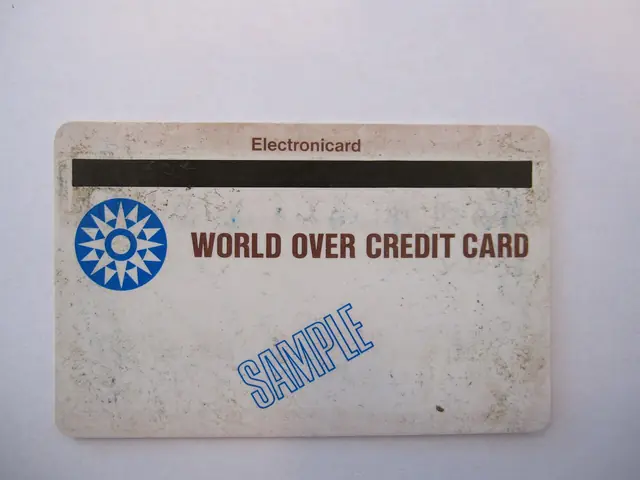
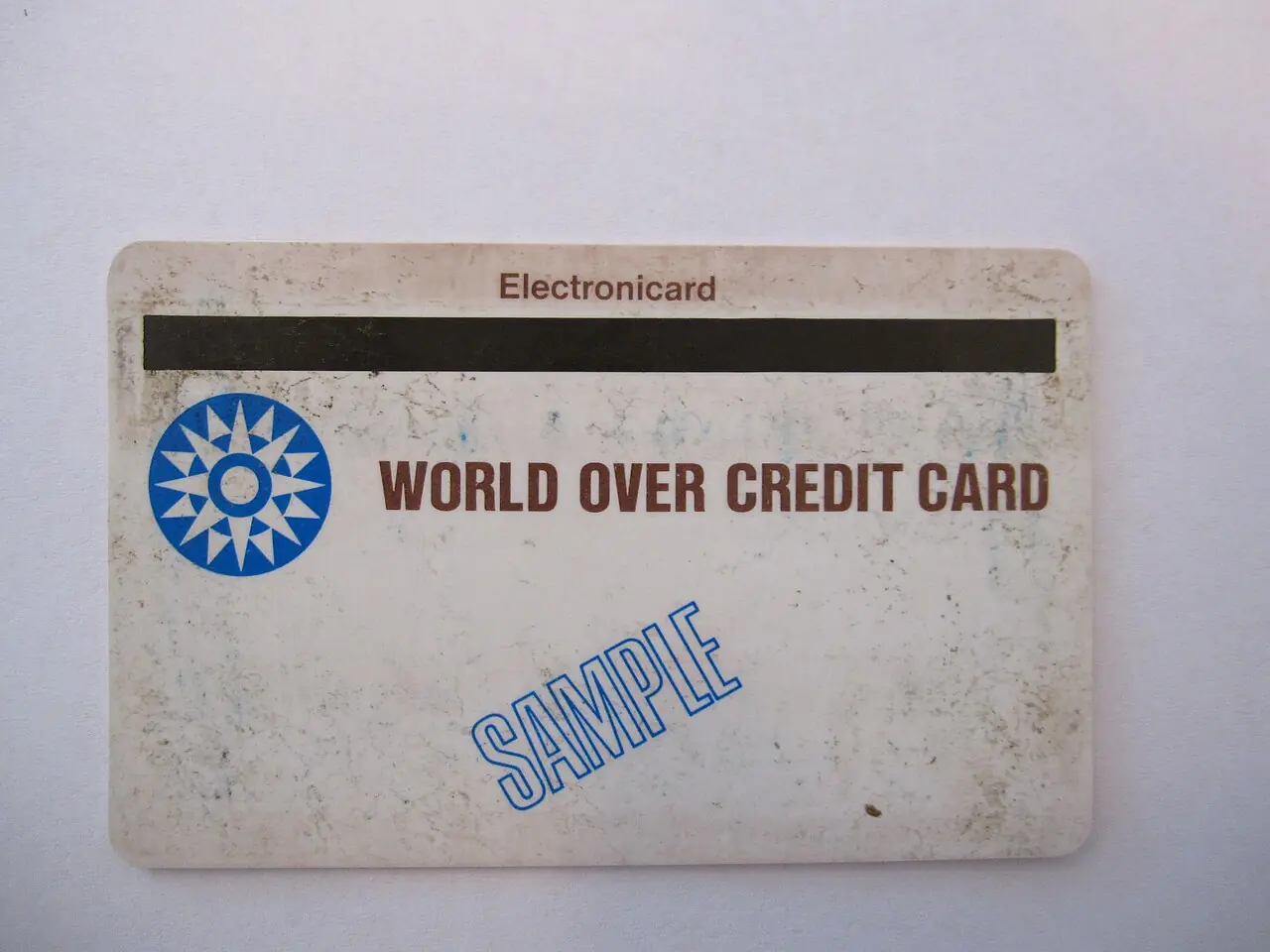
International magnetic-stripe standard
IBM's stripe layout, a US standard since 1969, becomes international, so bank and airline cards can be read anywhere.
Image: Arthahn · CC BY-SA 3.0 · Wikimedia Commons - 1977
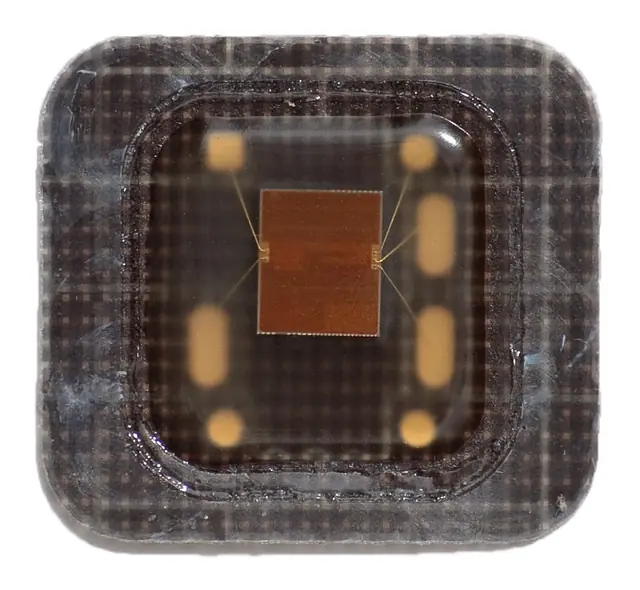
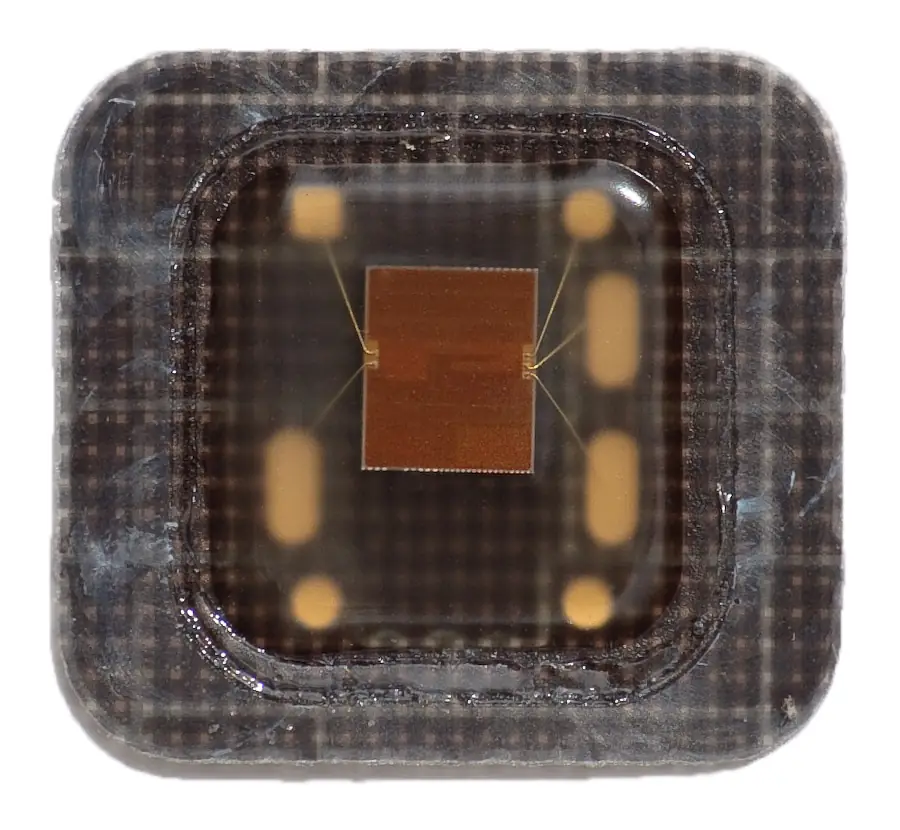
Microprocessor smart card (Bull)
Michel Ugon at Honeywell Bull puts a microprocessor on the card, so it can run its own security checks.
Image: jailbird · CC BY-SA 3.0 de · Wikimedia Commons - 1994
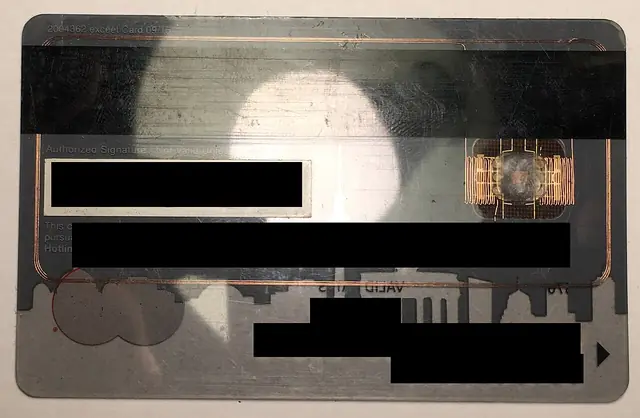
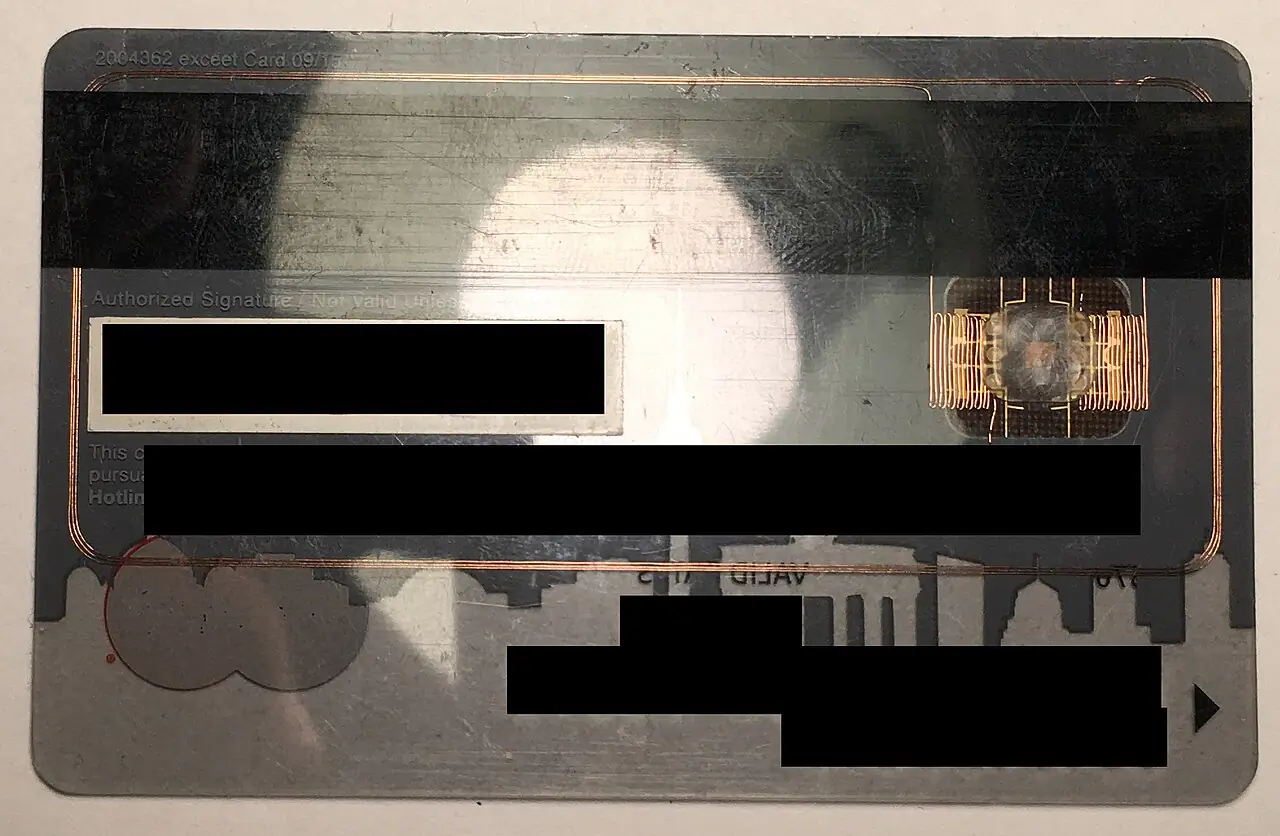
EMV chip payment specification
Europay, Mastercard and Visa publish one chip-card payment standard, now the global basis of card payments.
Image: iToms · CC BY-SA 3.0 de · Wikimedia Commons


Contested: Chip-card priority is disputed: Gröttrup filed German patents in 1967 and, with Dethloff, further patents in 1968; Arimura filed in Japan in 1970; Moreno's 1974 French patent is the one usually credited in France.