Laser (to the semiconductor laser diode)
A source of intense, single-colour, coherent light; the light source of fibre-optic links and the reader in optical discs, barcode scanners and laser printers.
- 1960
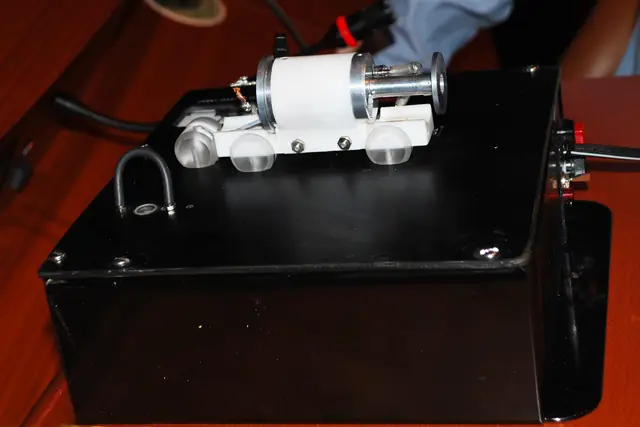
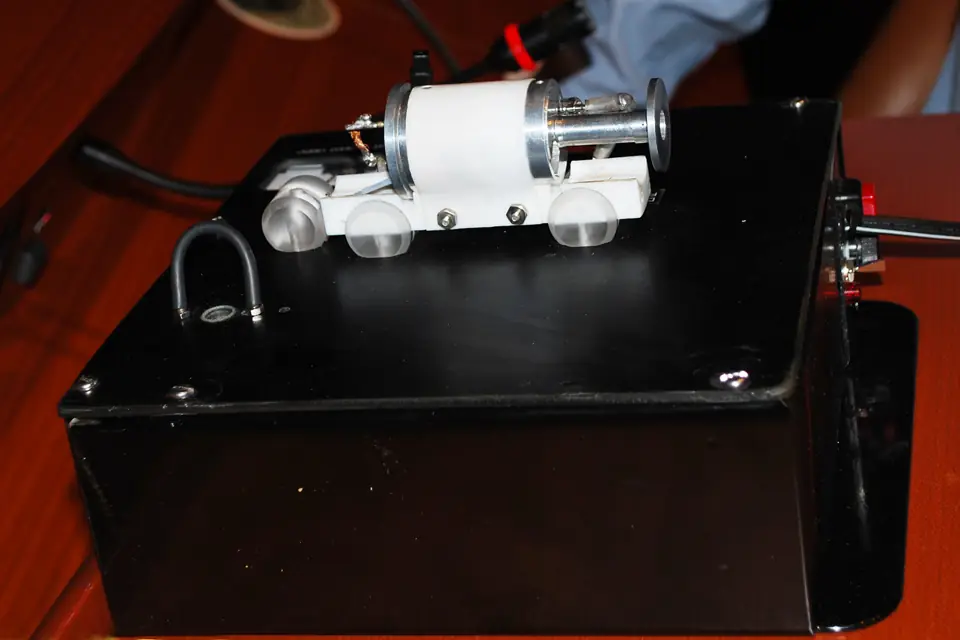
First version
Theodore Maiman (Hughes Research Laboratories); theory by Charles Townes and Arthur Schawlow (Bell Labs) and Gordon Gould
Image: Guy Immega · CC0 · Wikimedia Commons - 1962
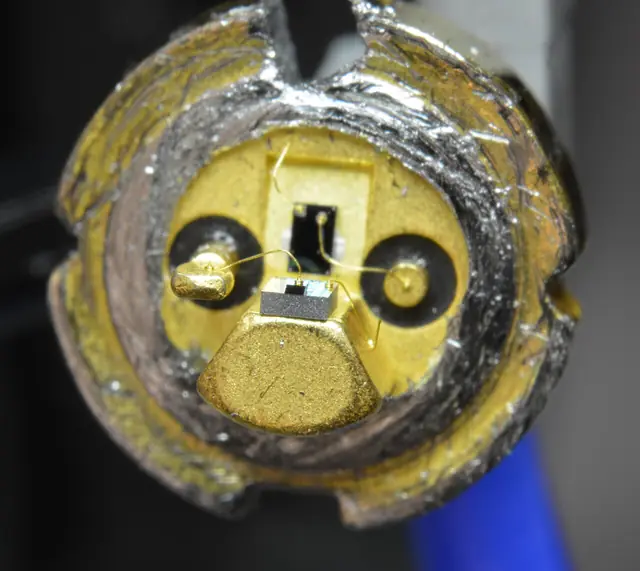
Semiconductor laser diode
Robert Hall's team at GE and Marshall Nathan's at IBM get laser light from a gallium-arsenide junction, shrinking the laser to a tiny electronic part.
Image: John Maushammer · CC BY-SA 3.0 · Wikimedia Commons - 1964
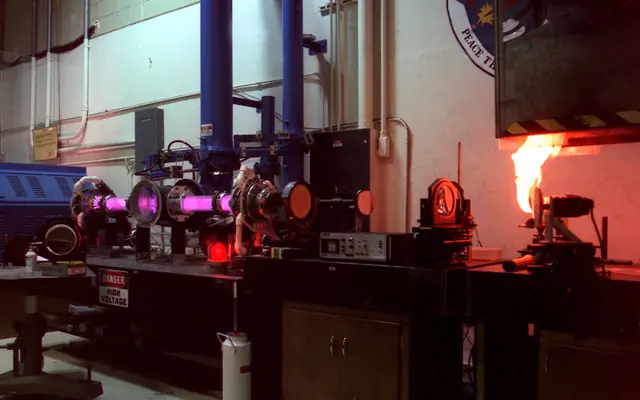
CO2 laser
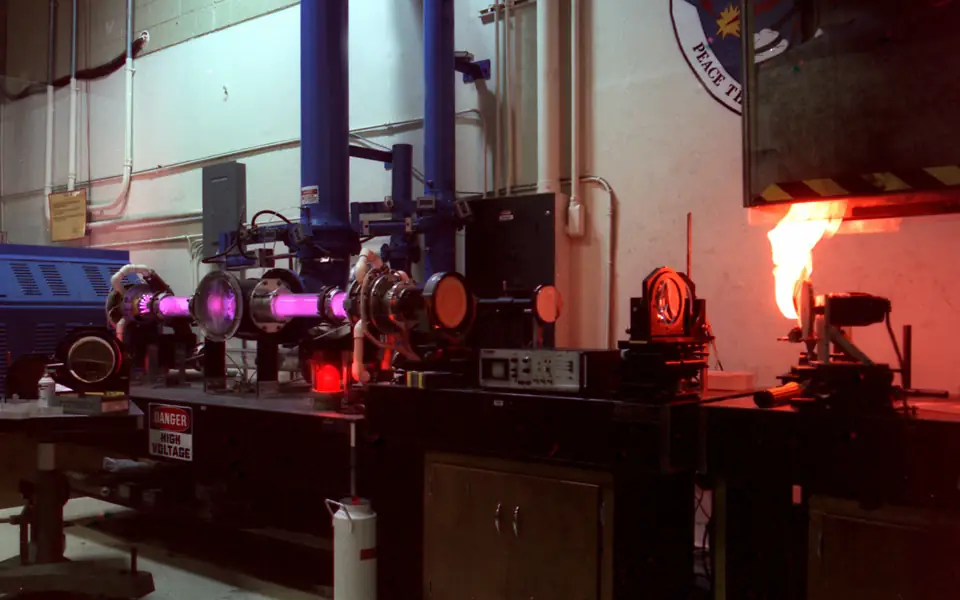
Kumar Patel at Bell Labs builds a high-power infrared gas laser, opening industrial cutting and welding.
Image: Unknown author · Public domain · Wikimedia Commons - 1970
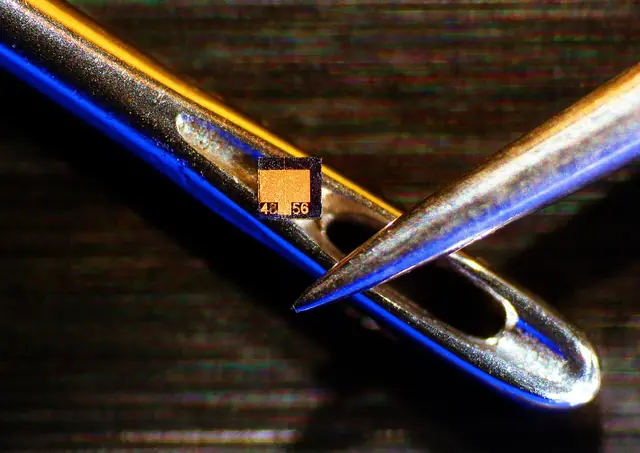
Continuous-wave double-heterostructure laser diode
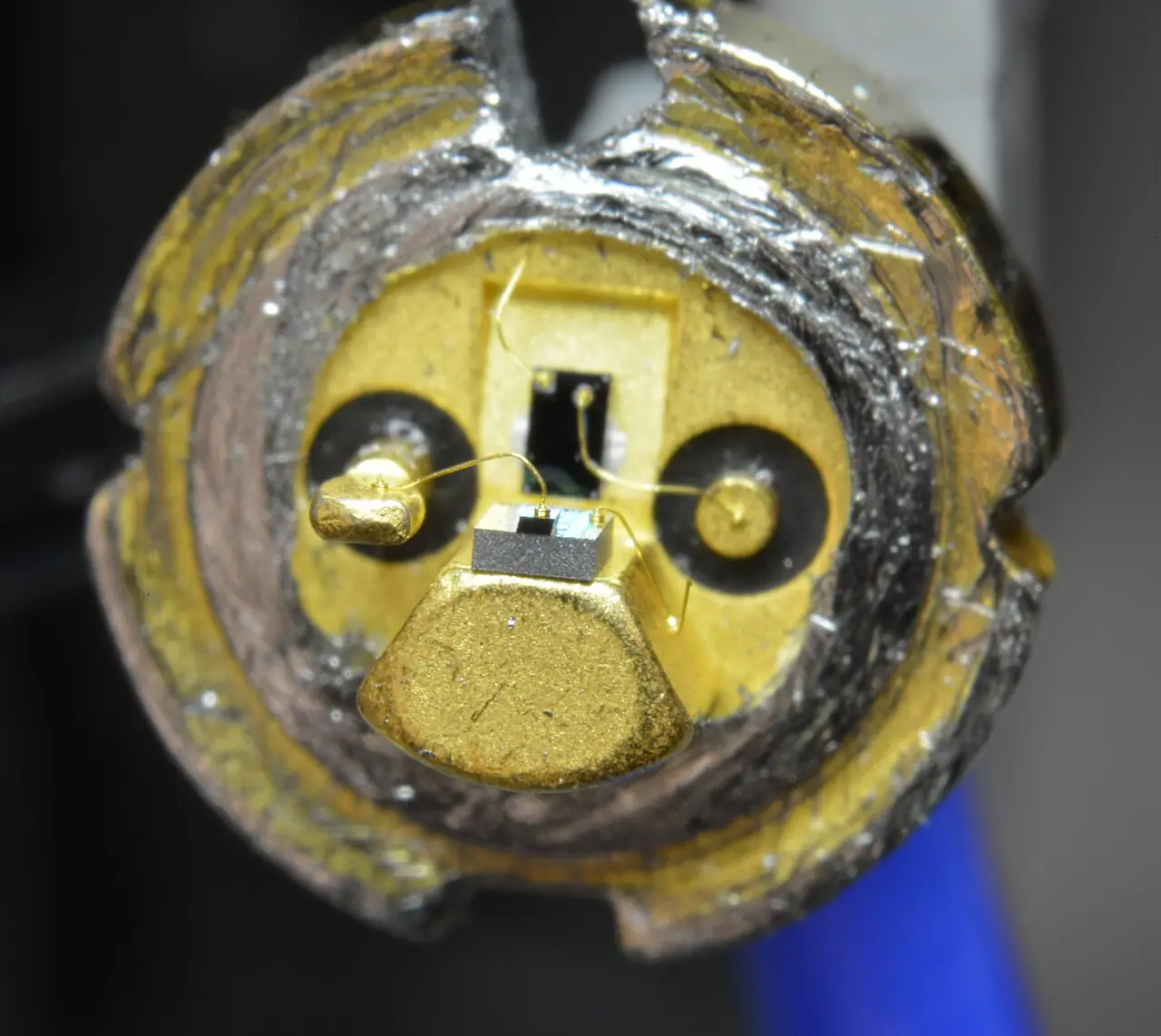
Zhores Alferov's team, and Izuo Hayashi and Morton Panish at Bell Labs, make diode lasers run continuously, enabling practical fibre-optic transmitters and CD players.
Image: Unknown author · Public domain · Later example (NASA/JPL laser-diode chip, c. 2000), not the 1970 original · Wikimedia Commons - 1988

Vertical-cavity surface-emitting laser (VCSEL)
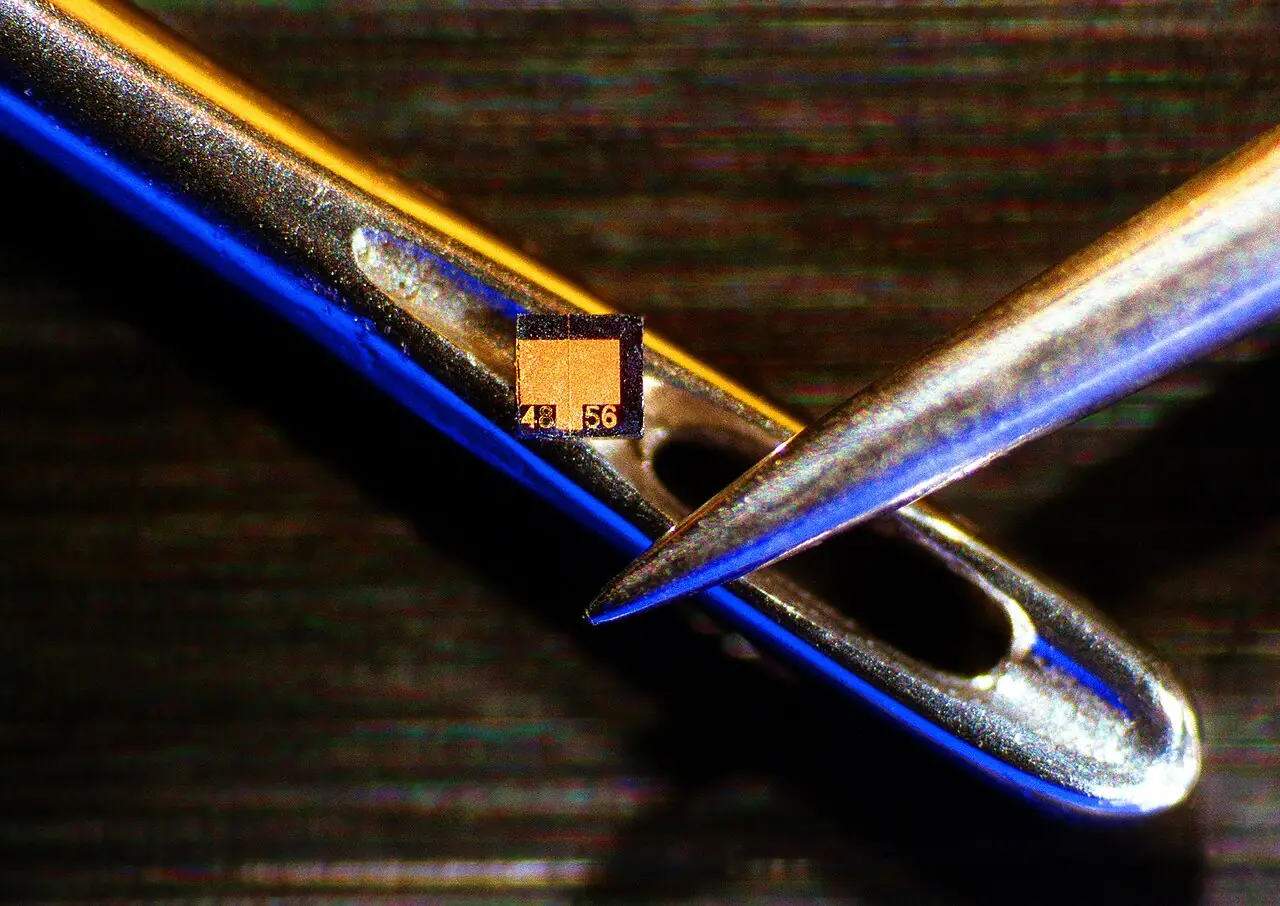
Kenichi Iga's surface-emitting design runs continuously at room temperature; cheap, wafer-tested VCSELs later drive data-centre fibre links and phone face recognition.
Image: Tokyo Institute of Technology · Fair use (en.wikipedia non-free logo); … · English Wikipedia



Contested: Townes and Schawlow (Bell Labs) published and patented the optical-maser idea in 1958, but Gordon Gould's 1957 notebook coined 'laser' and sketched a design; Gould fought a 28-year patent battle and won his first laser patent in 1977. Maiman built the first working laser in May 1960.