Radar (radio detection and ranging)
Sends out radio pulses and times their echoes to find the distance and direction of aircraft, ships and storms; decisive in the Second World War and now used in air-traffic control, weather forecasting and cars.
- 1935
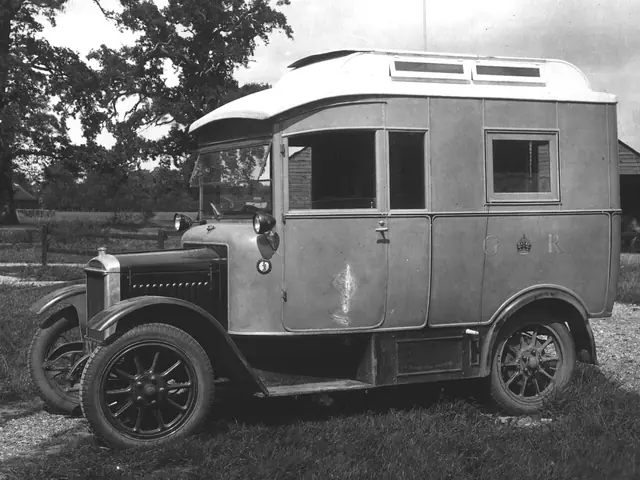
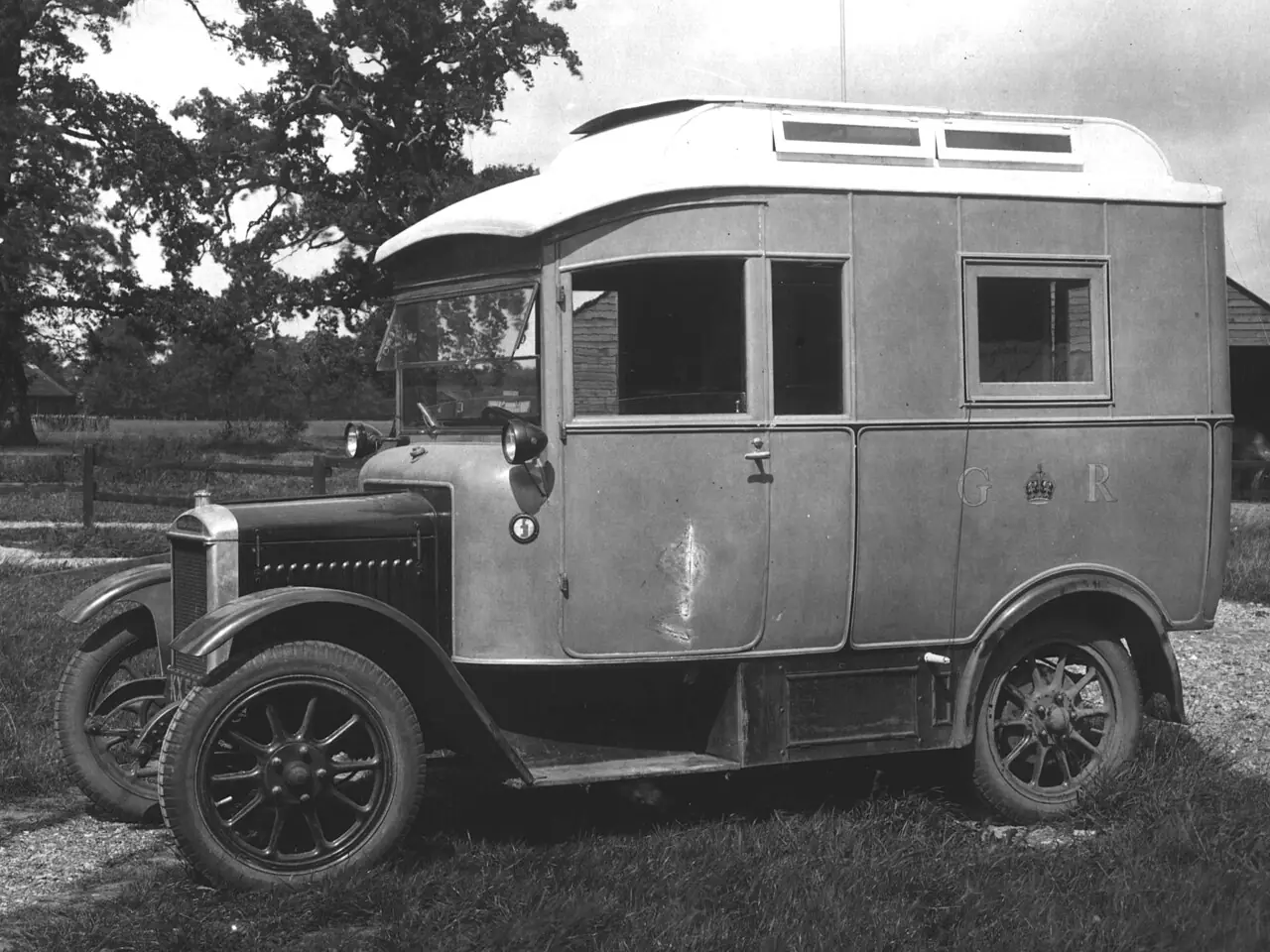
First version
Robert Watson-Watt and Arnold Wilkins (UK); Robert Page, Leo Young and A. Hoyt Taylor (US Naval Research Laboratory)
Image: Arnold Wilkins · Public domain · Wikimedia Commons - 1943
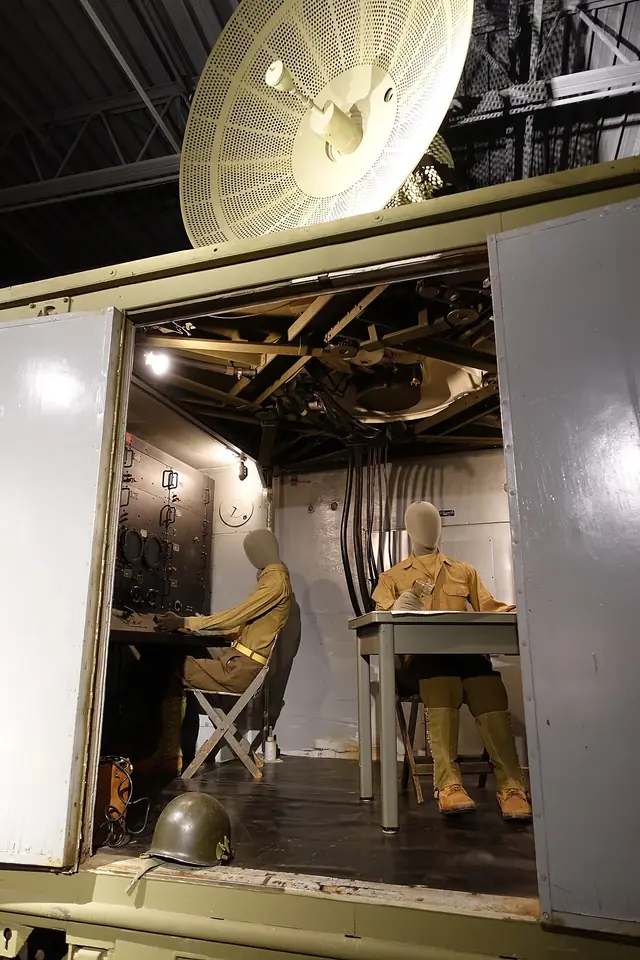
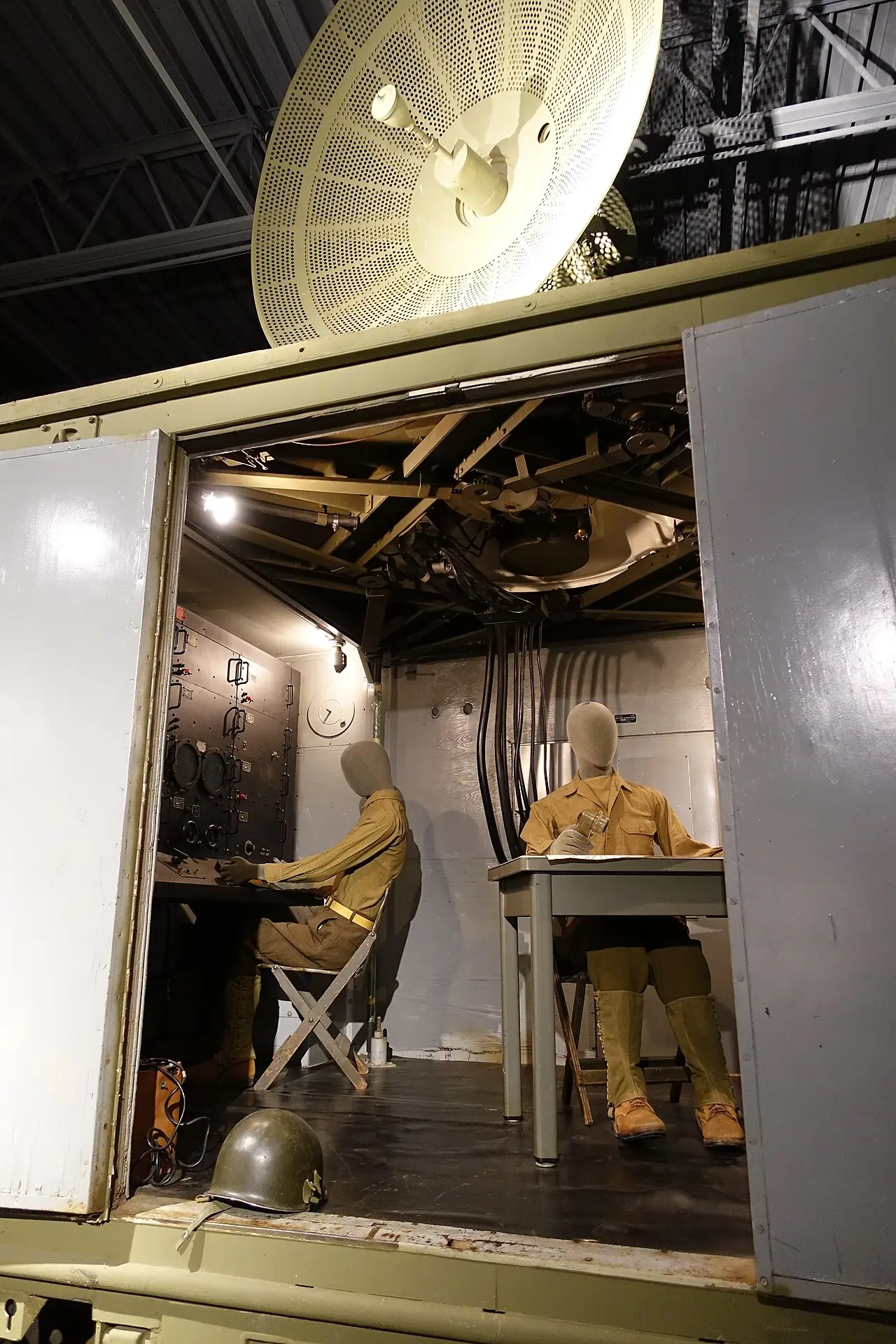
Microwave auto-tracking radar (SCR-584)
Cavity-magnetron microwaves at 10 cm give a narrow, accurate beam, and servo motors keep the antenna locked on a target to aim guns automatically.
Image: Daderot · CC0 · Wikimedia Commons - 1951
Synthetic-aperture radar (SAR)
Carl Wiley at Goodyear uses the aircraft's own motion to synthesise a huge antenna, producing photo-like images through cloud and darkness.
Image: Goodyear Aircraft Corporation · Public domain · Wikimedia Commons - 1969
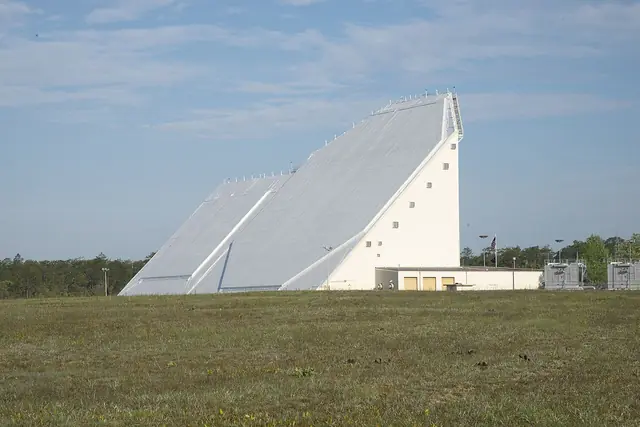
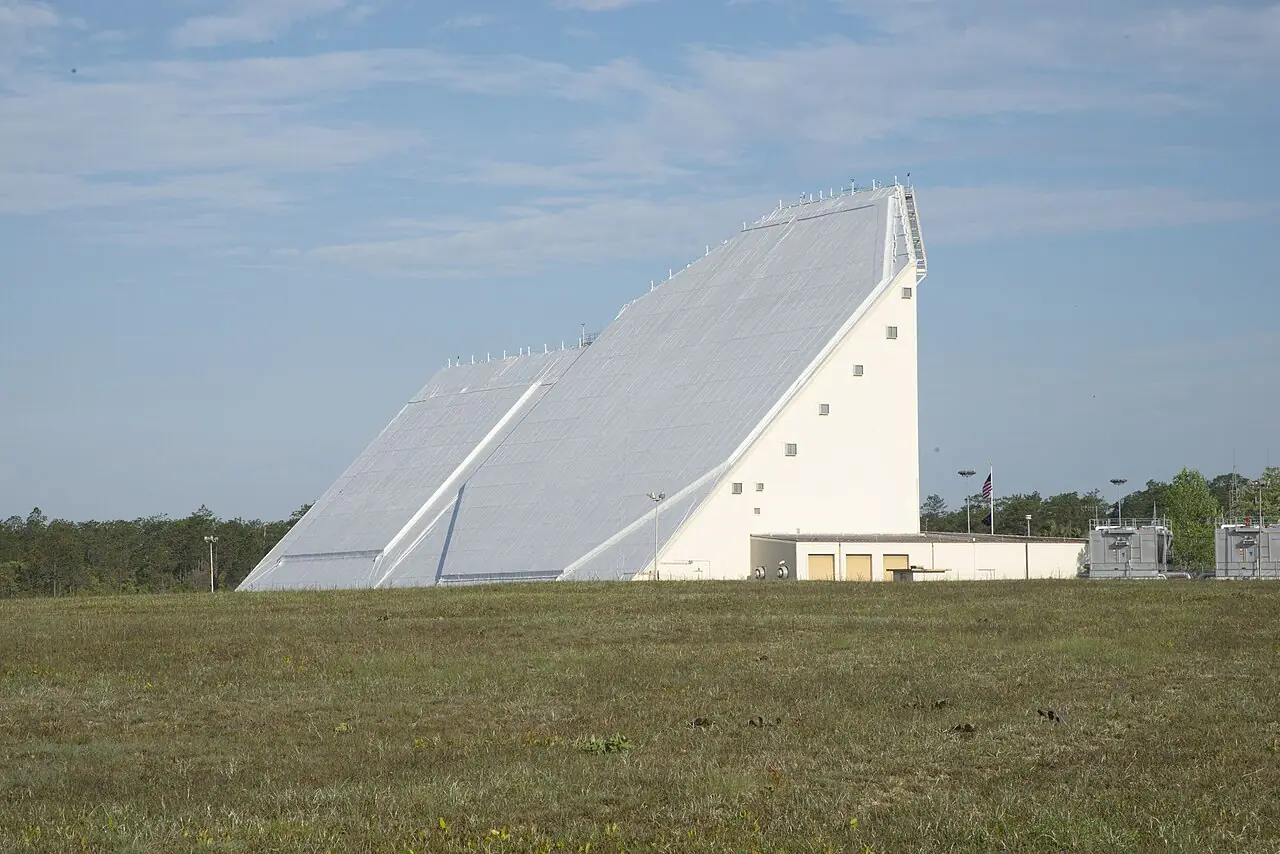
Large phased-array radar (AN/FPS-85)
Thousands of fixed antenna elements steer the beam electronically, tracking many objects at once with no moving dish.
Image: U.S. Space Force image by Staff Sgt. Emily Kenney · Public domain · Wikimedia Commons - 1998
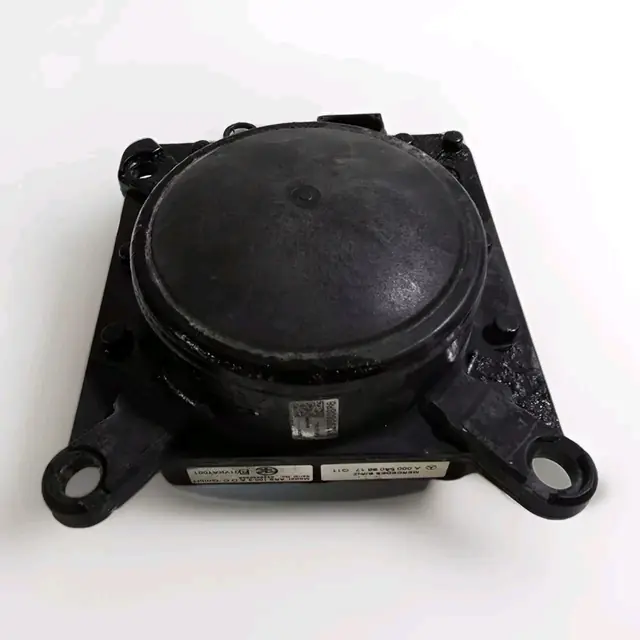
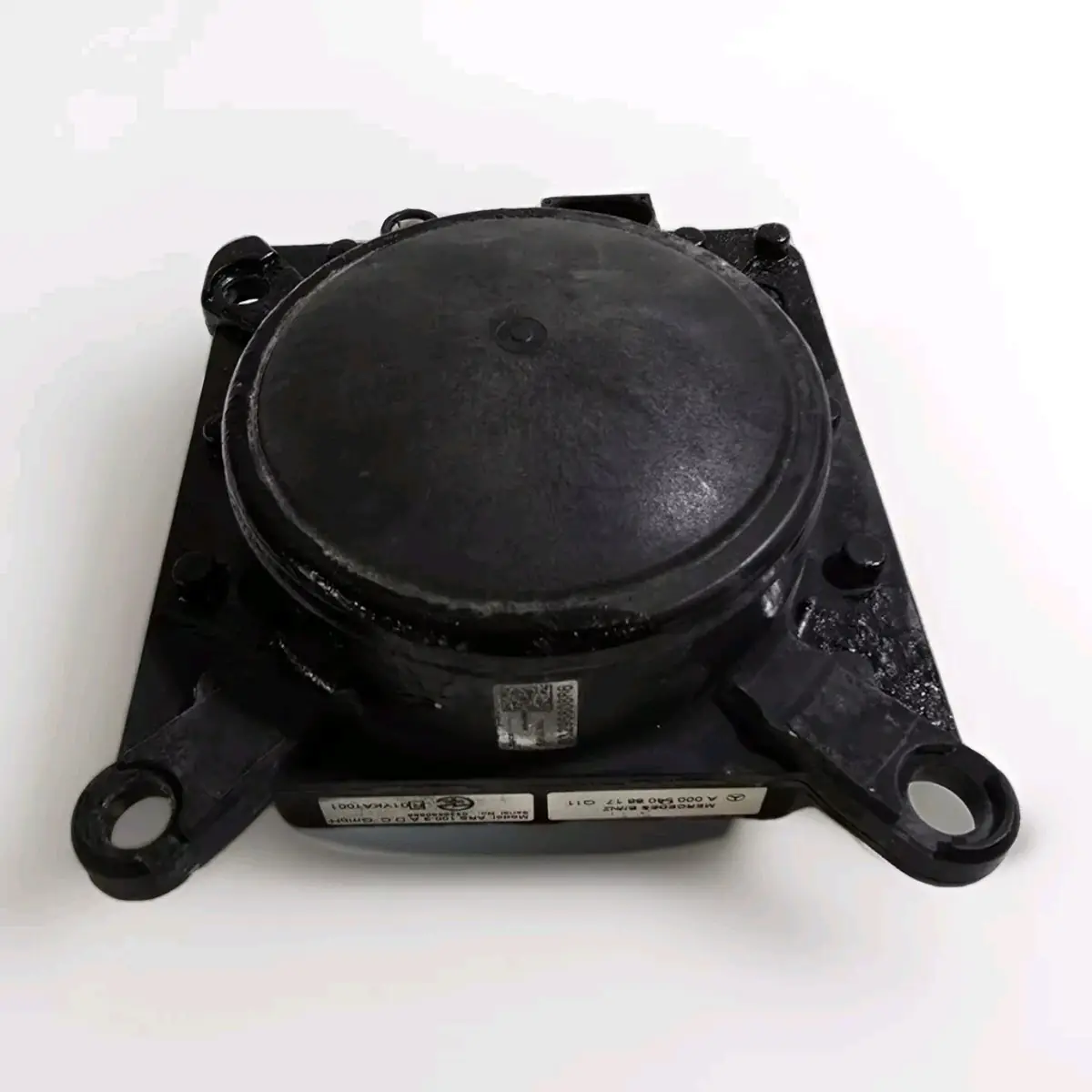
Automotive radar (Mercedes-Benz Distronic)
A 77 GHz radar in the S-Class keeps a set distance to the car ahead, turning radar into a mass-market sensor for driver assistance.
Image: see source page · Unclear; no qualifying reuse licence is… · www.ebay.co.uk


Contested: Christian Hülsmeyer demonstrated a ship-detecting 'telemobiloscope' in 1904, and the US Naval Research Laboratory detected an aircraft with pulsed radar in December 1934, months before Britain's first pulse echoes at Orford Ness in June 1935. Several countries developed radar independently and in secret in the 1930s.