Video calling and videoconferencing
Seeing the other person while talking, from experimental videophones to calls on every phone and web browser; it became everyday infrastructure during the 2020 pandemic.
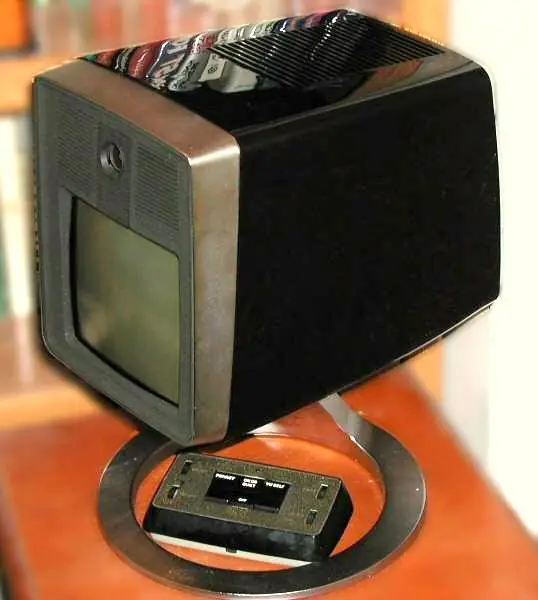
- 1930
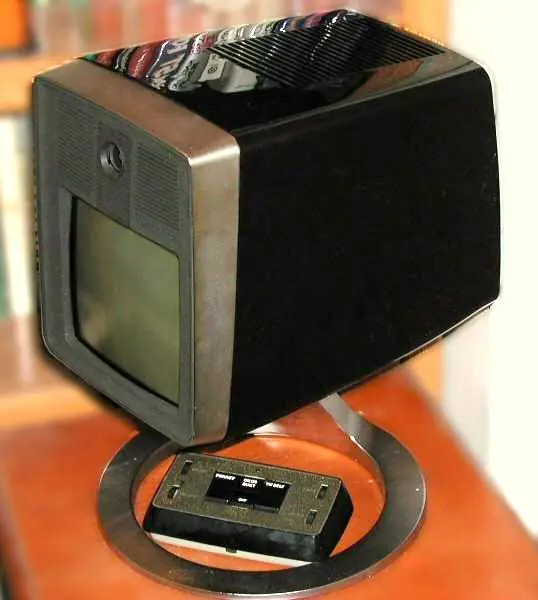
First version
AT&T Bell Telephone Laboratories (first public two-way demonstration)
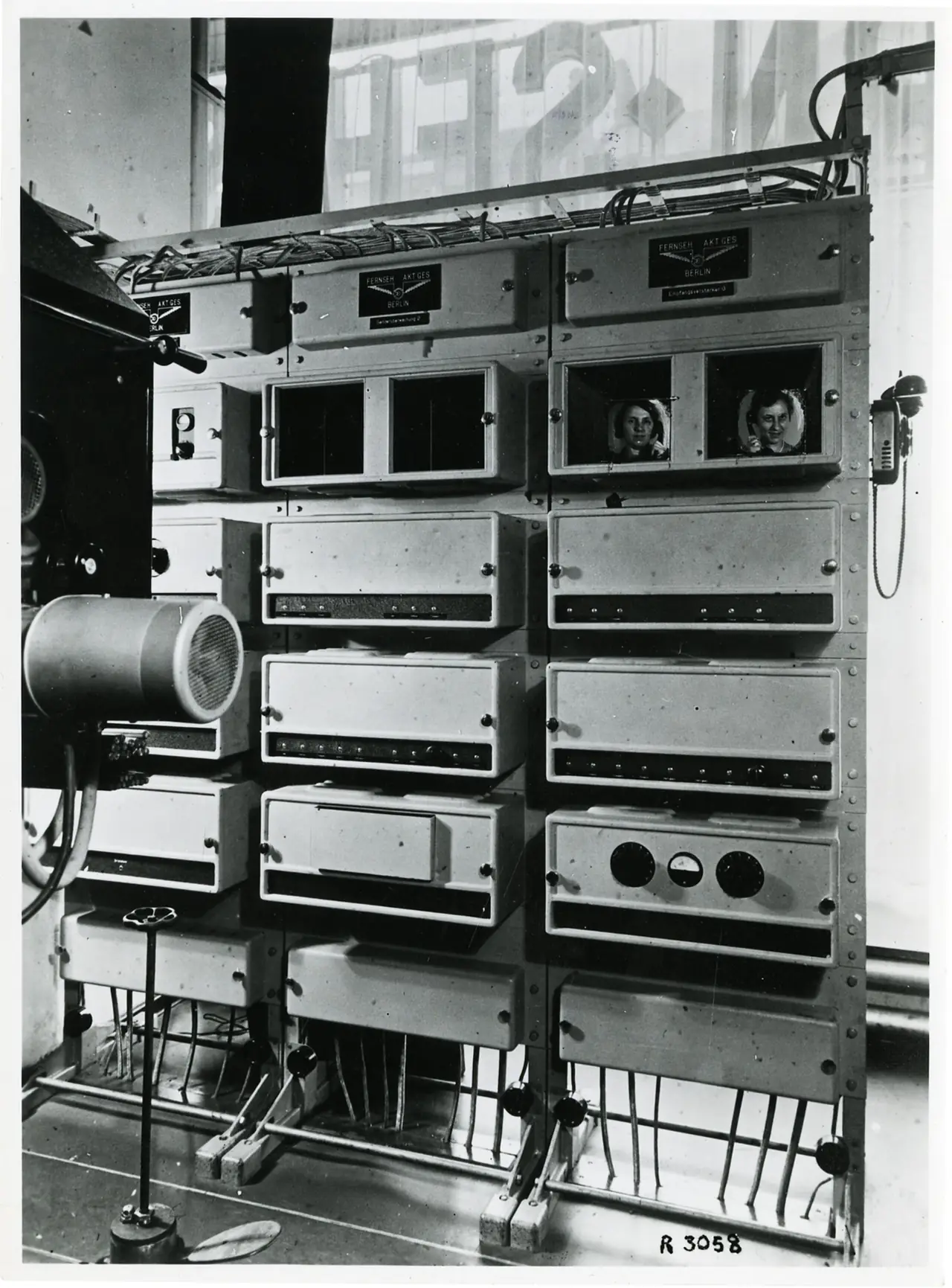
Image: Labguy, a.k.a. Richard Diehl · CC BY 3.0 · Wikimedia Commons - 1936
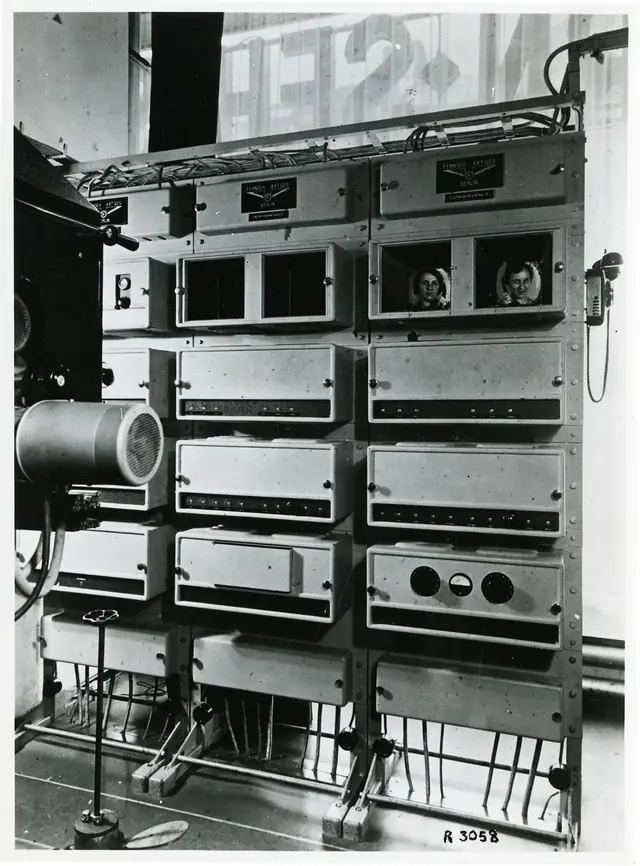
Public videophone network (Germany)
The German post office links Berlin and other cities with coaxial-cable video-telephone booths, the first public video-calling service (until 1940).
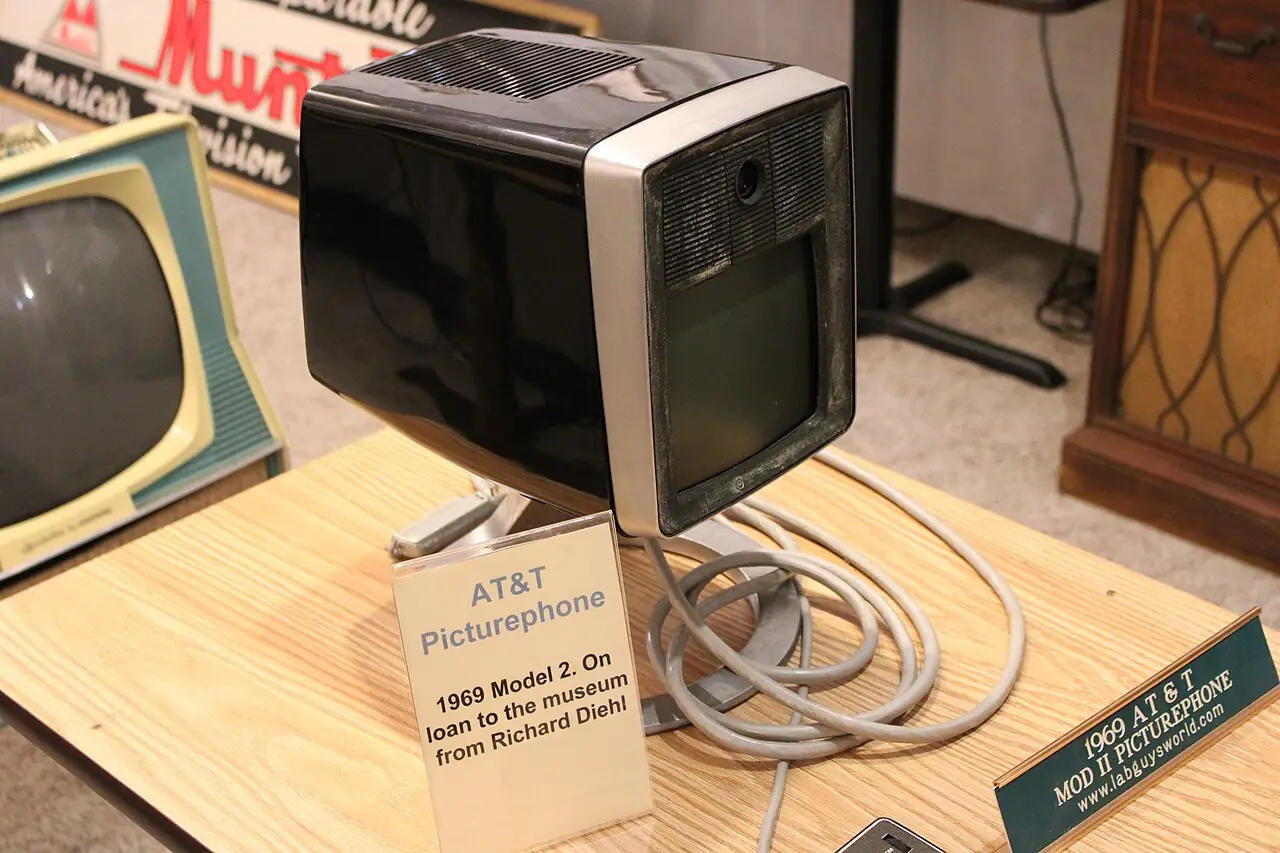
Image: Deutsche Reichspost, Reichspostzentralamt, Bildstelle · CC BY-SA 4.0 · Museumsstiftung Post und Telekommunikation - 1970
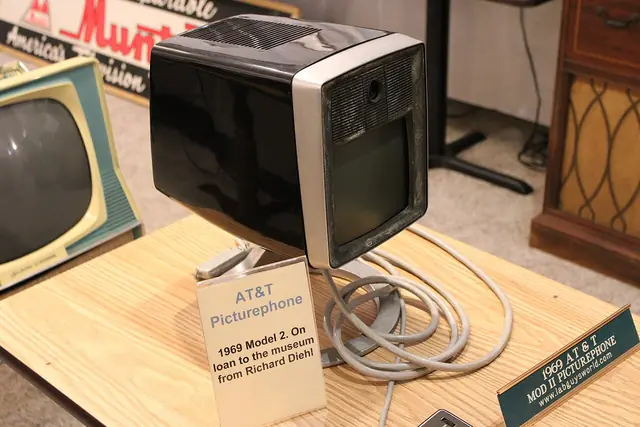
AT&T Picturephone service
First shown at the 1964 New York World's Fair, the first commercial personal videophone service launches but fails commercially.
Image: DogsRNice · CC BY-SA 4.0 · Wikimedia Commons - 1992

Internet video conferencing (CU-SeeMe)
Cornell's CU-SeeMe sends live video over the internet from ordinary desktop computers, moving video calls off dedicated phone circuits.
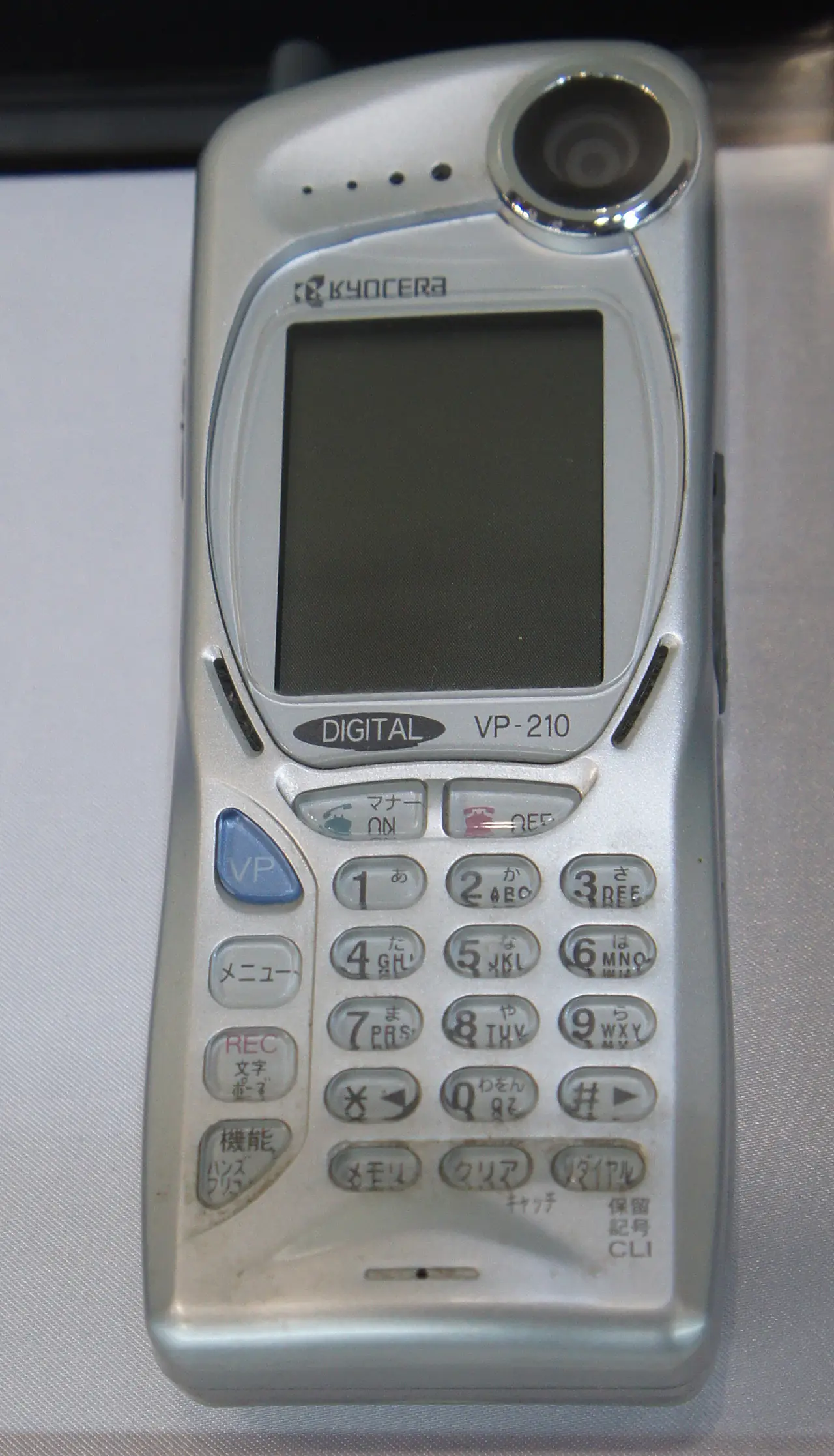
Image: UnifiedFunctionality · Public domain · Wikimedia Commons - 1999
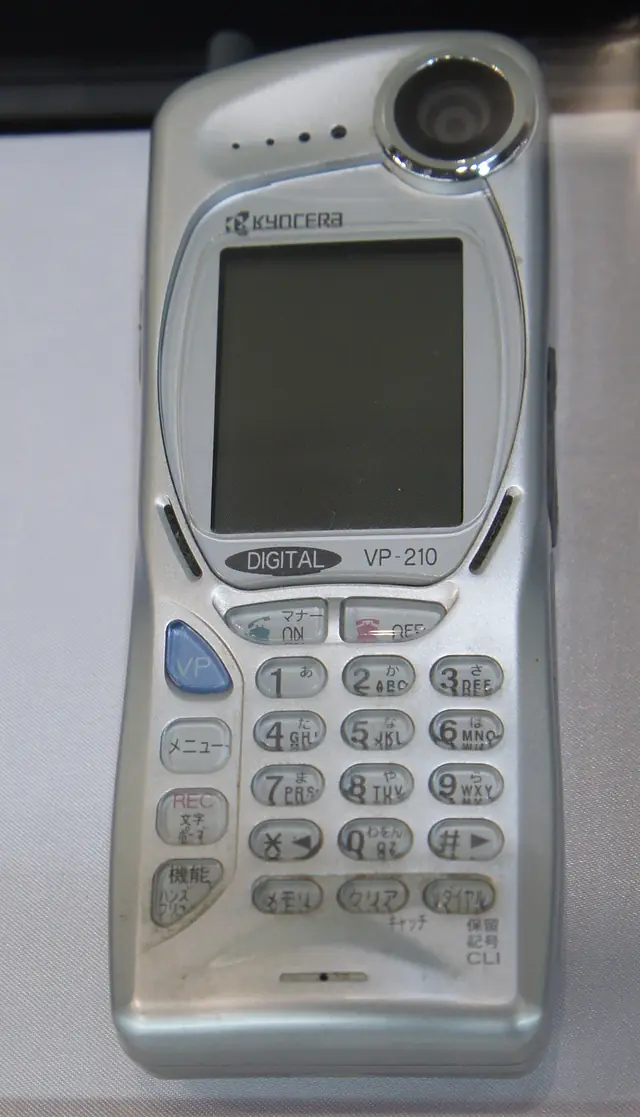
Mobile videophone (Kyocera VP-210)
Kyocera releases the first mobile colour videophone, with a front camera for two-way video on the move.
Image: Morio · CC BY-SA 3.0 · Wikimedia Commons - 2011

Video calls in the browser (WebRTC)
Google open-sources WebRTC, letting web pages make real-time audio and video calls without plug-ins; it becomes a W3C standard in 2021.
Image: WebRTC project authors · BSD · Wikimedia Commons