Electronic design automation (EDA) and VLSI chip design
Software that lets engineers capture, simulate, check and lay out chip designs automatically and turn them into masks; without it, chips with billions of transistors could not be designed.
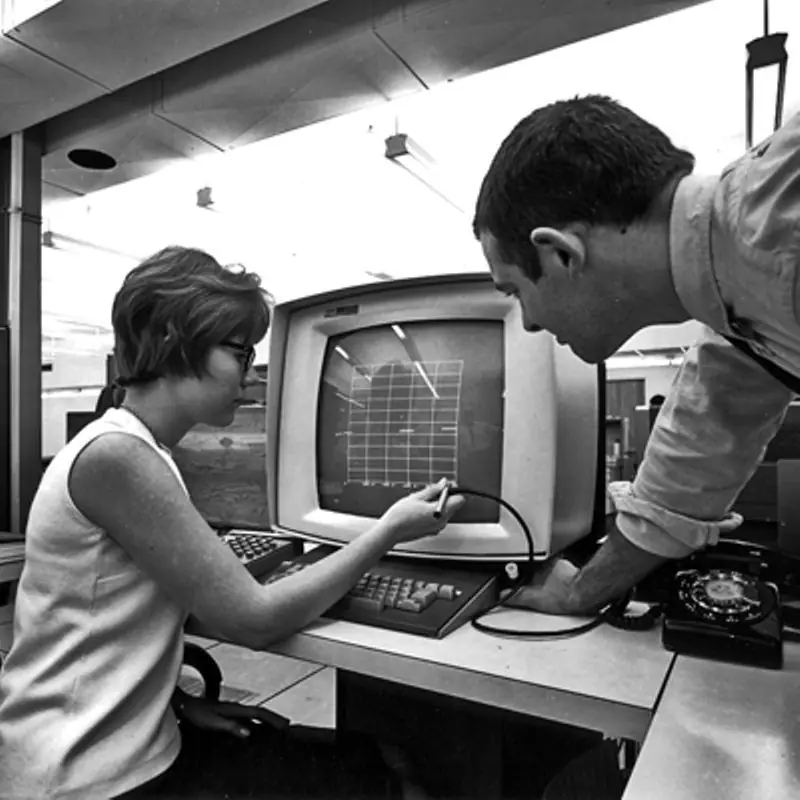
- 1966
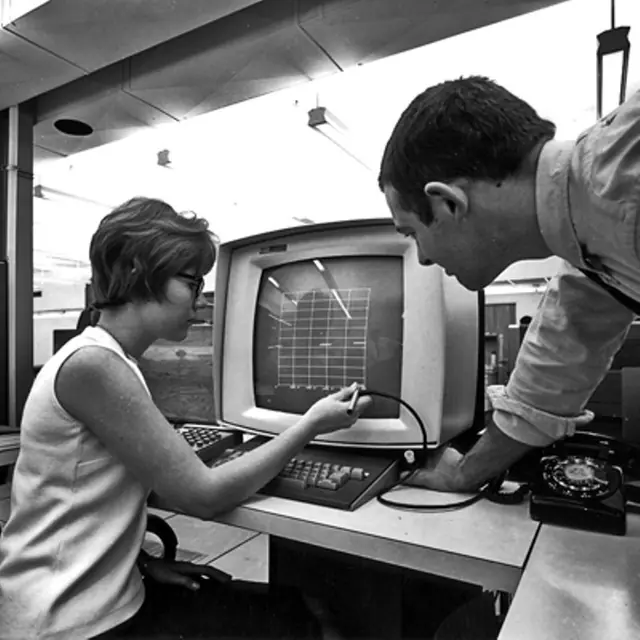
First version
James Koford and colleagues (IBM, then Fairchild); Larry Nagel and Donald Pederson (UC Berkeley); Carver Mead and Lynn Conway
Image: Fairchild Camera & Instrument Corporation (via Computer History Museum) · © Computer History Museum / Fairchild; … · Computer History Museum, Silicon Engine - 1973
SPICE circuit simulator
Berkeley's public-domain program predicts how a transistor circuit will behave before it is built; it becomes the world-standard IC simulator.
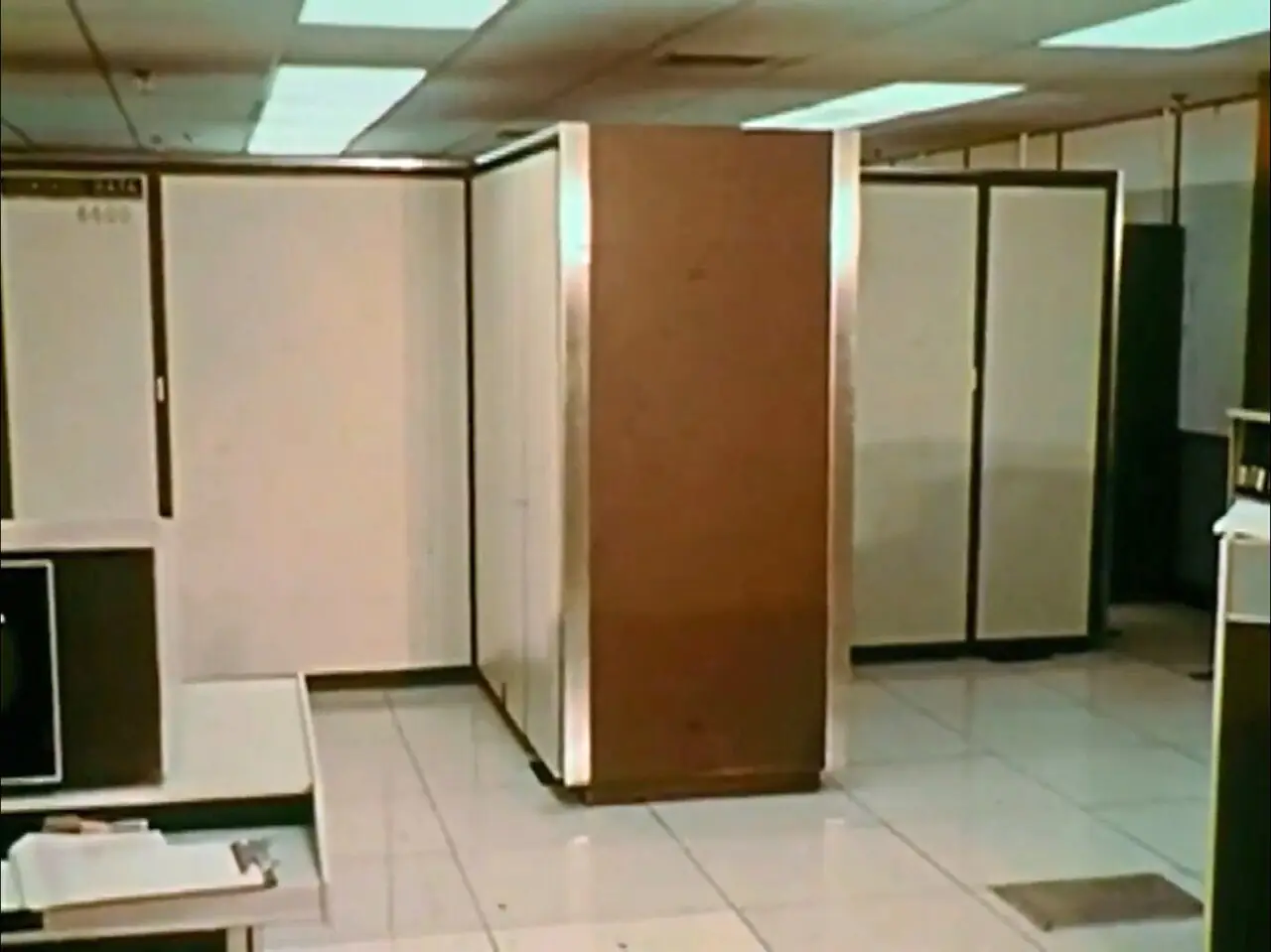
Image: US Navy · Public domain · Wikimedia Commons - 1979

Mead–Conway VLSI design method
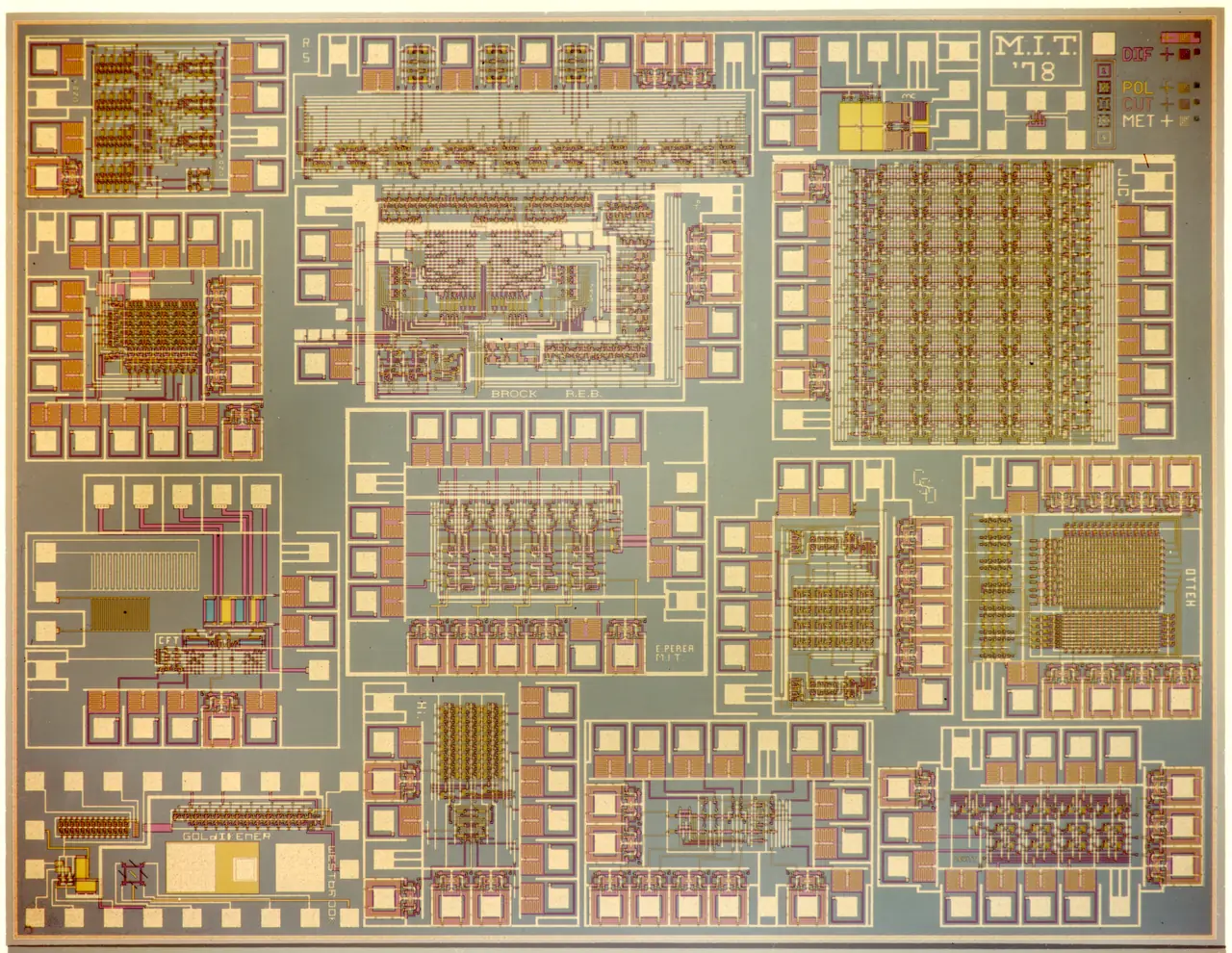
'Introduction to VLSI Systems' gives simple, portable design rules, so system designers, not only process experts, can design chips.
Image: Lynn Conway archive, University of Michigan · Unclear; no licence stated · Lynn Conway's VLSI archive - 1987

Commercial logic synthesis (Synopsys)
Synopsys (founded 1986, renamed 1987) makes logic synthesis its first product: software turns a high-level logic description into an optimised gate-level circuit.
Image: Unknown author · Public domain · Wikimedia Commons - 2020

AI-driven chip layout (AlphaChip)
Google says its reinforcement-learning floorplanner lays out chip blocks in hours instead of weeks and has been used on every TPU generation since 2020.
Image: Google DeepMind · Public domain · Wikimedia Commons