Electronic music synthesizer, MIDI and the digital audio workstation
Voltage-controlled synthesizers made sound itself programmable; MIDI then let instruments and computers talk, and the computer became the music studio.
- 1964
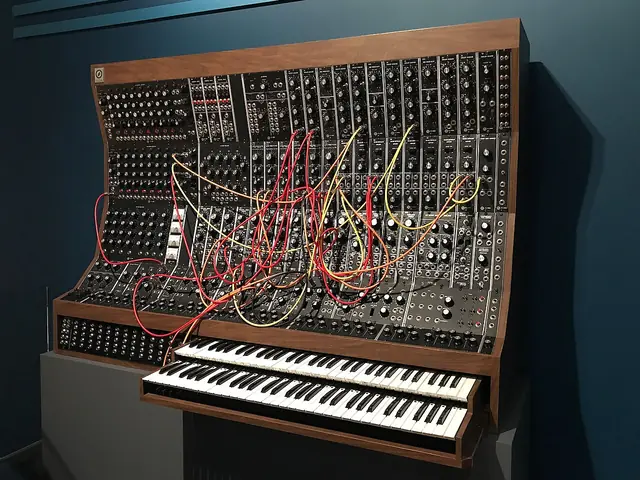
First version
Robert Moog (Moog synthesizer); later Dave Smith (Sequential Circuits) and Ikutaro Kakehashi (Roland) for MIDI; Evan Brooks and Peter Gotcher (Digidesign)
Image: sf-dvs · CC BY 2.0 · Wikimedia Commons - 1970

Minimoog
A compact, pre-wired synthesizer sold in music shops takes synthesis out of the lab and onto the stage.
Image: Andrew Russeth from New York, New York · CC BY-SA 2.0 · Wikimedia Commons - 1983
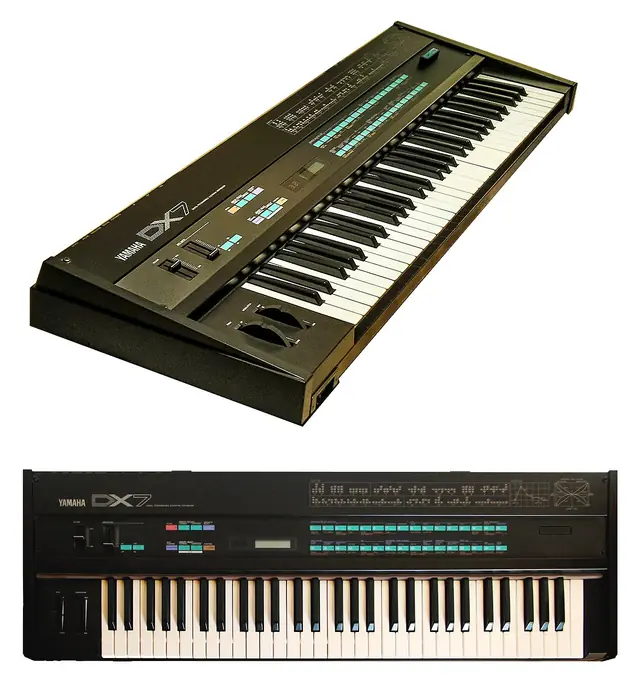
MIDI 1.0 (with the Yamaha DX7)
An open digital standard lets keyboards, drum machines and computers from any maker control each other; Yamaha's DX7, the first commercially successful digital synthesizer, ships with it.
Image: Yamaha DX7.jpg: Leo-setä Yamaha DX7 Table 4 f.jpg: iixorbiusii and Georgfotoart… · CC BY 4.0 · Wikimedia Commons - 1991

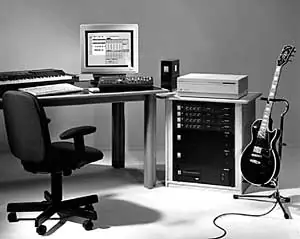
Pro Tools digital audio workstation
Multitrack recording and editing on a personal computer replaces tape; the computer becomes the recording studio.
Image: Digidesign (via Mix magazine online) · © Digidesign/Avid; no licence stated · Mix Online, '1991 Digidesign Pro Tools'
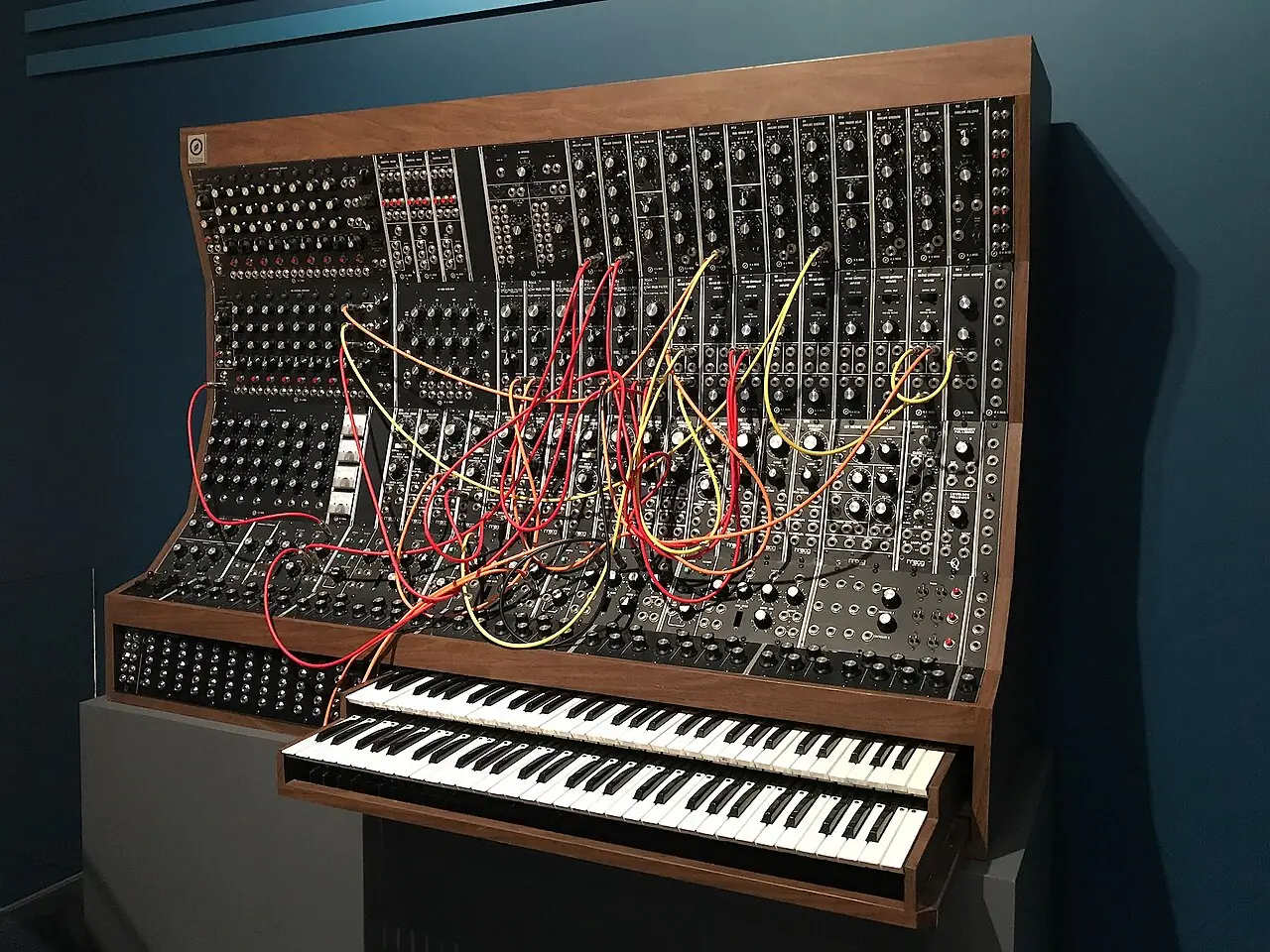

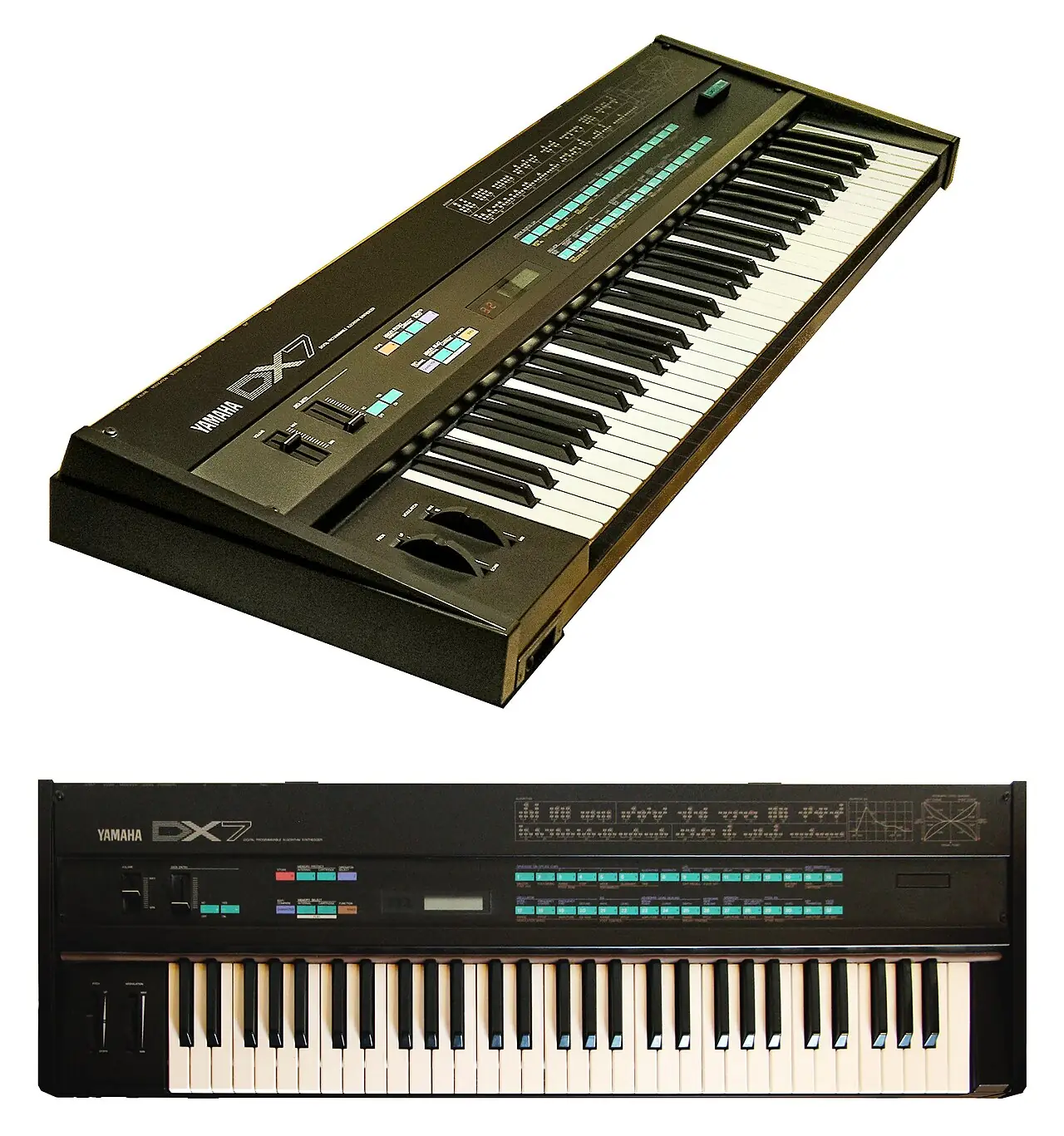


Contested: Earlier room-sized synthesizers such as the vacuum-tube RCA Mark II preceded Moog's compact, transistorised, voltage-controlled instrument.