ARPANET
US-funded research network that first connected distant computers by packet switching; the direct ancestor of the internet.
- 1969
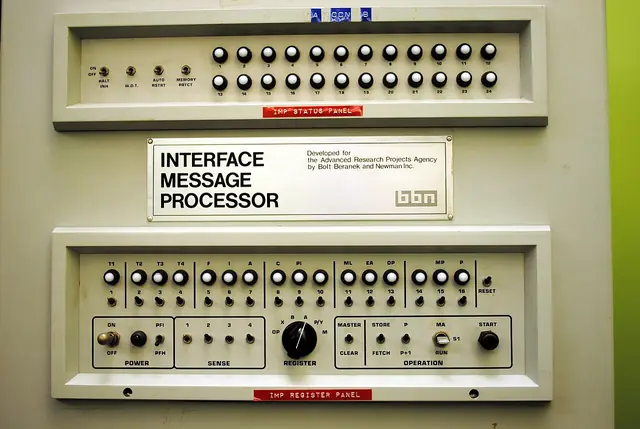
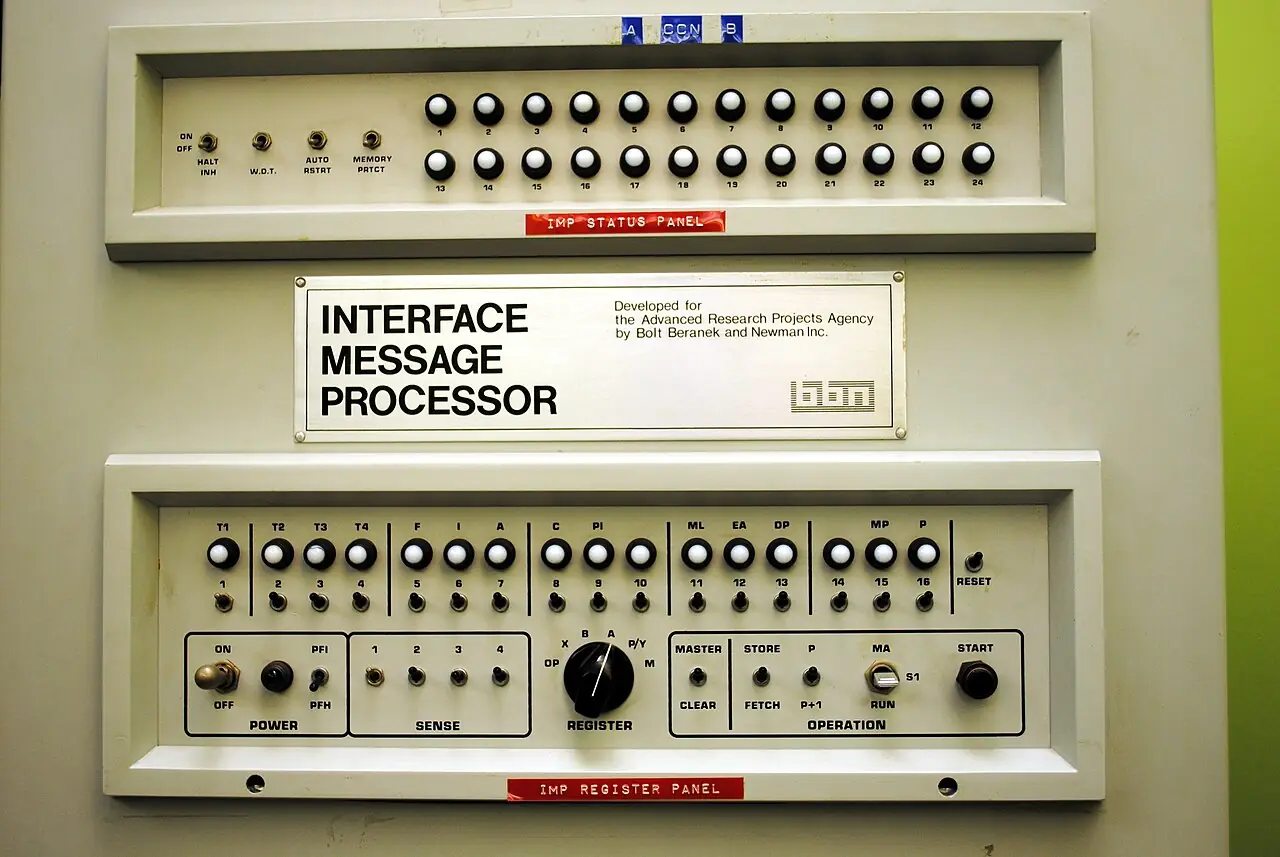
First version
ARPA/IPTO (Larry Roberts, Bob Taylor); BBN (IMPs); UCLA (Leonard Kleinrock)
Image: FastLizard4 · CC BY-SA 3.0 · Wikimedia Commons - 1970
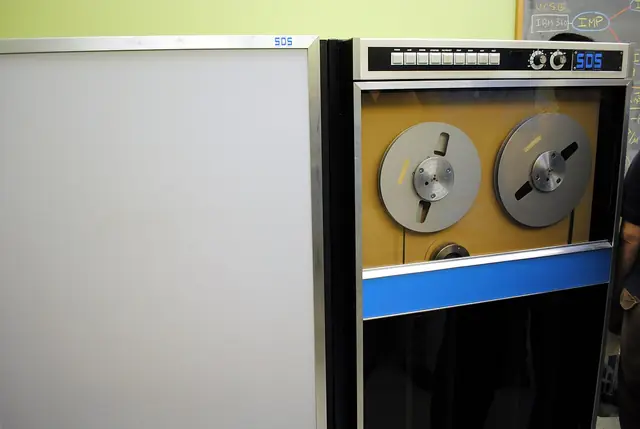
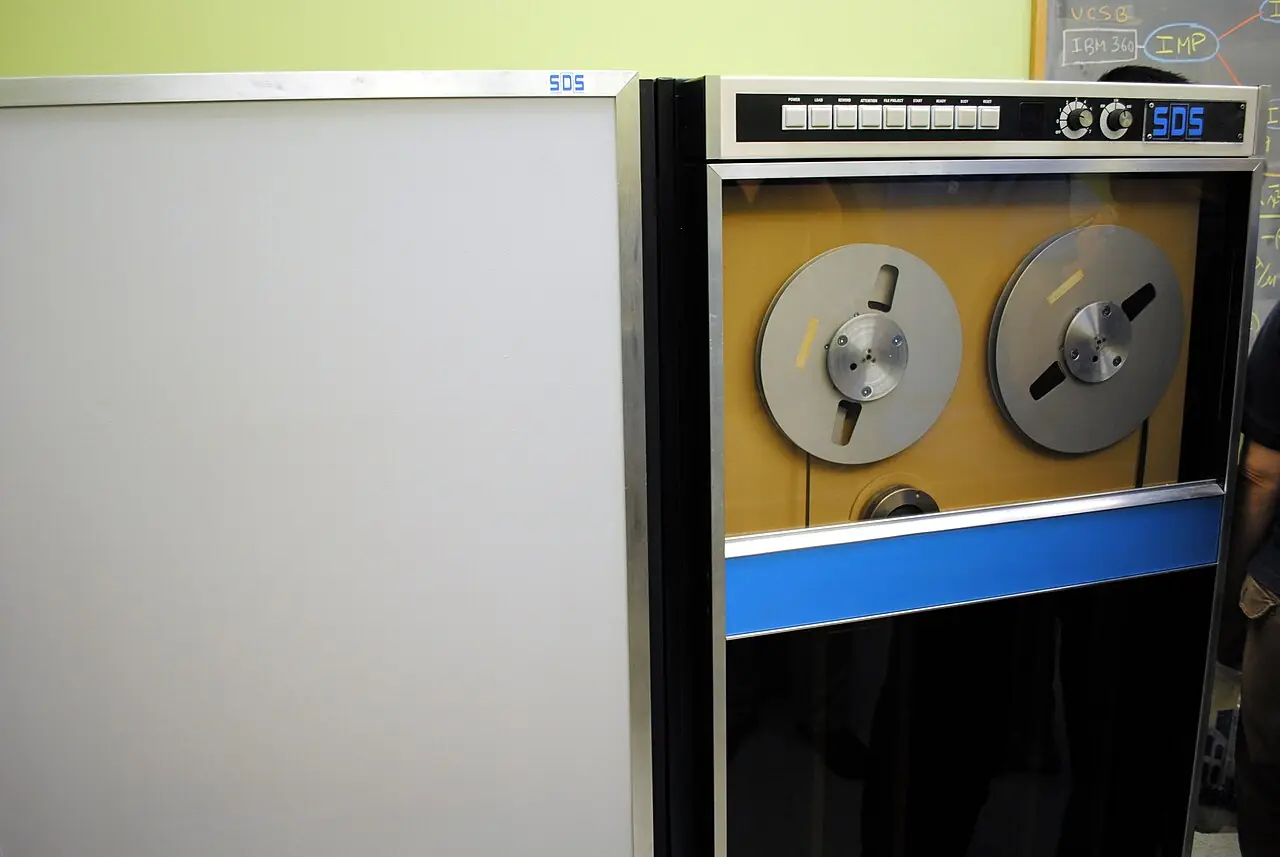
Network Control Protocol (NCP)
First host-to-host protocol lets users build applications such as remote login and file transfer.
Image: Andrew "FastLizard4" Adams from United States · CC BY-SA 2.0 · Wikimedia Commons - 1973

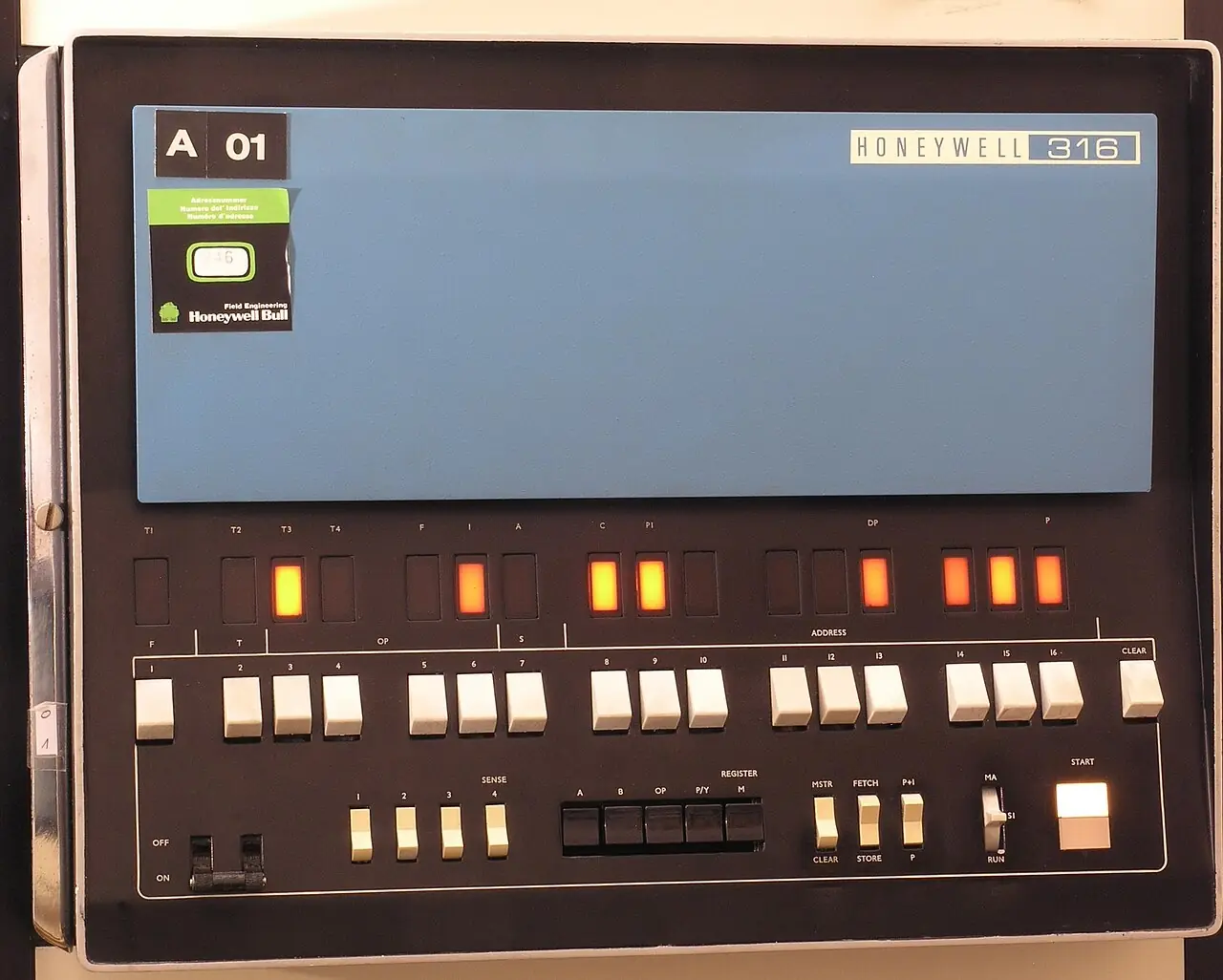
First international links (NORSAR and UCL)
Satellite and cable links connect Norway's NORSAR and London's UCL, making ARPANET international.
Image: Philipp Hachtmann · CC BY-SA 3.0 · Wikimedia Commons - 1983
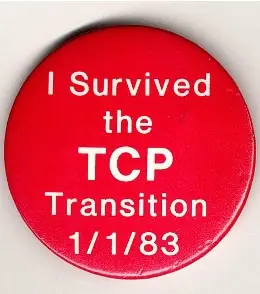
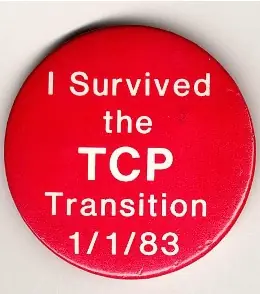
TCP/IP flag day
On 1 January all hosts switch from NCP to TCP/IP, turning ARPANET into an internet.
Image: Badge created by Dan Lynch; photographer unknown · No image licence stated; the page attri… · LACNIC Blog / Computer History Museum - 1986
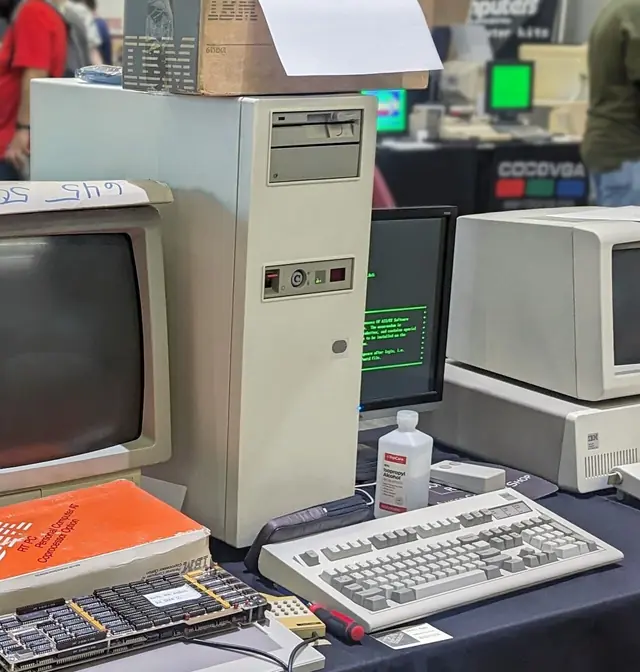
NSFNET backbone
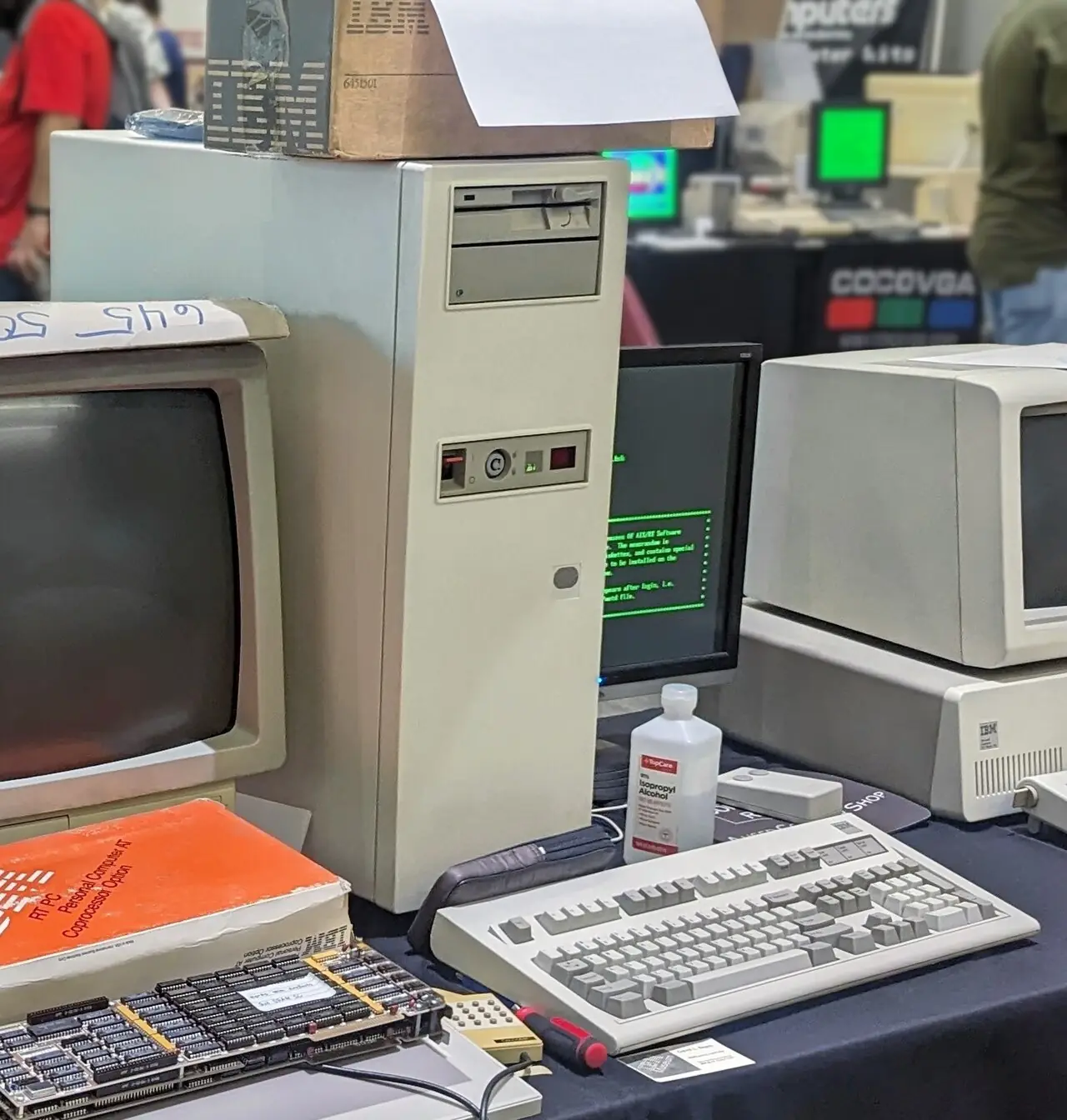
The US National Science Foundation's TCP/IP backbone links universities nationwide, replaces the ARPANET by 1990 and hands over to commercial backbones in 1995.
Image: Patrick Finnegan · CC BY 2.0 · Wikimedia Commons


Contested: Often said to be built to survive nuclear war; the Internet Society calls that a false rumor. ARPA built it for resource sharing.