VR / AR / XR headset
Head-mounted display tracking head motion to place users in computer-generated or mixed worlds; consumer VR arrived with Oculus in 2016.
- 1968
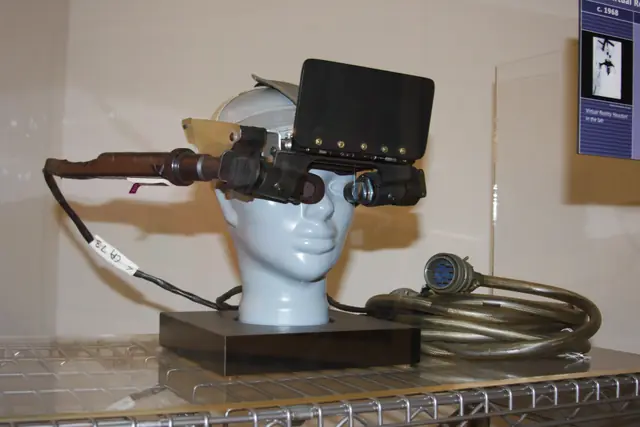
First version
Ivan Sutherland with Bob Sproull (Harvard), 'Sword of Damocles'
Image: Pargon (Flickr) · CC BY 2.0 · Flickr - 1989
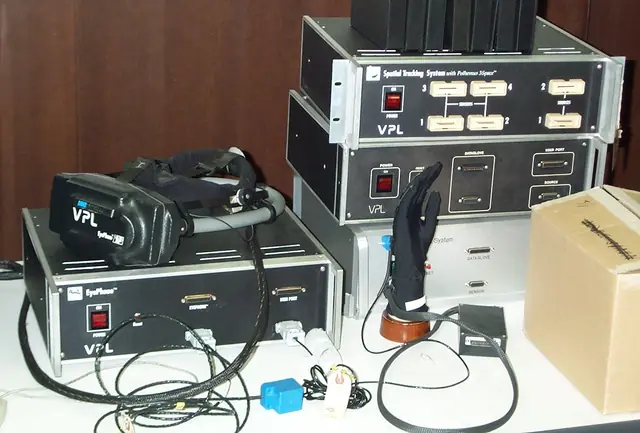
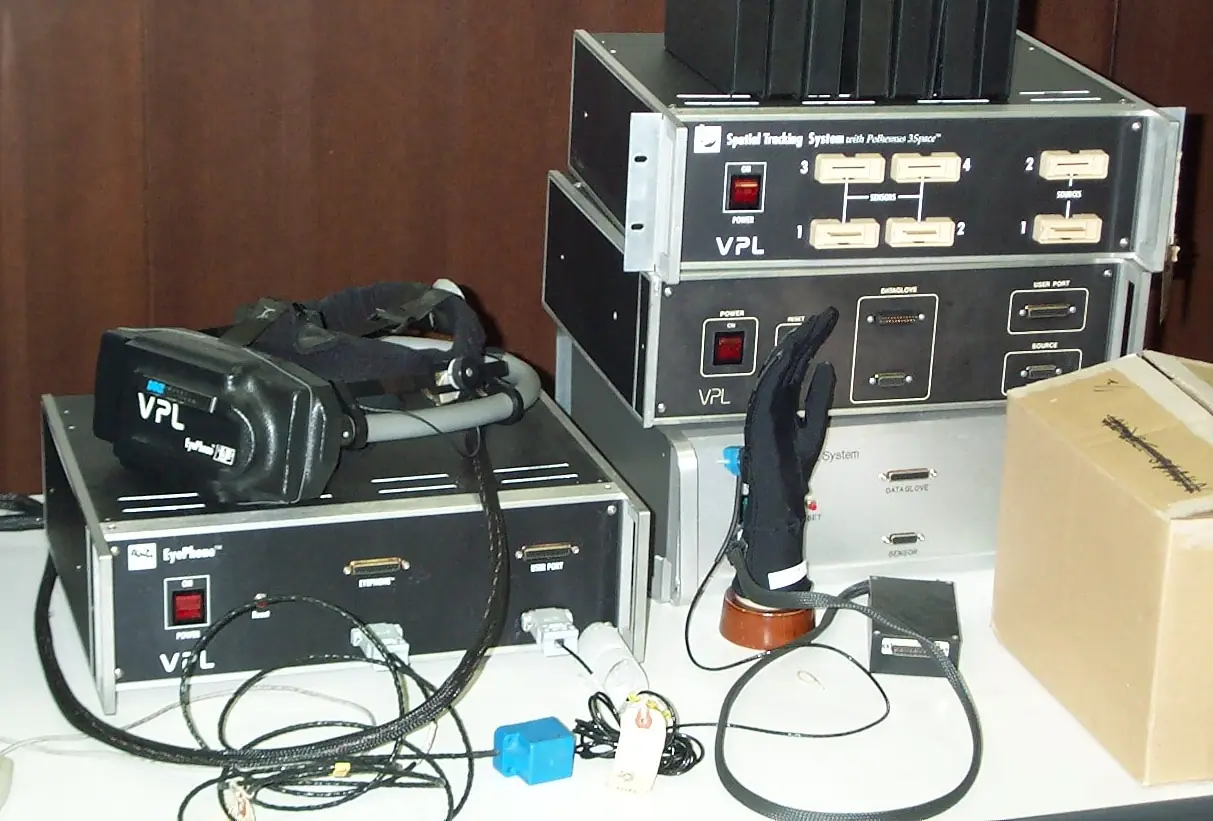
VPL EyePhone and DataGlove
VR goes on sale: stereo LCD headset with magnetic 6-DoF head tracking (about $9,400), paired with a hand-tracking glove.
Image: Dave Pape · Public domain · Wikimedia Commons - 2016

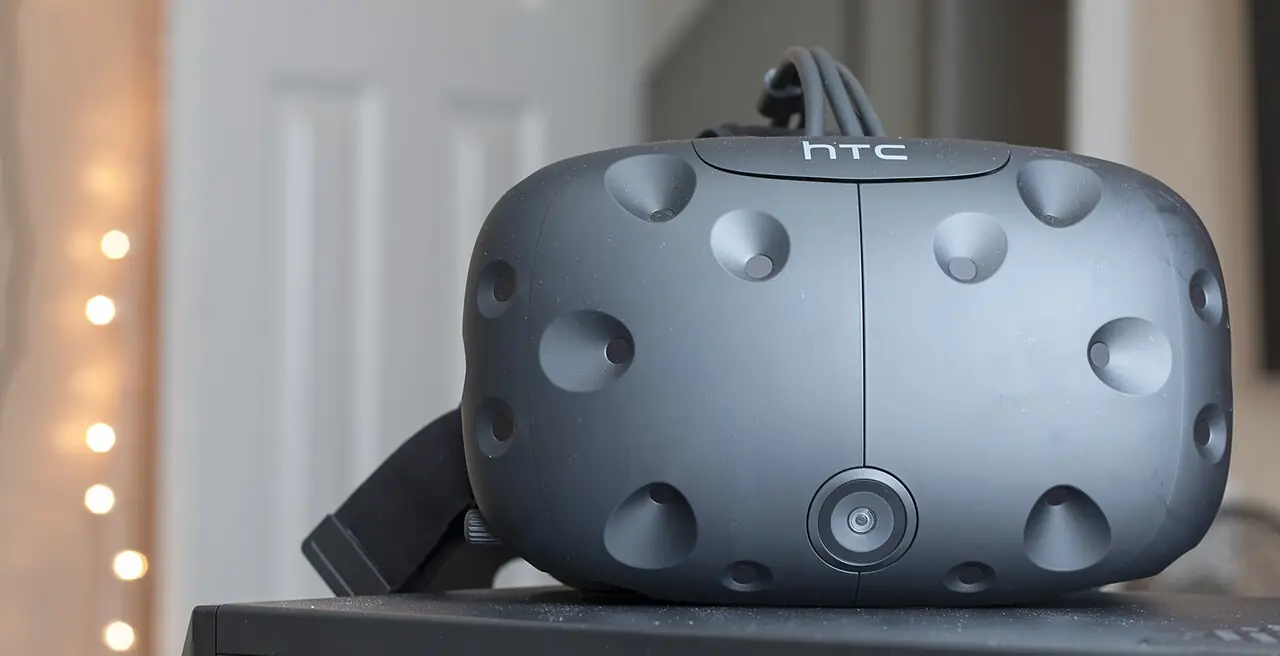
Oculus Rift CV1 / HTC Vive
PC-tethered low-latency consumer VR with room-scale tracking.
Image: CULLEN STEBER · CC BY-SA 4.0 · Wikimedia Commons - 2016

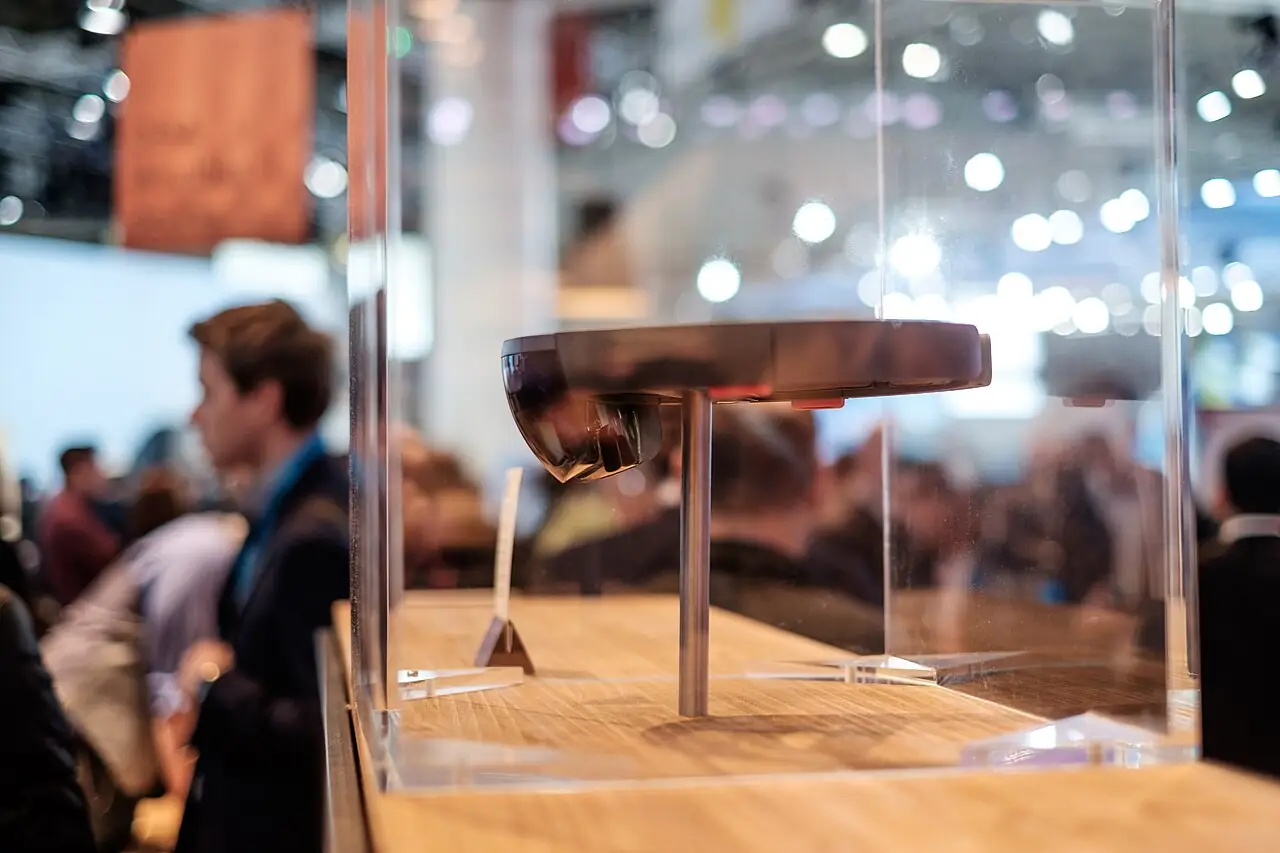
Microsoft HoloLens
See-through AR headset with its own onboard processor maps the room with depth sensors and pins holograms onto real surfaces.
Image: Kārlis Dambrāns · CC BY 2.0 · Wikimedia Commons - 2019

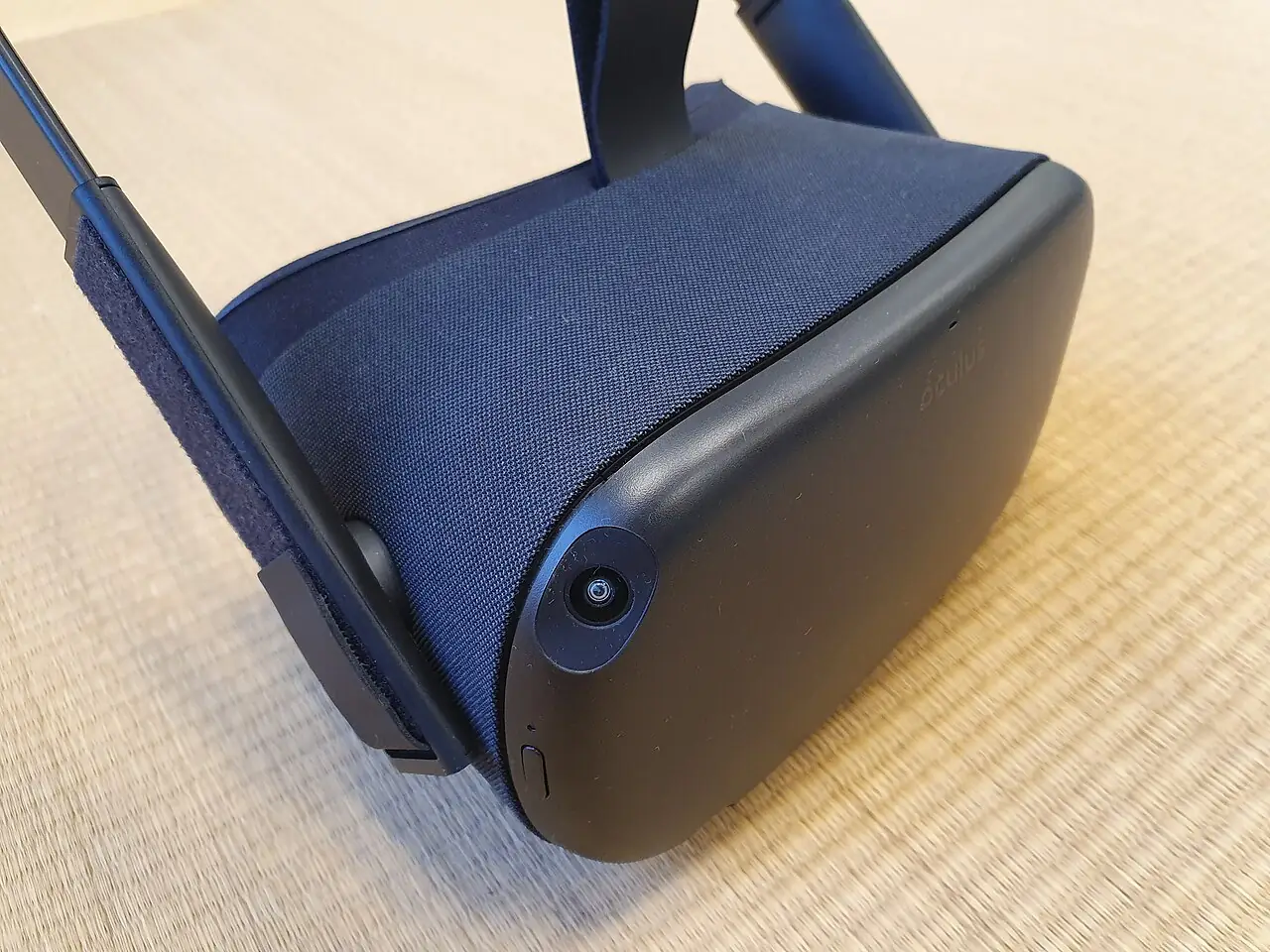
Oculus Quest
Standalone headset with inside-out tracking; no PC or external sensors.
Image: Syced · CC0 · Wikimedia Commons - 2024
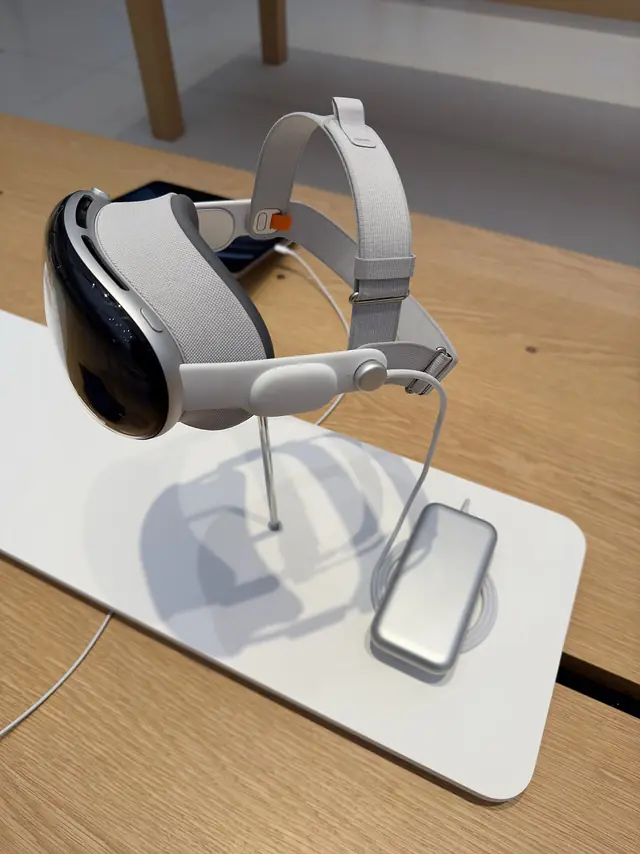
Apple Vision Pro
$3,499 high-resolution mixed-reality 'spatial computer' with eye and hand control.
Image: Seasider53 · CC BY 4.0 · Wikimedia Commons
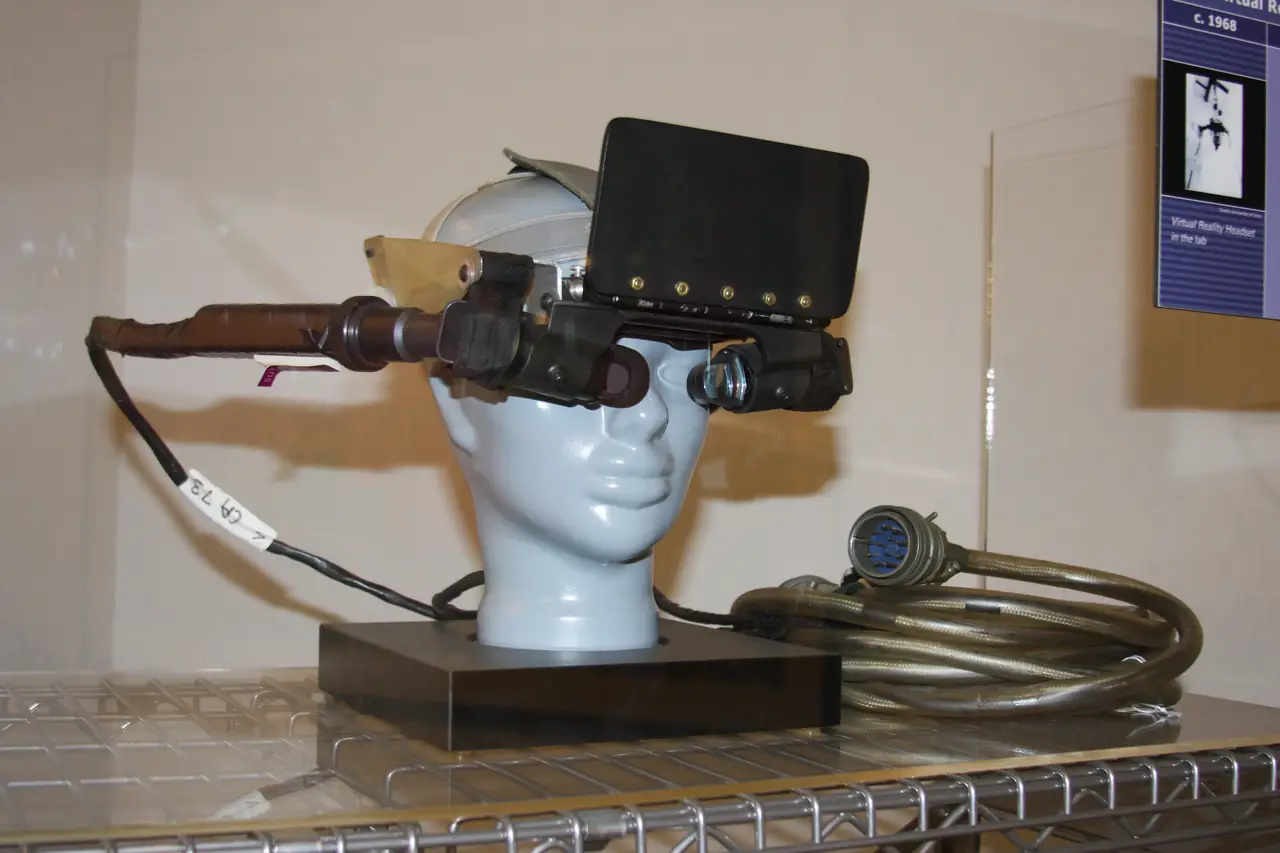


Contested: Morton Heilig's Sensorama (patented 1962) and Philco's Headsight (1961) predate Sutherland's computer-driven 1968 head-mounted display.