Packet switching
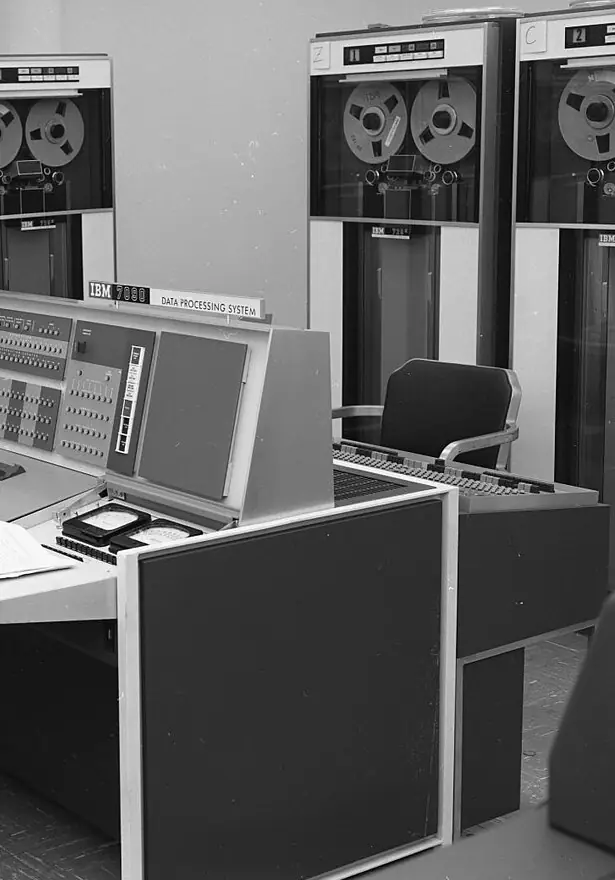
Splitting data into independently routed blocks that share links; replaced circuit switching and became the basis of every computer network.
- 1964
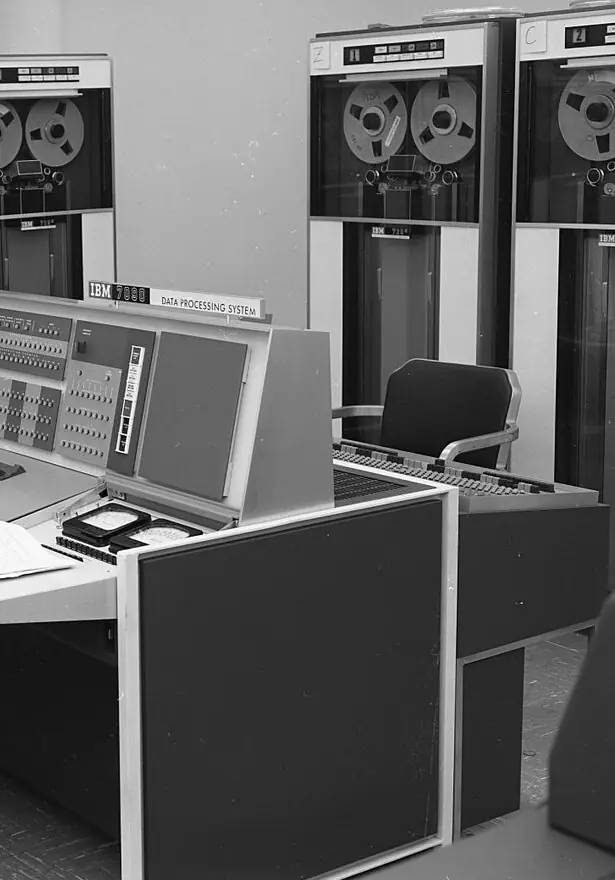
First version
Paul Baran (RAND) and Donald Davies (NPL), independently; Leonard Kleinrock (MIT) claims priority
Image: General Dynamics/Convair (San Diego Air and Space Museum Archives) · No known copyright restrictions (SDASM Archives, Flickr Commons) · Wikimedia Commons (San Diego Air and Space Museum Archives) - 1969
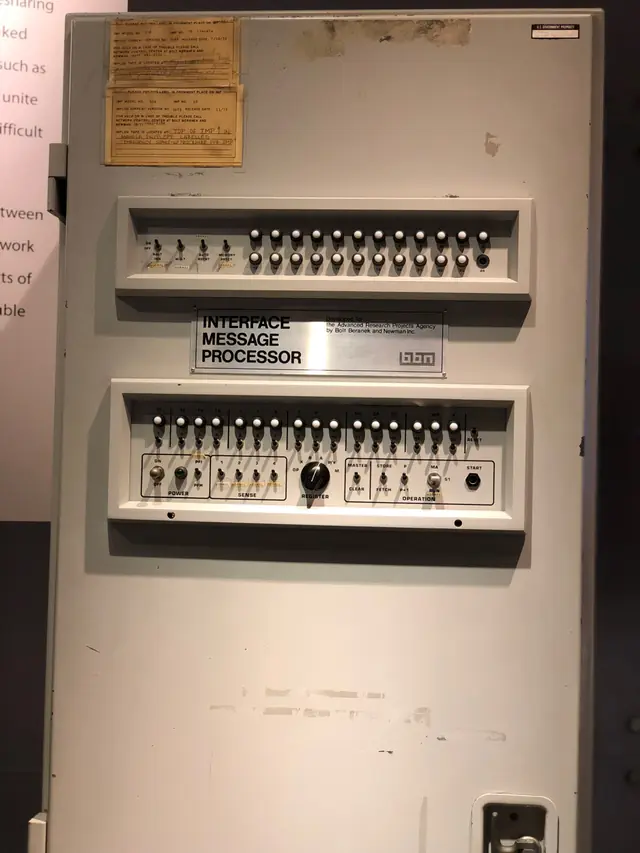
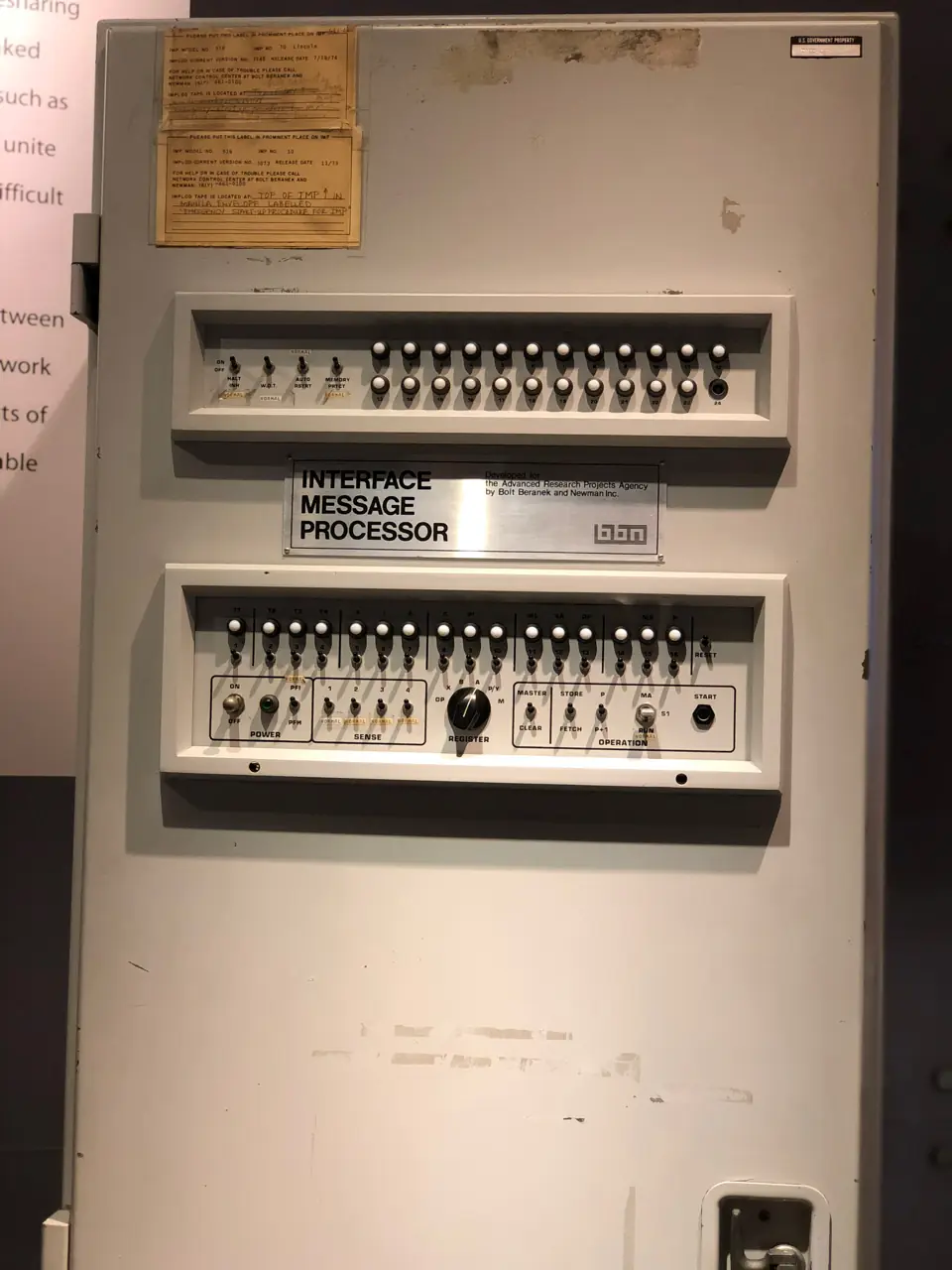
ARPANET IMPs
BBN's Interface Message Processors run the first wide-area packet-switched network.
Image: ArnoldReinhold · CC BY 4.0 · Wikimedia Commons - 1971
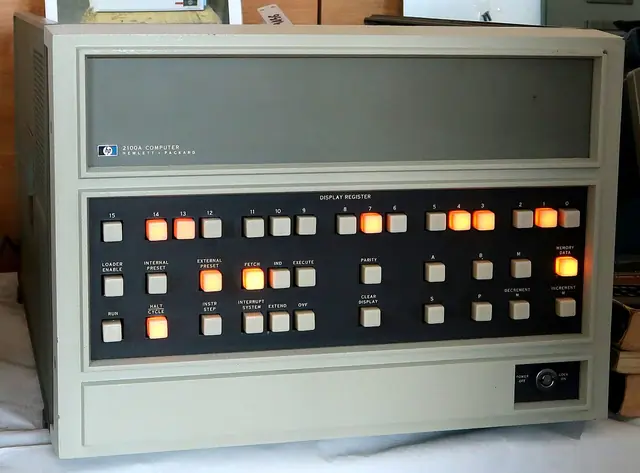
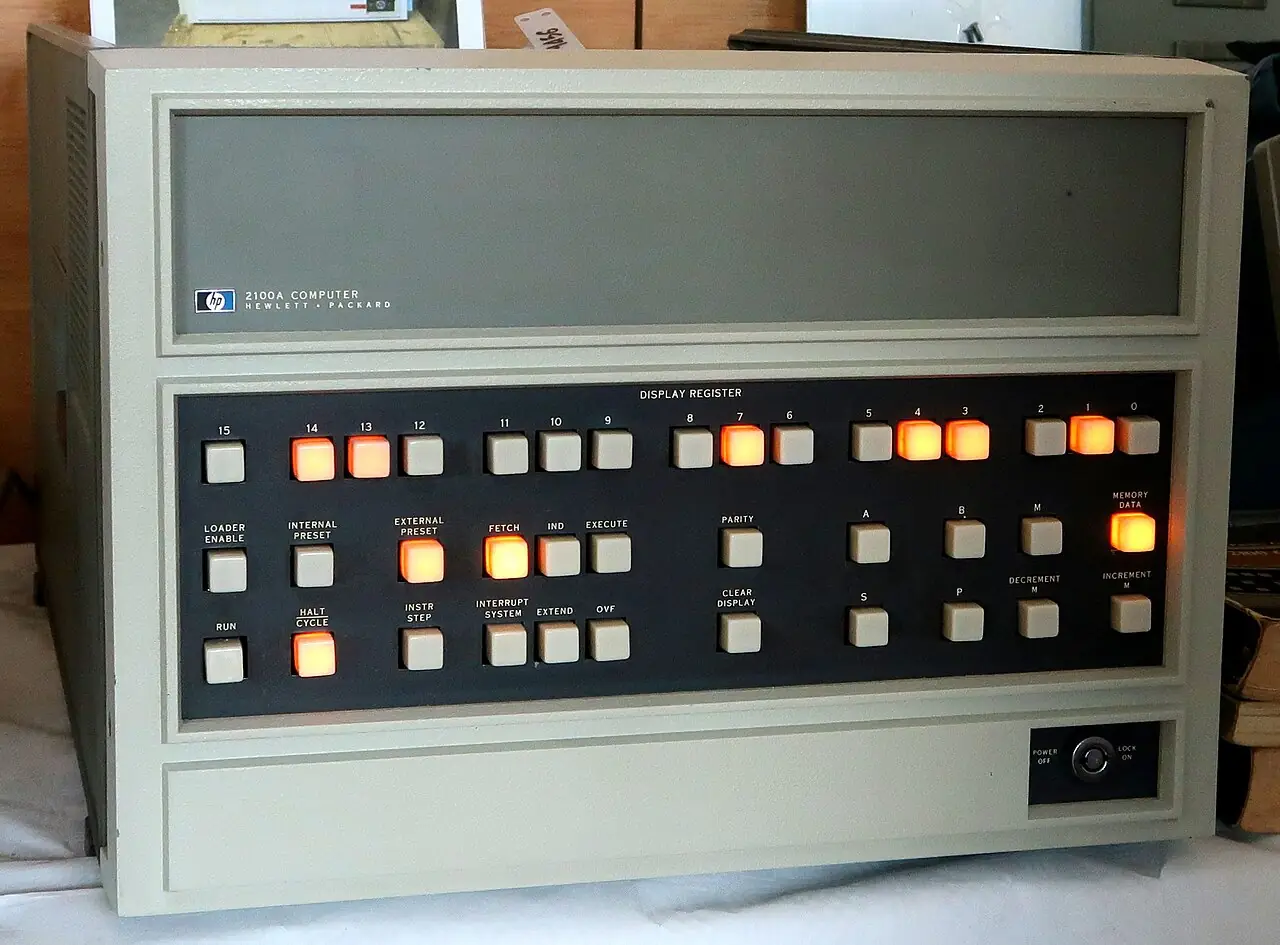
ALOHAnet wireless packet network
Norman Abramson's University of Hawaii network sends packets by radio with random access, retrying after collisions; its method shaped Ethernet, Wi-Fi and mobile signalling.
Image: Wolfgang Stief from Tittmoning, Germany · CC0 · Wikimedia Commons - 1973
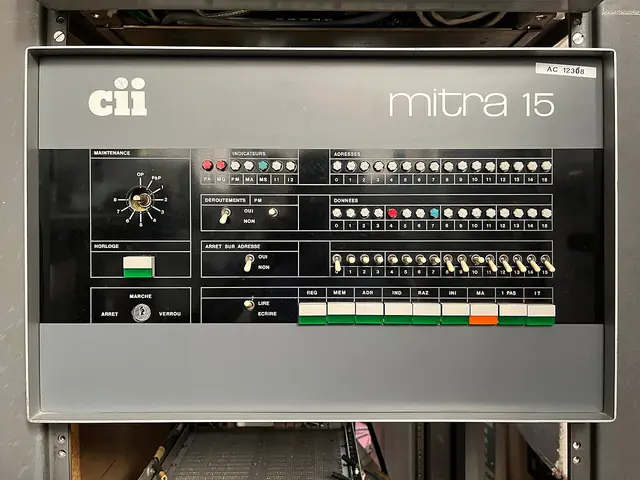
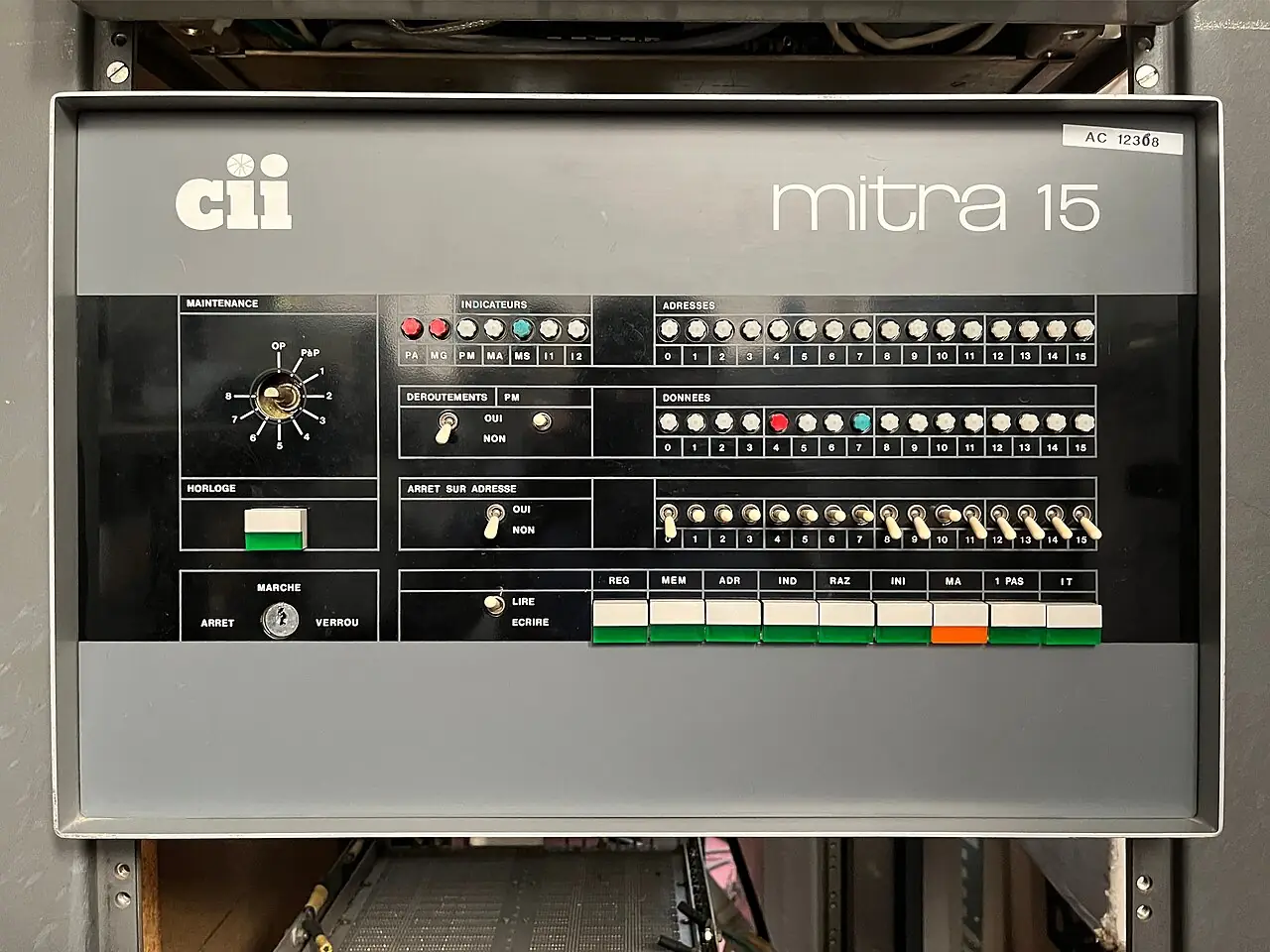
CYCLADES datagrams
Louis Pouzin's French network uses connectionless datagrams with host-level reliability, a model for IP.
Image: Damien.b · CC BY-SA 4.0 · Wikimedia Commons - 1976
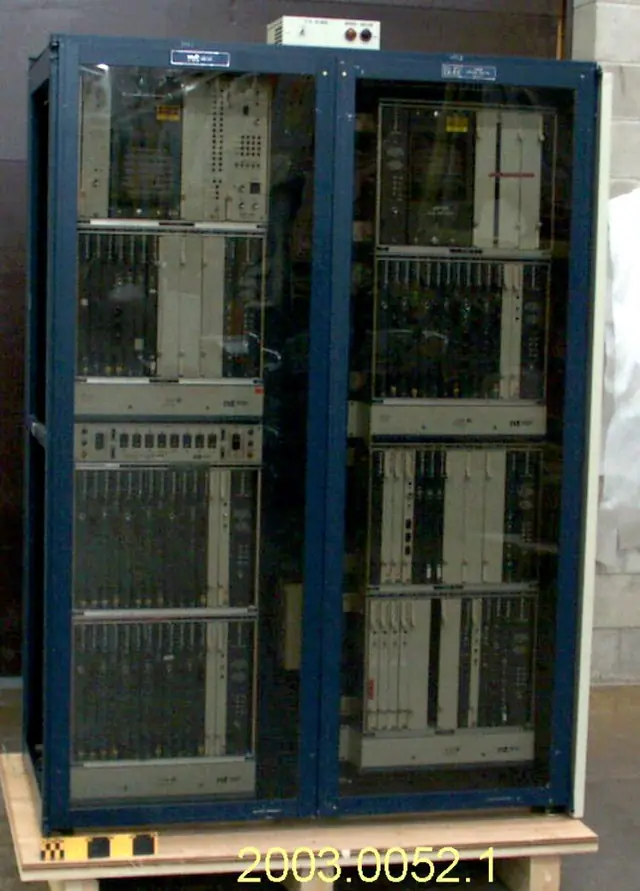
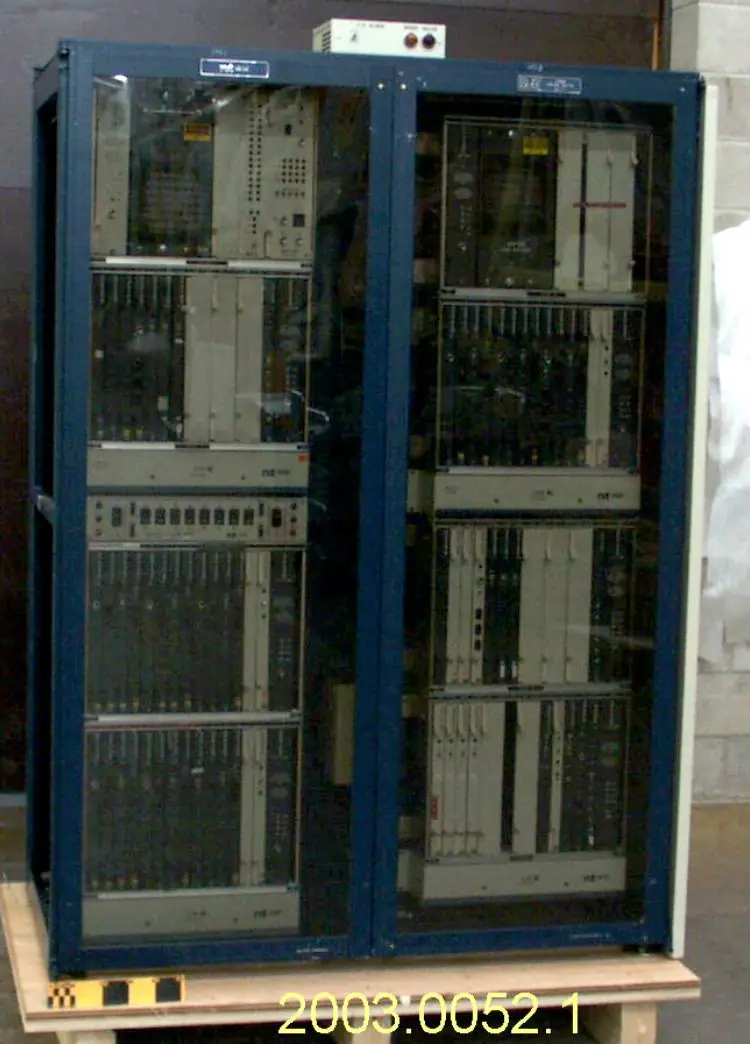
X.25 public data networks
ITU standard for carrier-run virtual-circuit packet networks such as Transpac and Telenet.
Image: Ingenium – Canada's Museums of Science and Innovation · Ingenium: reuse without permission allowed (per 'Use this image') · Ingenium collection 2003.0052.001 (Northern Telecom SL-10, 1976)


Contested: Baran (1962-64) and Davies (1965) are credited as independent inventors; Kleinrock's priority claim from his 1961 queueing work is disputed by Davies, Baran and others.