DRAM (dynamic random-access memory)
Stores each bit as charge on a capacitor beside one transistor; the cheap, dense main memory of virtually every computer since the 1970s.
- 1966
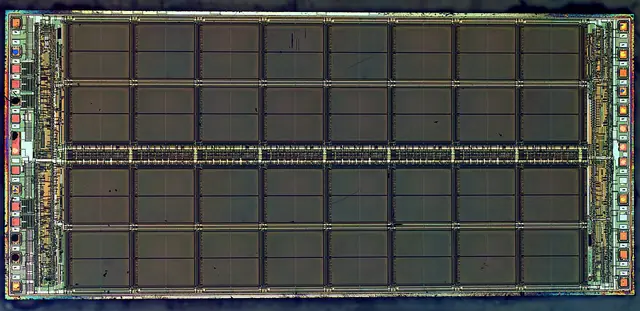
First version
Robert Dennard (IBM) — one-transistor cell; Intel (first commercial DRAM)
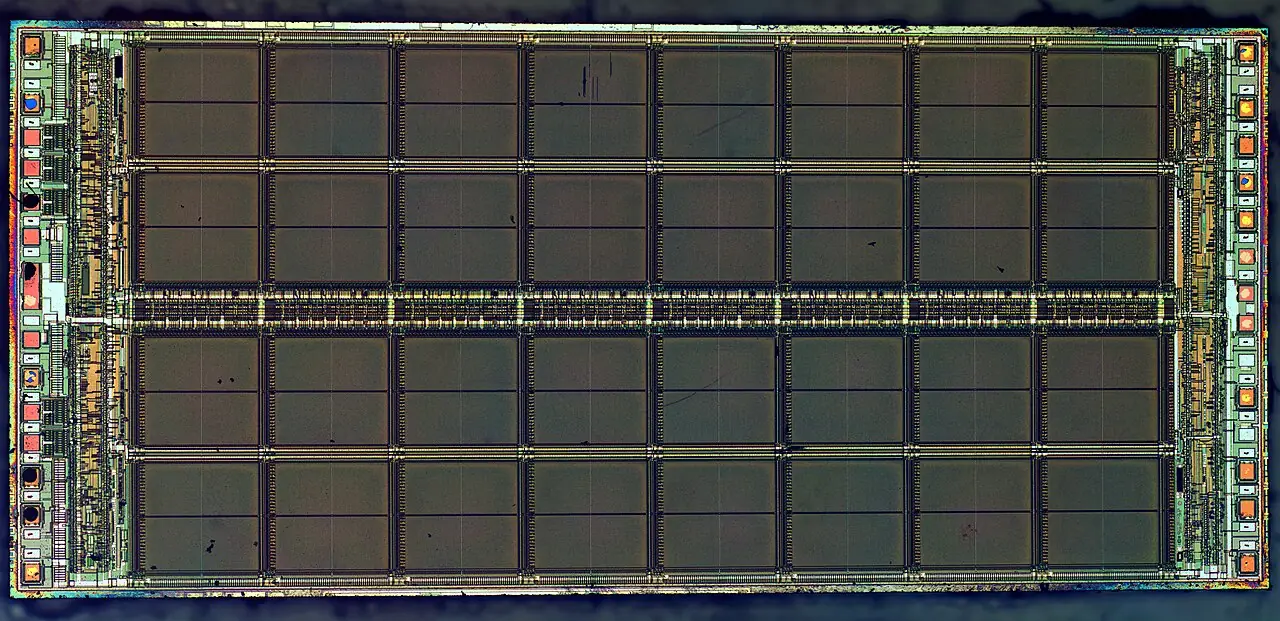
Image: ZeptoBars · CC BY 3.0 · Wikimedia Commons - 1970
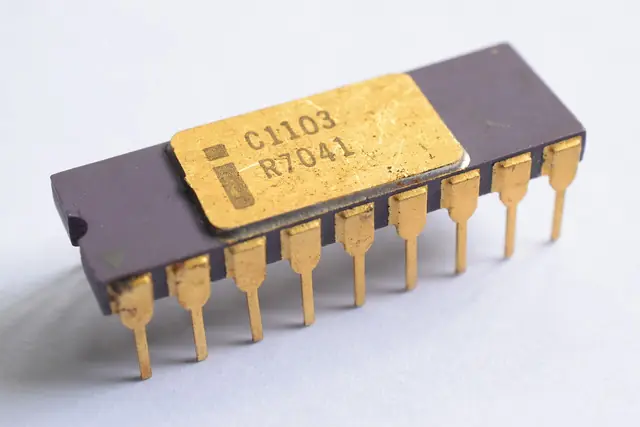
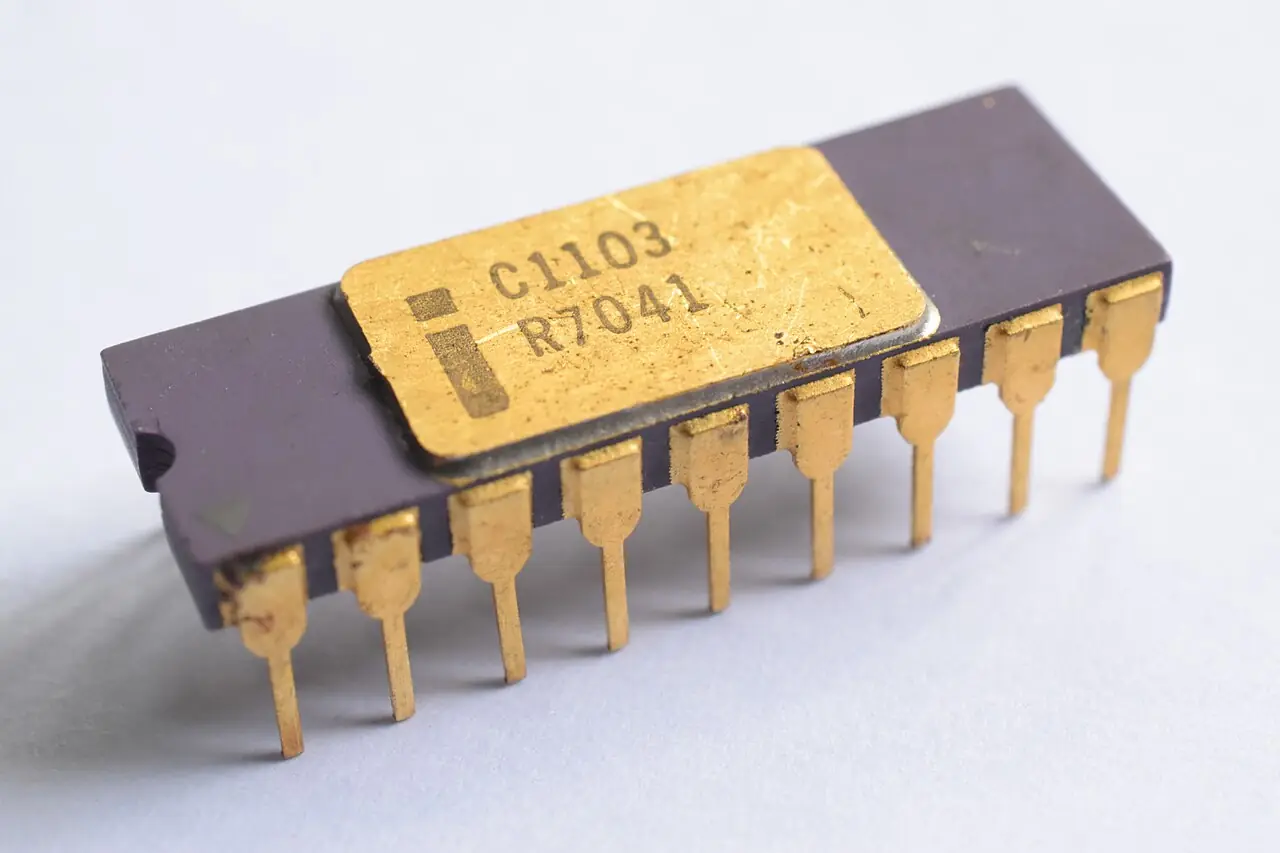
Intel 1103 (1Kbit)
First commercial DRAM chip at ~1 cent/bit; first serious challenge to core memory.
Image: Thomas Nguyen · CC BY-SA 4.0 · Wikimedia Commons - 1973

Mostek MK4096 (4Kbit)
Row and column addresses share the same pins, fitting 4Kbit into a 16-pin package; this multiplexed interface became the DRAM standard.
Image: Mostek · IEEE page states all rights reserved; p… · IEEE Spectrum - 1993

SDRAM
Memory synchronised to the system clock pipelines requests, replacing asynchronous DRAM interfaces.
Image: Samsung · Public domain · Wikimedia Commons - 2000
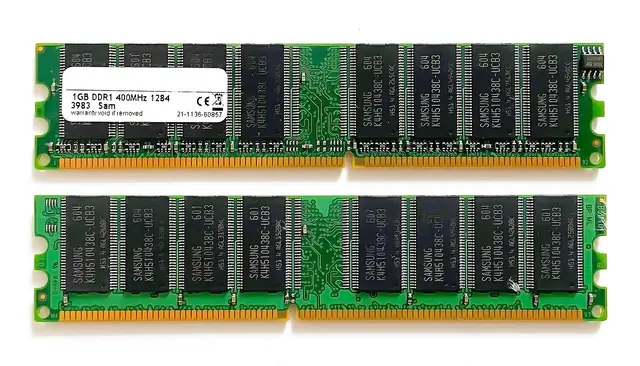
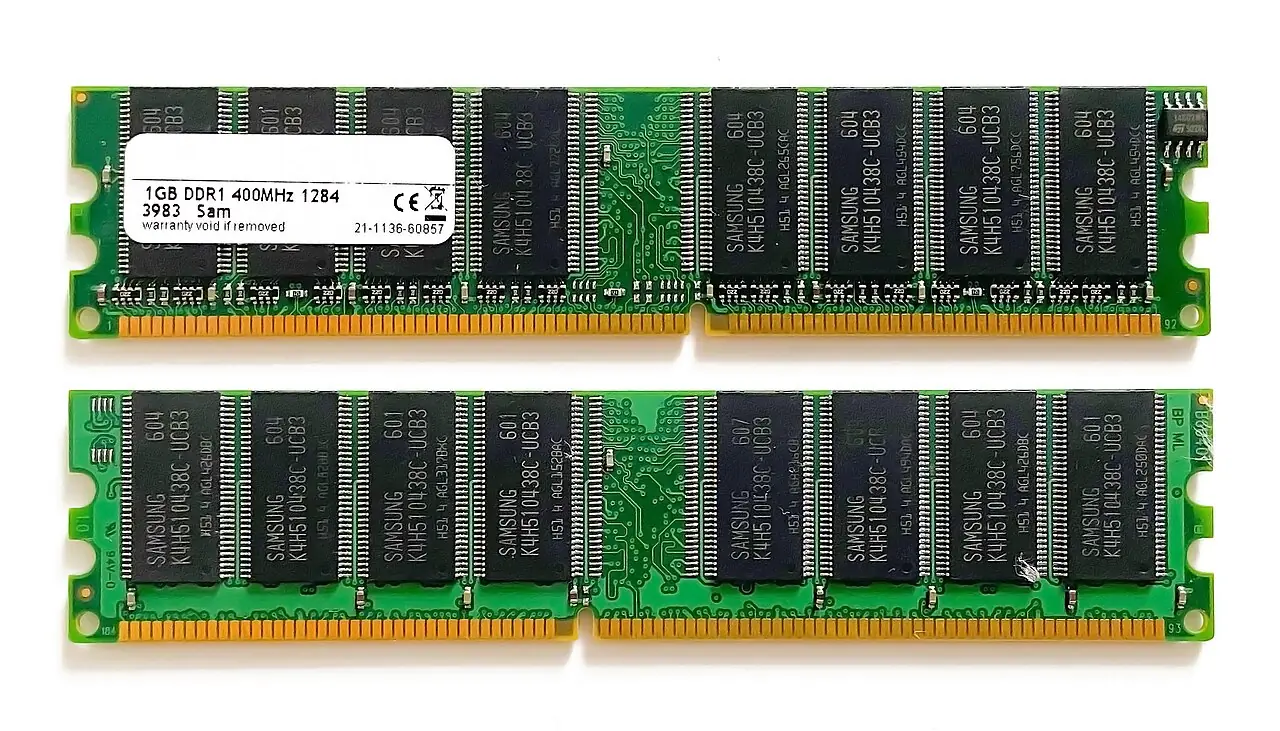
DDR SDRAM
Double data rate transfers on both clock edges; start of the DDR lineage.
Image: Ryse93 · CC BY-SA 4.0 · Wikimedia Commons - 2020
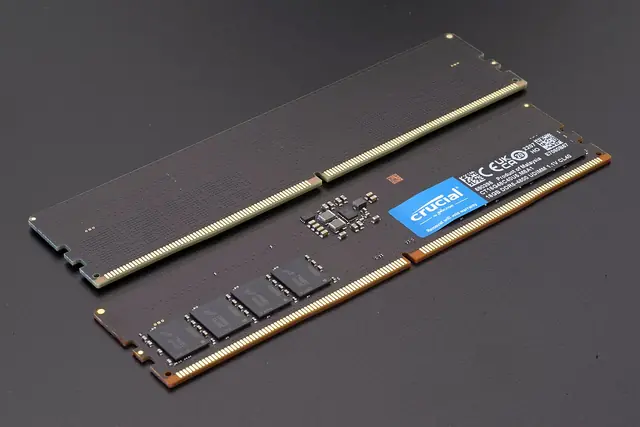
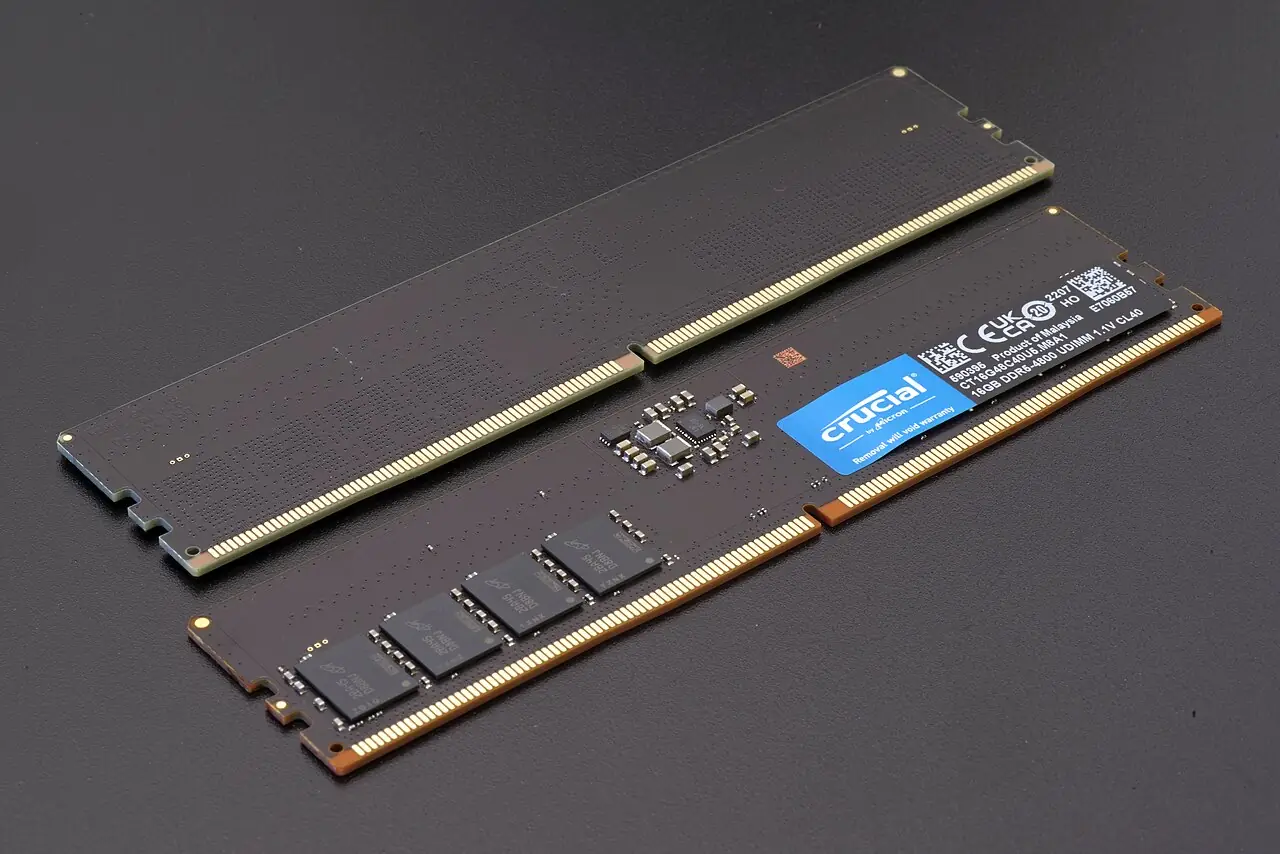
DDR5
JEDEC JESD79-5 (July 2020): higher rates, two subchannels per DIMM, on-module power management.
Image: Smial (talk) · FAL · Wikimedia Commons




Contested: Dennard conceived the 1T1C cell (1966; patent 1968), but Intel's 1970 1103 used a 3T cell, and Fairchild's Boysel built 256-bit DRAM in 1968.