Drones (unmanned aerial vehicles)
Aircraft flown by radio, autopilot or onboard software with no one aboard; they grew from military targets into everyday tools for filming, mapping, inspection and warfare.
- 1917
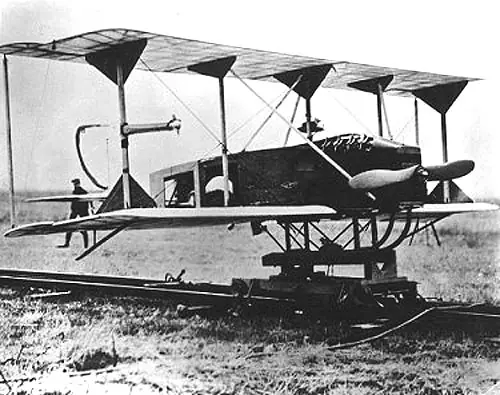
First version
Archibald Low (UK Aerial Target); Peter Hewitt and Elmer Sperry (US Automatic Airplane); later de Havilland, General Atomics, DJI and Skydio
Image: Unknown author · Public domain · Wikimedia Commons - 1935
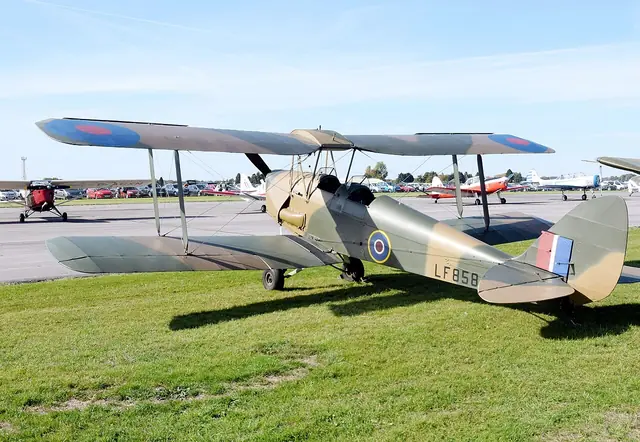
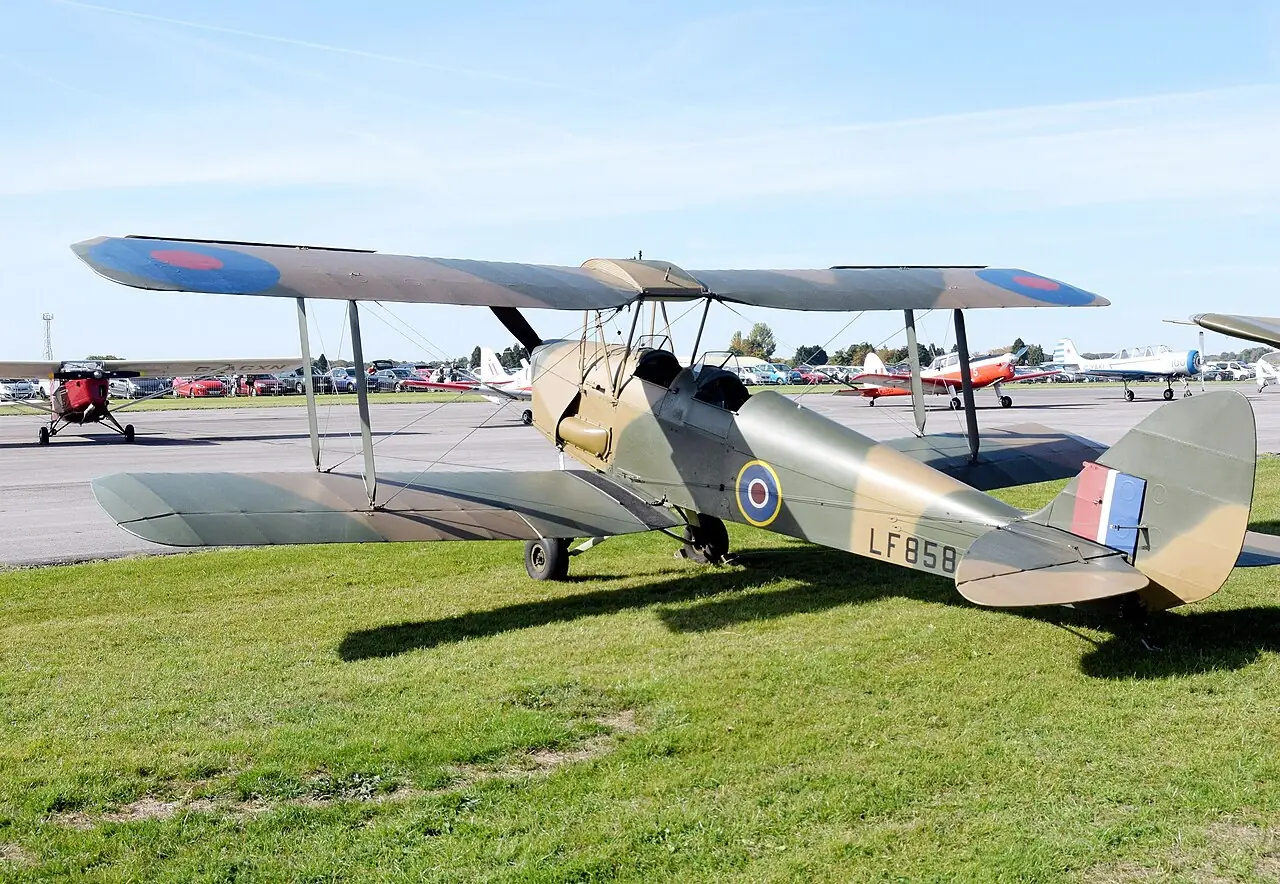
de Havilland Queen Bee target drone
A reusable radio-controlled aircraft built in hundreds; its name is thought to have given drones their name.
Image: Myself (Adrian Pingstone). · Public domain · Wikimedia Commons - 1994
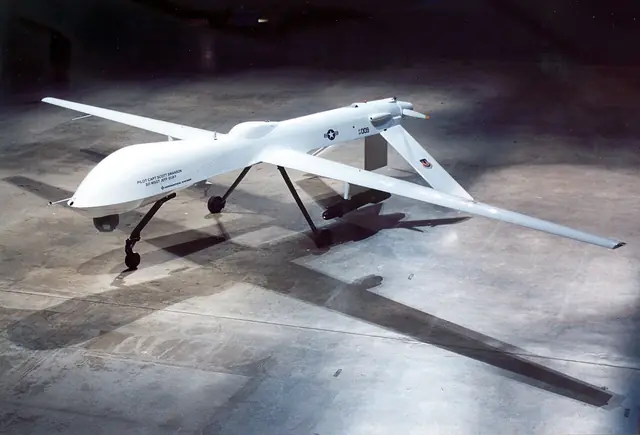
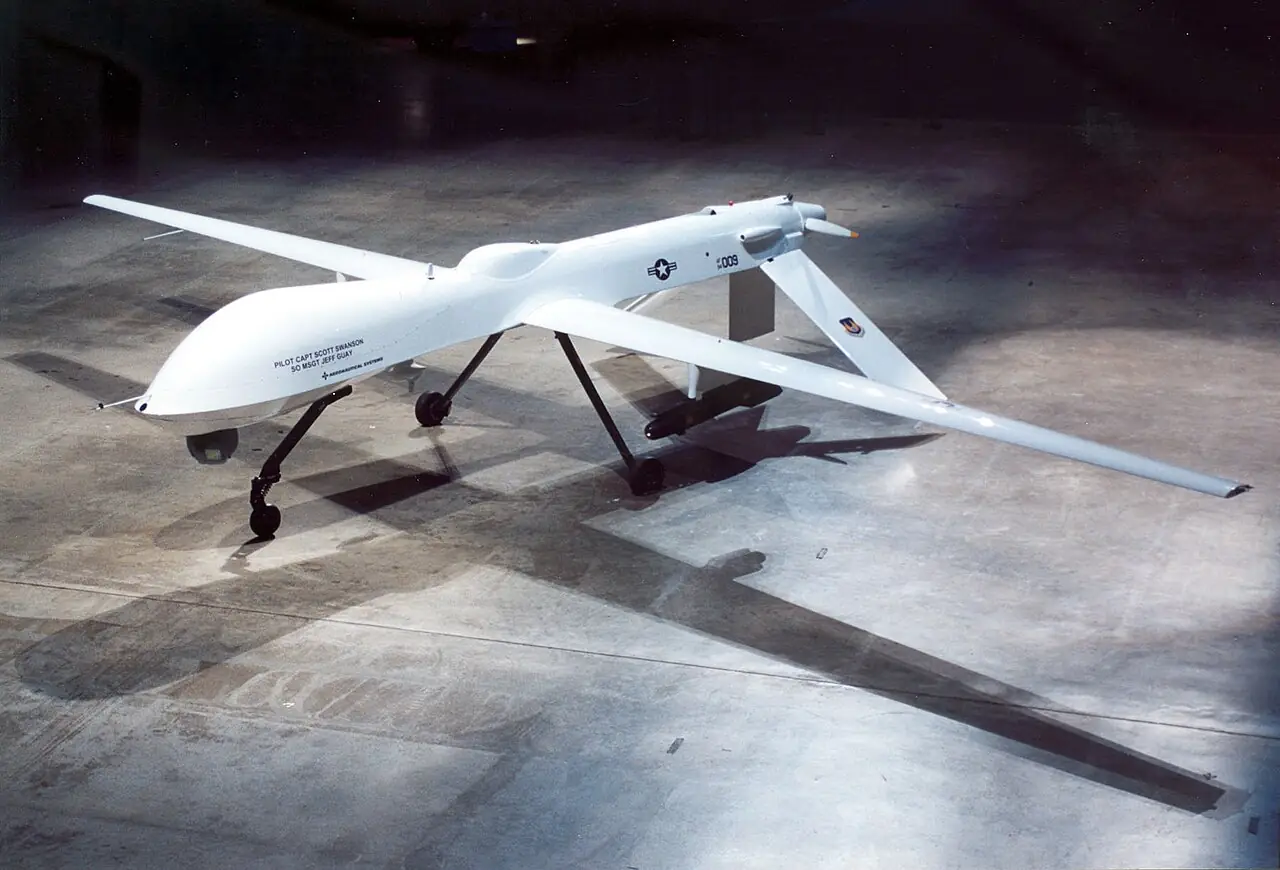
General Atomics Predator
Long-endurance drone, used over Bosnia in 1995, that streams live video to distant crews and can be flown beyond line of sight over satellite links.
Image: Unknown author · Public domain · Wikimedia Commons - 2013
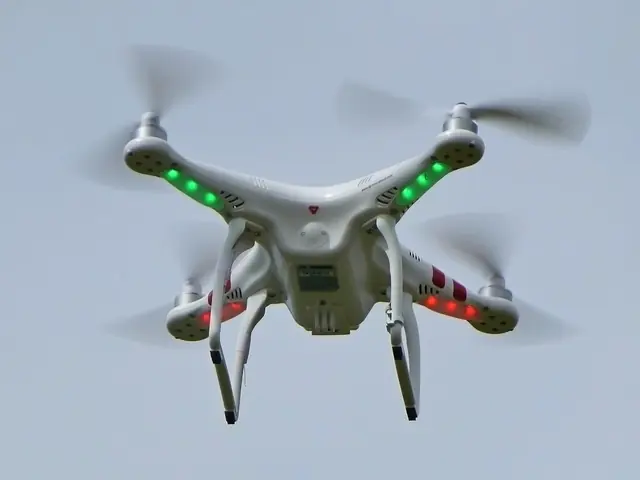
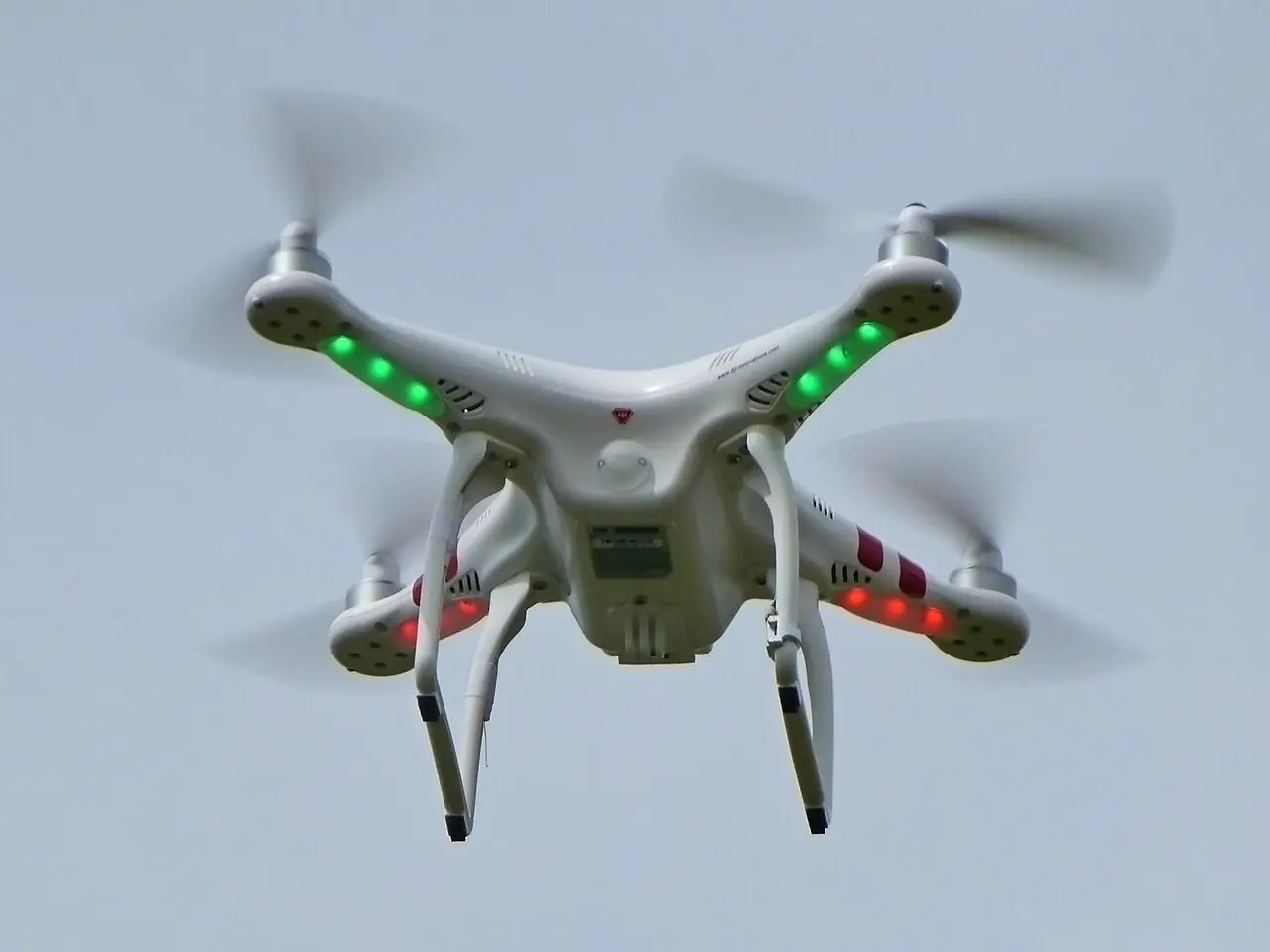
DJI Phantom consumer quadcopter
Ready-to-fly GPS-stabilised quadcopter carrying an action camera (after Parrot's phone-controlled AR.Drone of 2010) creates the mass consumer drone market.
Image: Nevit Dilmen (talk) · CC BY-SA 3.0 · Wikimedia Commons - 2018
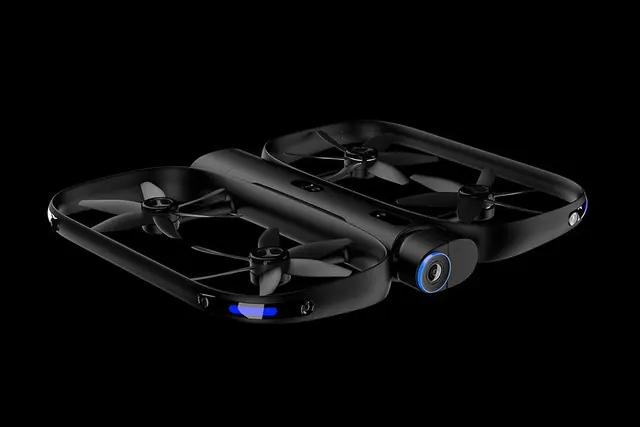
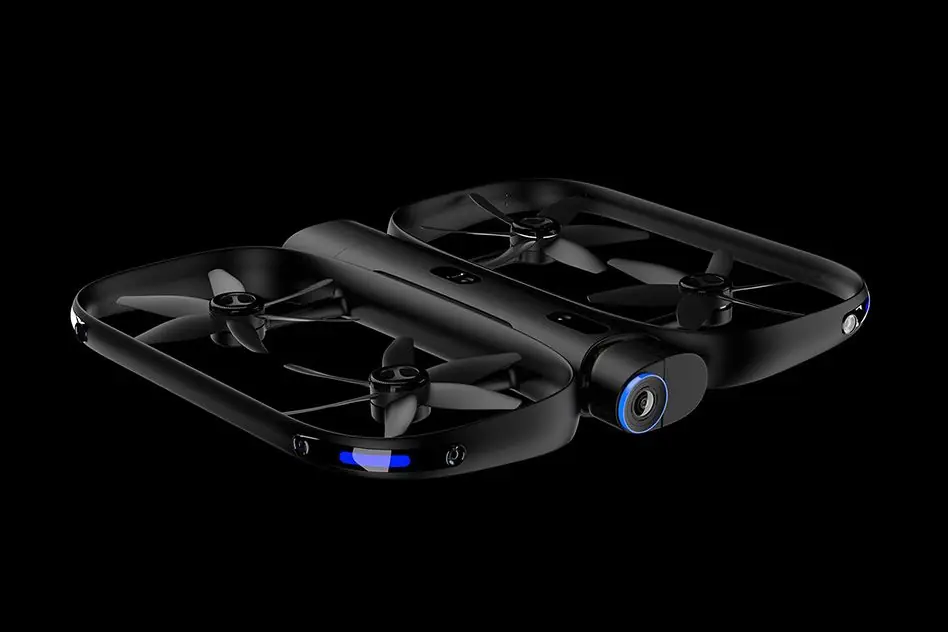
Skydio R1 autonomous drone
Thirteen cameras and onboard AI map surroundings in real time, letting the drone follow a subject and avoid obstacles with no pilot.
Image: Courtesy of Skydio · CC BY-NC-ND 3.0 Unported · MIT News
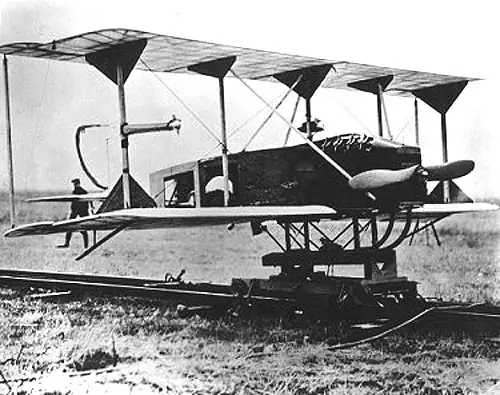


Contested: Britain's radio-controlled Aerial Target and the US Hewitt-Sperry Automatic Airplane both flew in 1917; some historians see the latter as an ancestor of the cruise missile rather than the drone.