Vernam cipher, one-time pad and stream ciphers
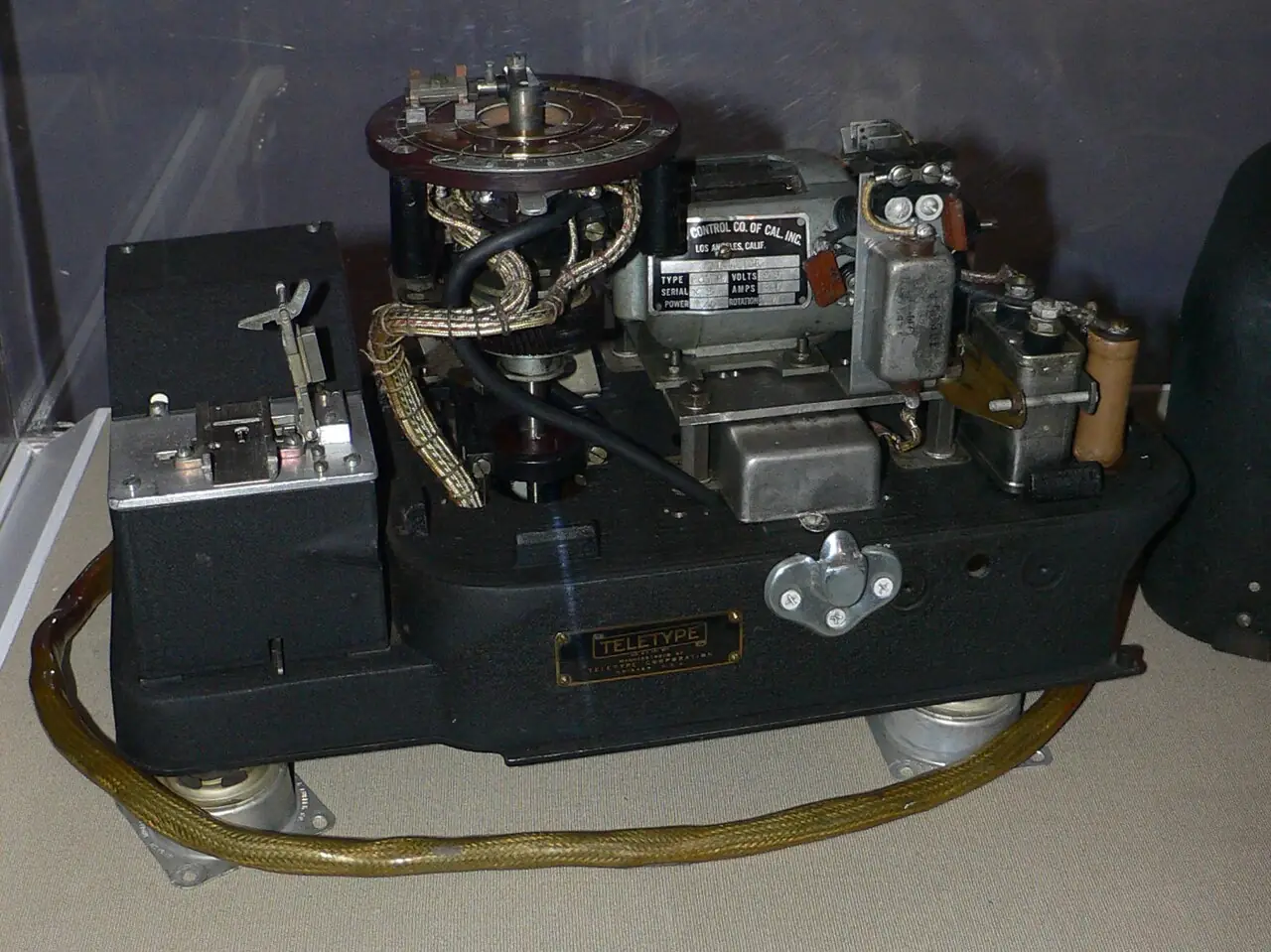
Combining each teleprinter character with a key character made encryption automatic and electrical; with a truly random key used only once it is the only provably unbreakable cipher.
- 1917
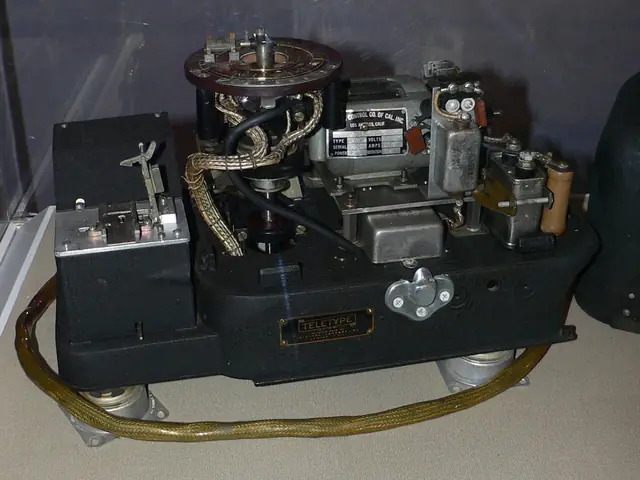
First version
Gilbert Vernam (AT&T) and Joseph Mauborgne (US Army Signal Corps)
Image: Mark Pellegrini · CC BY-SA 2.5 · Wikimedia Commons - 1941
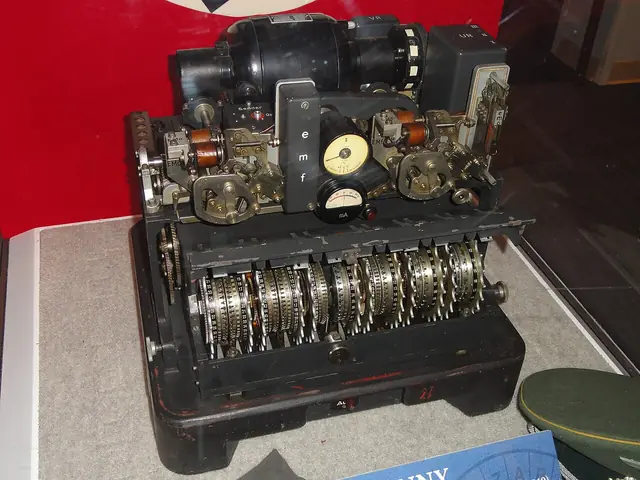
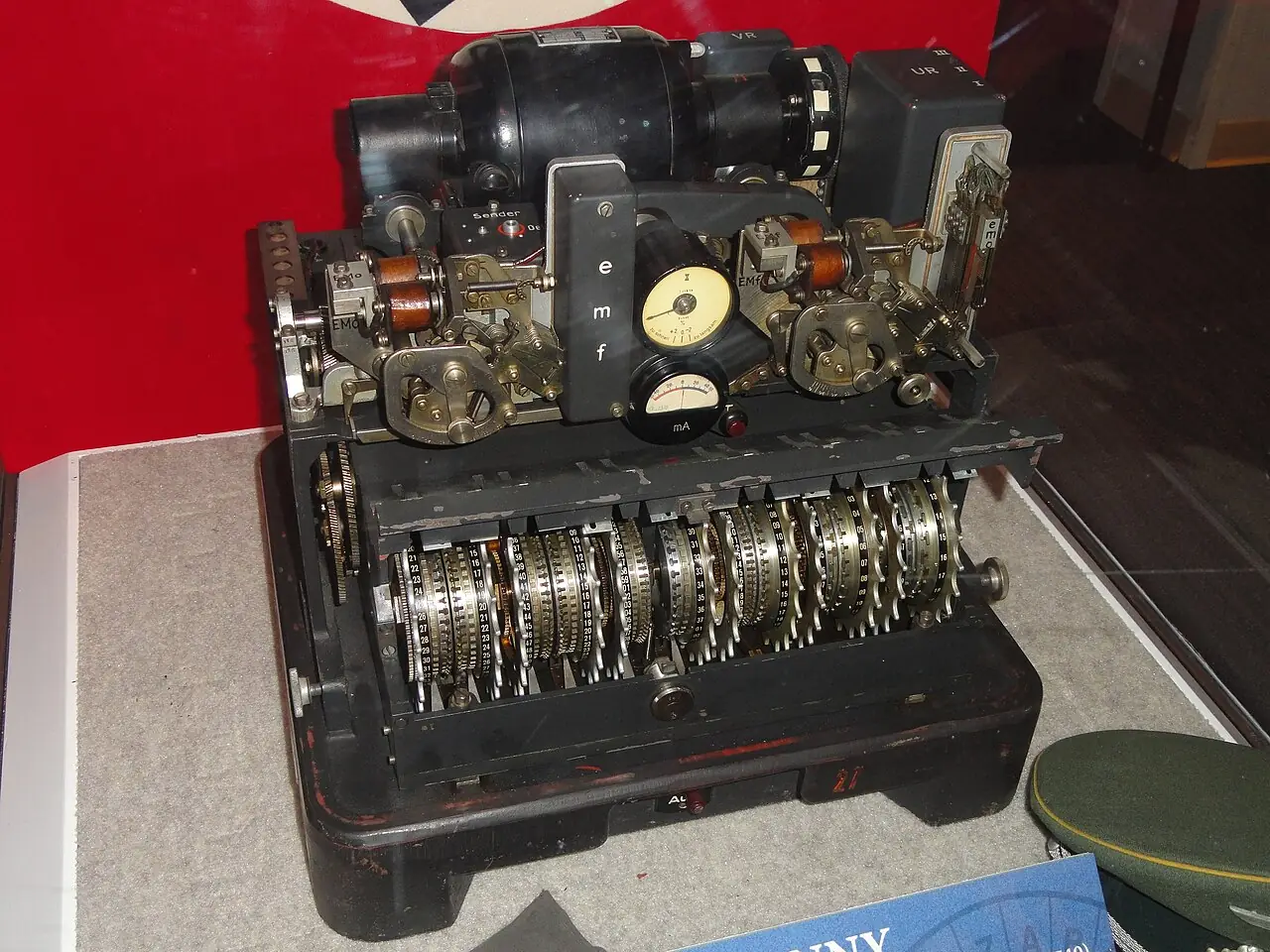
Lorenz SZ40 'Tunny'
The German High Command's teleprinter cipher generates its key stream from pinwheels; an operator's key reuse lets Bletchley Park break it.
Image: Daderot · CC0 · Wikimedia Commons - 1949
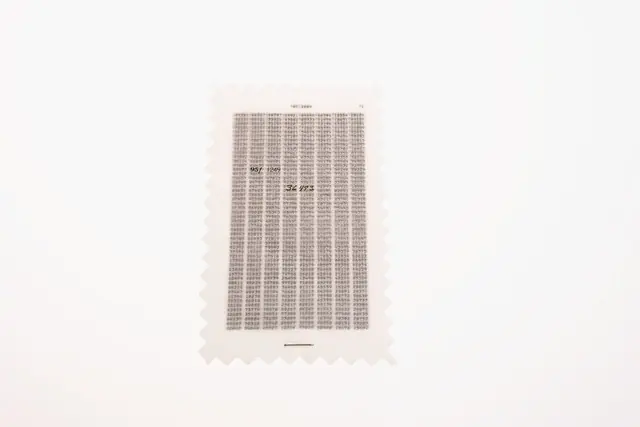
Shannon proves perfect secrecy
'Communication Theory of Secrecy Systems' proves the one-time pad is unbreakable and turns cryptography into mathematics.
Image: The Central Intelligence Agency · Public domain · Wikimedia Commons - 1987
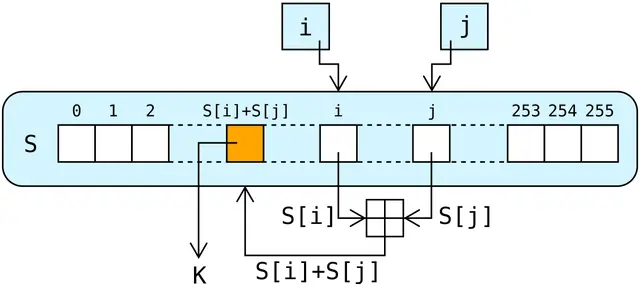
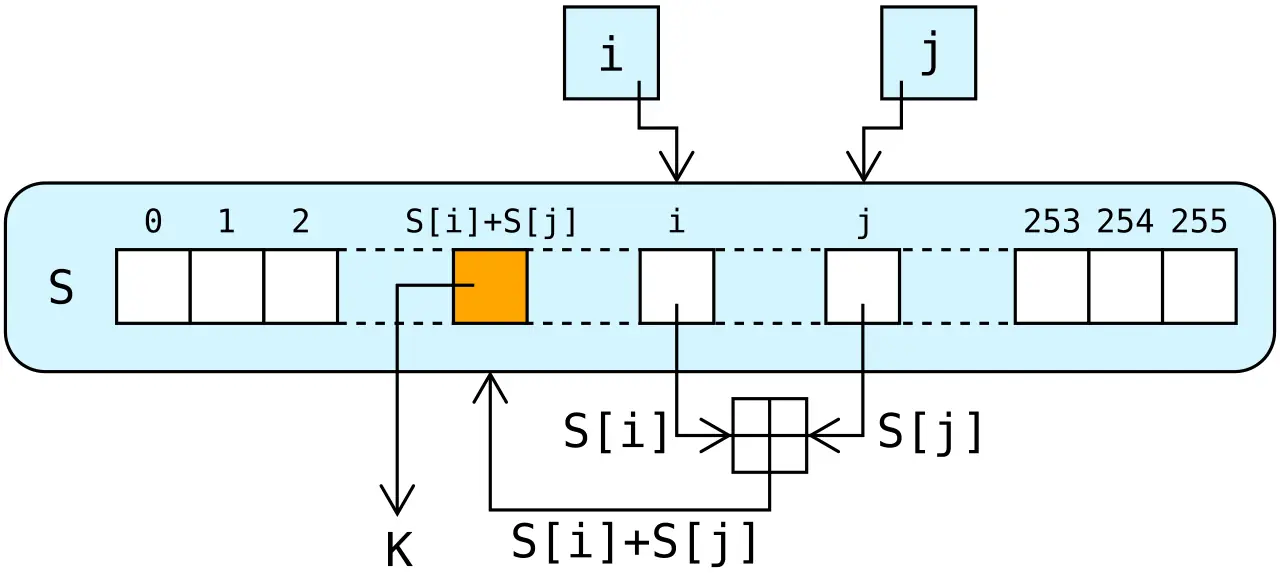
RC4 software stream cipher
Rivest's tiny, fast cipher secures SSL and early Wi-Fi (WEP); discovered weaknesses lead to its ban from TLS in 2015.
Image: Traced by Stannered, original by Matt Crypto · Public domain · Wikimedia Commons - 2008
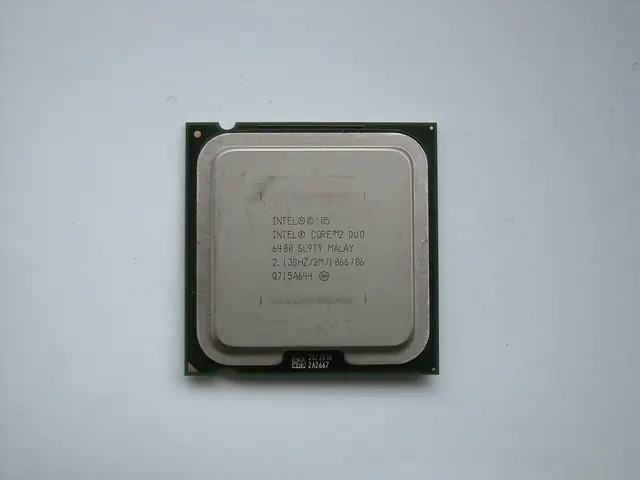
ChaCha20
Bernstein's ChaCha is fast in software and resistant to timing attacks, becoming the main alternative to AES in TLS 1.3 and on phones.
Image: Köf3 · CC BY-SA 3.0 · Wikimedia Commons
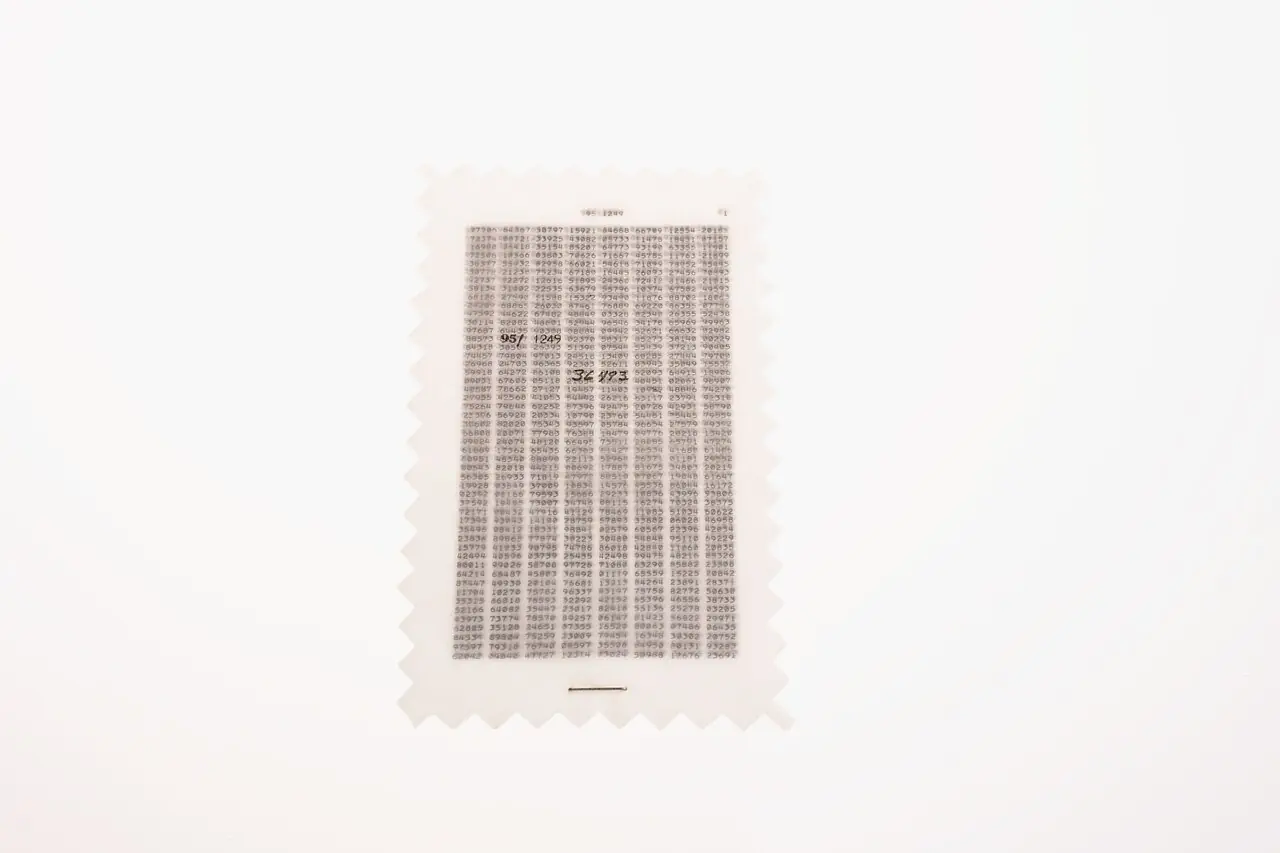


Contested: Banker Frank Miller described a one-time pad for telegrams in 1882, but his idea had no known influence; Vernam's 1917 machine and Mauborgne's random, never-reused key are the versions that were used.