Consumer dry-cell battery (zinc-carbon to alkaline)
Sealed, portable cells made flashlights, radios, toys and early portable electronics possible long before lithium-ion.
- 1866
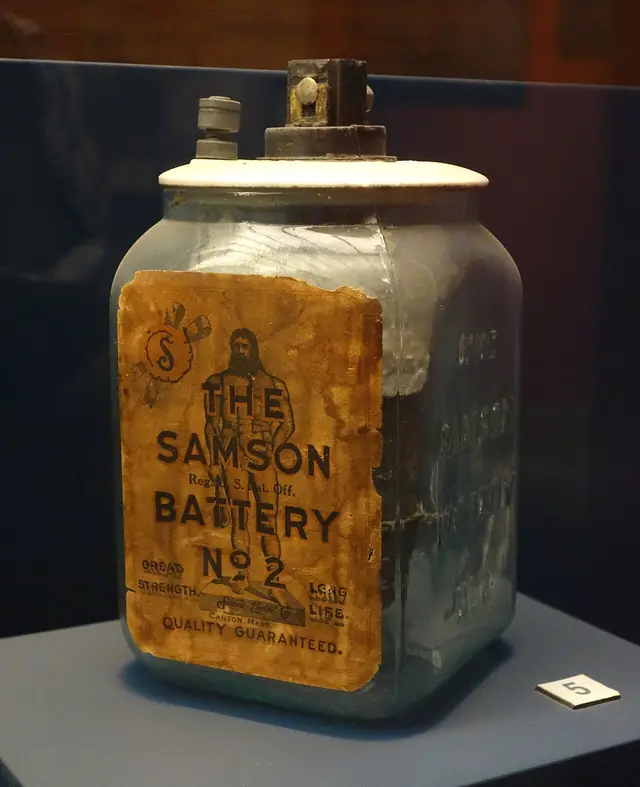
First version
Georges Leclanché (Leclanché cell); Carl Gassner (dry cell); Lewis Urry, Eveready (alkaline)
Image: Crawdad Blues · CC0 · Wikimedia Commons - 1886

Gassner dry cell
Paste electrolyte makes a sealed, spill-proof, portable zinc-carbon cell.
Image: Science Museum Group · CC BY-NC-SA 4.0 · Science Museum Group Collection - 1899

Nickel–cadmium rechargeable
Waldemar Jungner's rechargeable cell; later standard for cordless devices.
Image: Unknown photographer (Tekniska museet archive, TEKA0162693) · Public Domain Mark 1.0 (record metadata… · Tekniska museet via DigitaltMuseum / Europeana … - 1959
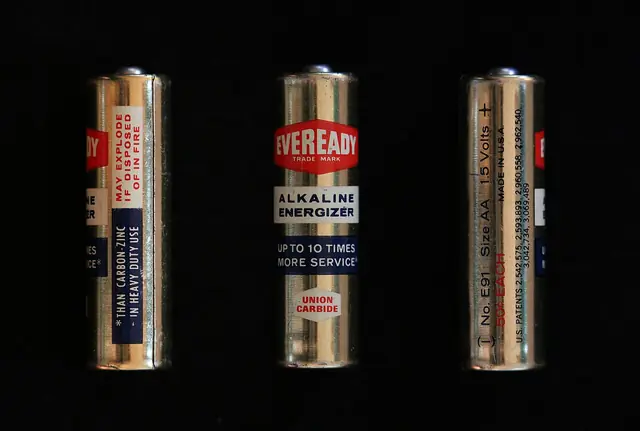
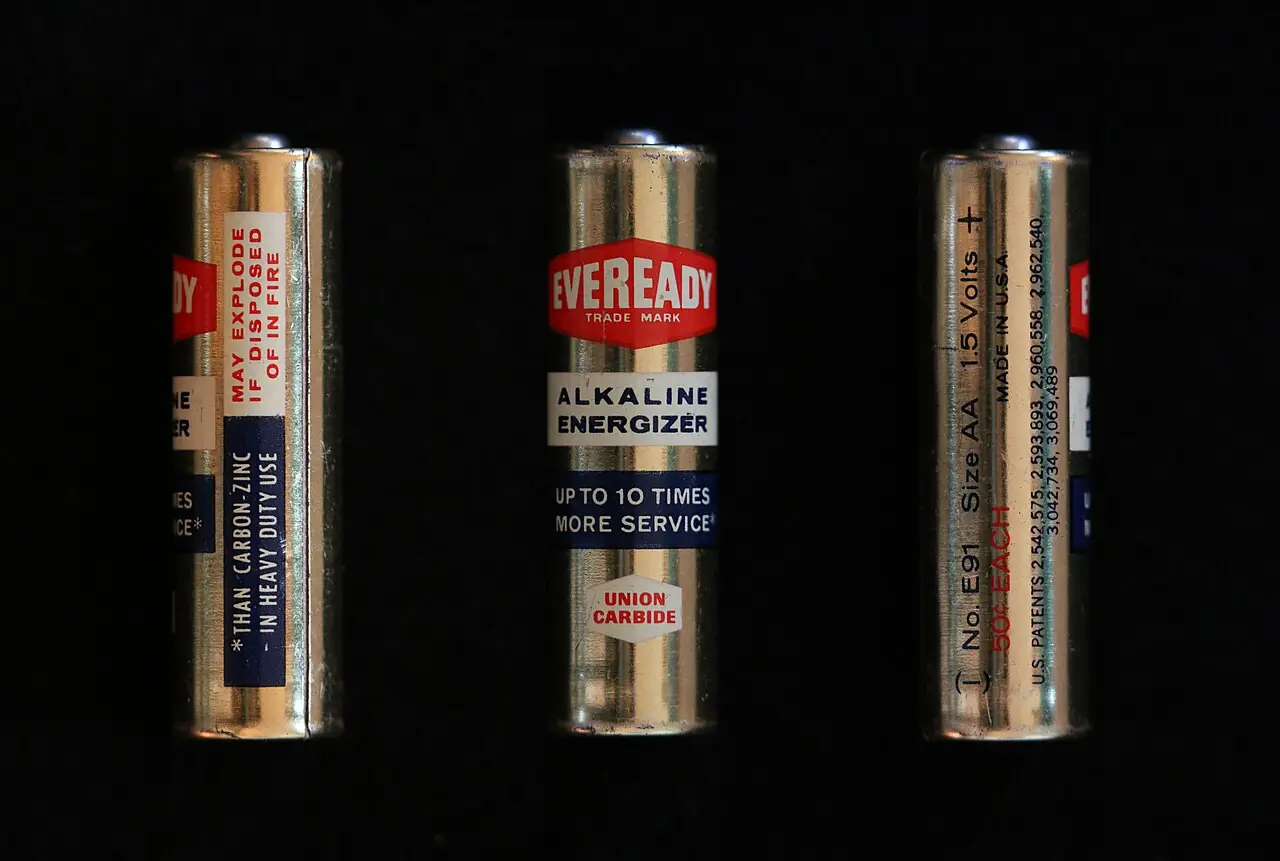
Alkaline battery (Eveready)
Lewis Urry's alkaline cell lasts far longer; powers portable consumer electronics.
Image: LouEstey · CC BY-SA 4.0 · Wikimedia Commons - 1989

Nickel–metal hydride (NiMH) rechargeable
Cadmium-free rechargeable AA/AAA cells hold two to three times the charge of same-size NiCd.
Image: National · Public domain · Wikimedia Commons




Contested: Dry cell usually credited to Carl Gassner (1886), but Frederik Hellesen (1887) and Yai Sakizō (1887) developed dry cells independently.